
If You Care About Good Coffee, It’s Time You Learn the ‘Golden Ratio’
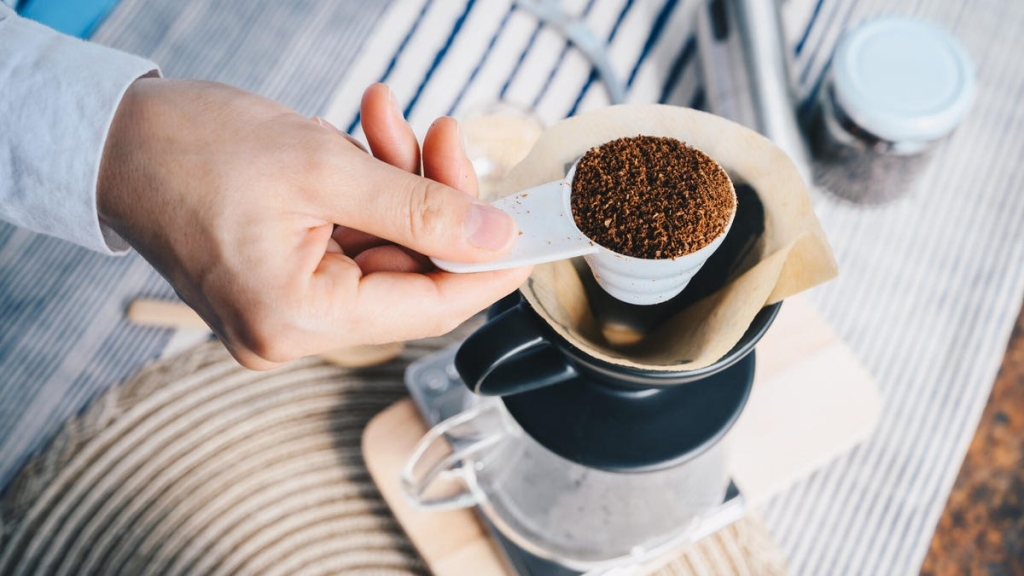
The Golden Ratio: The Secret to Perfect Coffee Every Time
For many of us, mornings are a chaotic blur of rushed decisions and desperate caffeine grabs. That frantic dance around the kitchen, trying to eyeball just the right amount of coffee grounds while the clock mocks you—it’s practically a universal experience. But what if I told you there’s a science-backed method that could transform your morning brew from a gamble to a guaranteed delight?
Enter the “golden ratio”—a precise measurement system that coffee professionals swear by. This isn’t just another kitchen hack; it’s the difference between coffee that makes you wince and coffee that makes you wonder why you ever settled for less.
What Exactly Is the Golden Ratio?
The golden ratio refers to the ideal proportion of water to ground coffee that produces a perfectly balanced cup. According to the Specialty Coffee Association (SCA), the recommended range falls between 15-to-1 and 20-to-1—meaning 15 to 20 parts water for every one part coffee.
“I personally use a 16-to-1 ratio,” says Kaleena Teoh, director of education at Coffee Project New York. “It’s frequently touted as the ideal within that range. It’s nice—not too strong, not too weak—and a great place to start.”
That means if you’re brewing with 30 fluid ounces of water (about a standard 6-cup coffee maker), you’d use approximately 1.9 ounces of coffee grounds. For a 10-cup maker (55 fluid ounces), that jumps to 3.4 ounces of grounds. See the pattern? Precision matters.
Weight Over Volume: Why Your Tablespoon Is Lying to You
Here’s where most home brewers go wrong: the golden ratio is based on weight, not volume. That tablespoon measure you’ve been using? It’s inconsistent at best.
“A tablespoon can hold different amounts depending on whether you’re dealing with fine espresso powder, conventional grounds, or coarse cold brew grounds,” Teoh explains. “Weight measurements eliminate that variability.”
This is why coffee professionals rely on digital scales. While it might seem like overkill for your morning routine, the difference in taste is immediately noticeable. Plus, once you’ve dialed in your preferred ratio, you can replicate it perfectly every single time.
Beyond the Ratio: The Other Factors That Matter
The golden ratio gets you most of the way there, but several other elements influence your final cup:
Grind Size: The Unsung Hero
Different brewing methods demand different grind sizes. French press requires a coarse grind—think sea salt consistency—while pour-over methods benefit from a slightly finer texture than typical pre-ground coffee offers.
“If your grind is too fine for your brewing method, you’ll over-extract and get bitter, astringent flavors,” Teoh warns. “Too coarse, and you’ll under-extract, resulting in sour, acidic coffee.”
Temperature: Not Too Hot, Not Too Cold
Despite what you might think, boiling water isn’t your friend here. The SCA recommends water temperatures between 195°F and 205°F (90.5°C to 96°C).
“The moment water hits coffee, extraction begins,” Teoh notes. “Water that’s too hot extracts bitter compounds; water that’s too cool leaves you with weak, underdeveloped flavors.”
Agitation: The Movement Factor
Agitation—how much the grounds move during brewing—affects extraction concentration. Automatic drip machines provide minimal agitation, while French press and pour-over methods allow for more control.
“This is where manual brewing methods shine,” Teoh says. “You can control how the water interacts with the grounds, which directly impacts flavor.”
Filter Choice: The Final Barrier
Your filter type significantly impacts what ends up in your cup. Metal filters allow oils and fine particles through, creating a fuller-bodied coffee. Paper filters produce a cleaner cup by trapping those elements.
“Neither is objectively better—it’s about preference,” Teoh explains. “Some people love the body that oils provide; others prefer the clarity of a paper-filtered brew.”
Pro Tips from a Coffee Expert
Ready to elevate your coffee game? Here’s what Teoh recommends:
Invest in a Scale
“You don’t need an expensive one,” Teoh insists. “Even a basic digital kitchen scale will dramatically improve your consistency. Everything in professional coffee shops is weighed for a reason.”
If a scale feels like too much, at least find a consistent measurement method you can replicate daily. The goal is repeatability, not perfection.
Source Better Beans
“Fresh beans always taste better,” Teoh states simply. Look for recently roasted beans, check tasting notes, and don’t be afraid to experiment with different roasters and origins.
“Talk to the people at your local coffee shop or roastery,” she suggests. “They can guide you toward beans that match your flavor preferences, whether you like bright and acidic light roasts or rich, chocolatey dark roasts.”
Prioritize the Grinder
“If you’re going to invest in one piece of equipment beyond your brewer, make it a burr grinder,” Teoh emphasizes. “Freshly ground coffee makes a night-and-day difference compared to pre-ground.”
Burr grinders provide consistent particle size, which is crucial for even extraction. Blade grinders chop beans unevenly, leading to both over-extraction and under-extraction in the same brew.
Find Your Convenience Sweet Spot
“The best brewing method is the one you’ll actually use every day,” Teoh advises. “If it’s too complicated, you won’t stick with it.”
Start with what’s comfortable, then experiment. “Pick something you can do consistently, then play with variables until you find what you love.”
The Bottom Line
The golden ratio isn’t about rigid rules—it’s about giving yourself a reliable starting point. From there, you can adjust to your taste preferences. Like it stronger? Try a 15-to-1 ratio. Prefer it milder? Go for 18-to-1.
The beauty of understanding these principles is that you’re no longer guessing. You’re brewing with intention, which means fewer disappointing cups and more mornings that start exactly the way you want them to.
So the next time you’re tempted to eyeball your coffee measurements, remember: your future self, sipping that perfectly balanced cup, will thank you for taking the extra 30 seconds to measure properly.
Tags & Viral Phrases:
- golden ratio coffee
- perfect coffee ratio
- coffee brewing science
- specialty coffee association
- coffee to water ratio
- how to make perfect coffee
- coffee expert tips
- coffee brewing methods
- best coffee grinder
- coffee scale importance
- coffee extraction explained
- morning coffee routine
- coffee brewing basics
- how to brew better coffee
- coffee nerd tips
- coffee measurement guide
- coffee brewing temperature
- grind size coffee
- coffee filter types
- coffee agitation
- coffee consistency
- coffee bean freshness
- burr grinder benefits
- coffee brewing equipment
- coffee brewing ratios
- coffee brewing fundamentals
- coffee brewing perfection
- coffee brewing mastery
- coffee brewing secrets
- coffee brewing techniques
,


Leave a Reply
Want to join the discussion?Feel free to contribute!