
Iguanas Drop From Florida’s Trees as Record Cold Blasts Southern US : ScienceAlert
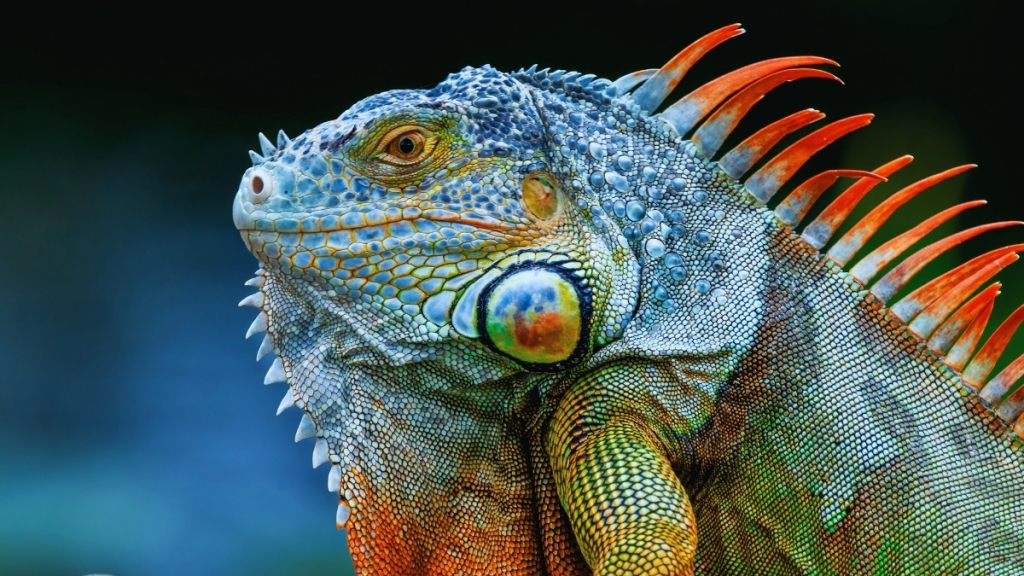
Iguanas Fall from Florida Trees as Historic Arctic Blast Grips Southern U.S.
In a surreal and startling scene that captured global attention, Florida’s typically balmy landscape became the stage for an unexpected spectacle: iguanas plummeting from trees as a brutal Arctic blast swept across the southern United States, bringing with it record-breaking snowfall, icy chaos, and a cascade of environmental oddities.
The storm, which began over the weekend, unleashed nearly half a meter of snow in parts of North Carolina—a state unaccustomed to such wintry extremes. The city of Lexington recorded an astonishing 16 inches (40 centimeters) of snow, while the Walnut Mountains’ Faust area saw an even more staggering 22 inches (56 centimeters). These figures are almost unheard of for a region where snow is typically limited to the highest elevations.
North Carolina Governor Josh Stein reported over 1,000 road collisions and two fatalities as icy conditions turned highways into treacherous paths. In a public safety plea, the governor urged residents to remain indoors and avoid travel unless absolutely necessary. He also warned citizens to be vigilant for symptoms of frostbite, a stark reminder of the dangers posed by such extreme cold.
The storm’s timing was particularly cruel, coming just a week after a catastrophic weather system claimed more than 100 lives across a wide swath of the United States. Communities were still digging out from under mountains of snow and ice when this new system struck, compounding the misery and logistical challenges.
While Florida avoided the heavy snowfall that buried the Carolinas, Georgia, Tennessee, Kentucky, and southern Virginia, it was not spared from the cold’s effects. Orlando saw temperatures plummet to 24 °F (-4 °C), the lowest February reading since at least 1923. For a state where winter temperatures typically hover between 12 °C and 23 °C, this was a shocking departure from the norm.
The most bizarre and viral consequence of the cold snap was the phenomenon of “raining iguanas.” Florida’s native news station, WPLG 10, reported that cold-blooded iguanas were tumbling from trees in alarming numbers as temperatures dropped below their tolerance threshold. These reptiles, unable to regulate their body heat in such frigid conditions, become immobilized and fall from their perches.
Social media exploded with videos of the stunned creatures littering sidewalks and lawns, their bodies stiff and unresponsive. Jessica Kilgore, who operates a service called Iguana Solutions specializing in the removal of invasive species, told WPLG 10 that she had collected hundreds of pounds of iguanas—both alive and dead—during the cold snap. The Florida Fish and Wildlife Conservation Commission even issued an executive order allowing residents to transport the reptiles to commission offices, a move aimed at managing the unusual influx.
The National Weather Service predicted that while heavy snowfall in the Carolinas would taper off by Sunday, high winds would continue to wreak havoc along the East Coast as an intense cyclone moved out to sea. In North Carolina’s Outer Banks, a fragile ribbon of barrier islands, ocean overwash caused by high tides and fierce winds threatened to close highways for an extended period, isolating communities and complicating recovery efforts.
The storm’s impact on air travel was severe. Charlotte Douglas International Airport, a major hub for American Airlines, saw over 800 flight cancellations on Sunday alone, according to FlightAware data. Power outages compounded the crisis, with approximately 158,000 customers still without electricity on Sunday, primarily in southern states. Mississippi, Tennessee, Florida, and Louisiana were among the hardest hit, leaving residents to endure the cold without heat or light.
This extreme weather event underscores the growing unpredictability of climate patterns and the far-reaching consequences of such anomalies. From iguanas falling like frozen fruit to highways buried under unprecedented snow, the storm served as a stark reminder of nature’s power and the vulnerability of even the most prepared communities.
As the southern United States begins to recover, the images of stunned iguanas and snowbound streets will linger—a surreal testament to a winter that defied expectations and left an indelible mark on the region.
Tags & Viral Phrases:
Iguanas falling from trees, raining iguanas, Florida cold snap, Arctic blast, record snowfall in the Carolinas, North Carolina snow chaos, winter storm 2026, extreme weather US, iguanas stunned by cold, Florida Fish and Wildlife, National Weather Service cyclone, Charlotte Douglas flight cancellations, power outages southern US, Governor Josh Stein warning, frostbite symptoms, winter storm aftermath, climate anomalies, southern US winter chaos, iguana removal Florida, ocean overwash Outer Banks, southern states winter emergency.
,

Leave a Reply
Want to join the discussion?Feel free to contribute!