
‘I’m tired of that narrative’: Seattle VC pushes back on tech exodus talk
Seattle’s Tech Future: A Closer Look at the Tax Debate and Innovation Momentum
Seattle’s tech ecosystem is facing a critical juncture as state lawmakers consider new tax proposals that have sparked intense debate among industry leaders. Jacob Colker, managing director at the AI2 Incubator, has emerged as a prominent voice pushing back against what he calls a “breathless narrative” suggesting Seattle’s innovation economy is on the brink of collapse.
The controversy centers on several proposed tax measures, including legislation targeting startup exits and the so-called “millionaire’s tax.” These proposals have ignited fierce discussions about Washington’s economic future and whether increased taxation could drive away the very talent and investment that have made the region a tech powerhouse.
The Case for Seattle’s Resilience
Colker’s LinkedIn post Thursday argued forcefully that Seattle’s tech ecosystem remains fundamentally strong, despite the political uncertainty. He emphasized that a few percentage points of capital gains tax don’t outweigh the region’s considerable advantages: a deep bench of AI talent, substantial investment dollars, leadership in space technology, promising fusion startups, biotech momentum, and an exceptional quality of life.
“The math doesn’t math,” Colker wrote, suggesting that critics are overstating the potential impact of tax changes. He acknowledged the need for thoughtful tax policy but rejected the notion that Seattle is “one bill from collapse.”
This perspective resonates with many in the local tech community who have witnessed Seattle’s evolution over decades. Robert Pease, managing partner at Cascade Seed Fund, noted that similar concerns emerged when he moved to Seattle over 20 years ago, yet the ecosystem has continued to strengthen. “Since then, hard to count how many multi-billion $ companies have been built and the pre-seed/early stage investment capital scene is SO much better. Bullish on Seattle,” he commented.
The Counterargument: Real Financial Impact
However, not everyone shares Colker’s optimism about the tax proposals’ impact. Aaron Bird, CEO at Inflection.io, provided a more personal perspective, explaining that Washington’s potential shift away from its constitutional guarantee of no income tax was a key factor in his decision to move from California to Seattle. “This change in policy is also why I will leave,” Bird stated. “Taking 20% of my stock is real and it’s a reason to leave.”
Brian Glaister, an executive at Axon, took a more measured approach, suggesting that concerns about Seattle’s tech future have been circulating for years without materializing into actual decline. “Been reading the same slop since I moved here 20 years ago… The ecosystem keeps getting better and I’m not leaving either,” he wrote.
AI2 Incubator’s Strategic Position
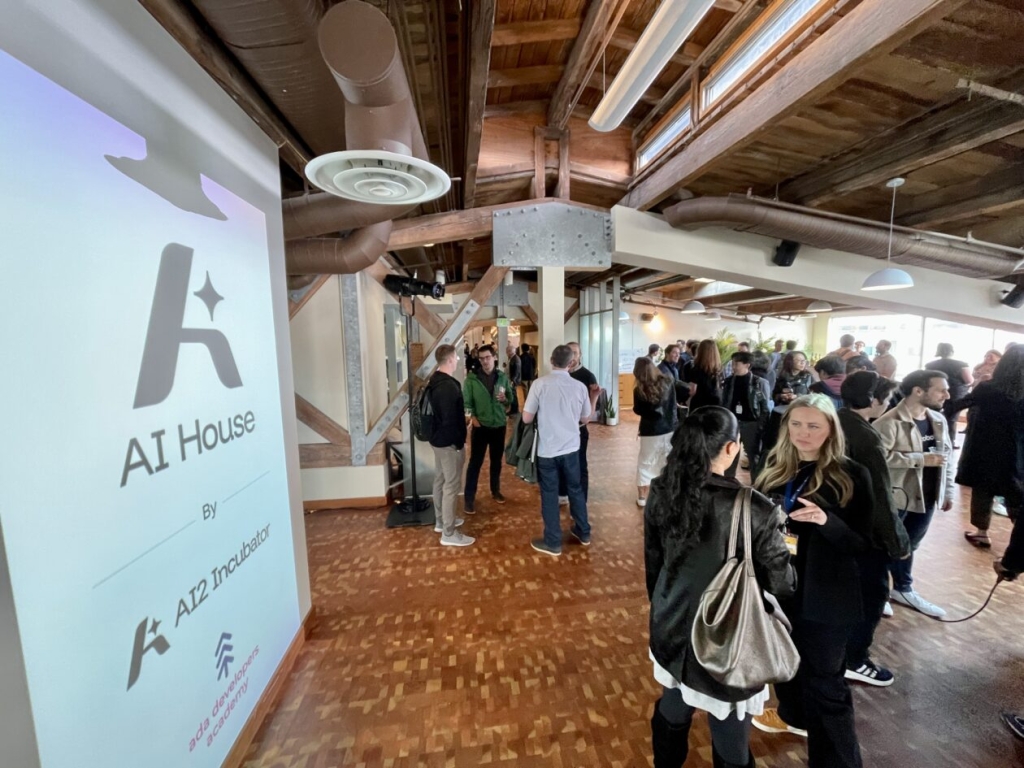
The debate unfolds against the backdrop of significant activity from AI2 Incubator, one of Seattle’s most prominent early-stage startup investors. The organization recently launched an $80 million fund in October and operates AI House, a startup hub that opened last year along Seattle’s waterfront. This facility serves as AI2 Incubator’s headquarters while also providing event space and co-working offices for the broader tech community.
AI House represents a substantial investment in Seattle’s innovation infrastructure, suggesting confidence in the region’s long-term prospects despite the tax uncertainty. The facility’s opening was part of a broader wave of new startup hubs that have supercharged Seattle’s tech scene just in time for the AI boom.
The Broader Context: Competition with San Francisco
The tax debate occurs as some founders are already relocating to San Francisco, drawn by the concentration of AI activity and venture capital in the Bay Area. This migration pattern has added urgency to discussions about how Washington can remain competitive in attracting and retaining tech talent and companies.
Kirby Winfield, founder at Ascend, captured the nuanced reality many acknowledge: “Love this. Two things can be true at the same time!” This sentiment reflects the complexity of the situation, where Seattle’s fundamental strengths coexist with legitimate concerns about policy changes.
Looking Forward
Colker concluded his post with a clear statement of his position: “Seattle isn’t perfect. No city is. But the sky isn’t falling. And I’m proud to triple down on this region — taxes or not.”
This declaration of commitment, even in the face of potential tax increases, underscores the deep connection many tech leaders feel to Seattle’s unique combination of natural beauty, intellectual capital, and entrepreneurial spirit.
The ongoing debate highlights the delicate balance policymakers must strike between generating revenue for public services and maintaining an environment conducive to innovation and economic growth. As Washington continues to grapple with these questions, the tech community remains watchful, weighing the region’s undeniable strengths against the potential impact of policy changes.
What’s clear is that Seattle’s tech ecosystem has weathered challenges before and emerged stronger. Whether it can navigate this current period of uncertainty while maintaining its competitive edge remains an open question that will shape the region’s economic future for years to come.
tags
SeattleTech #InnovationEconomy #TaxPolicy #AI2Incubator #StartupEcosystem #WashingtonState #TechDebate #CapitalGainsTax #MillionairesTax #TechMigration #BayAreaVsSeattle #StartupInvestment #TechLeadership #EconomicPolicy #InnovationHub #TechCommunity #PolicyImpact #RegionalCompetition #TechFuture #InvestmentClimate
viral_sentences
Seattle’s tech leaders push back against ‘sky is falling’ narrative
AI2 Incubator director says Seattle one bill from collapse is ‘not serious analysis’
Washington millionaire’s tax sparks fierce debate among startup founders
Seattle vs San Francisco: The great AI talent migration continues
Tech leaders weigh leaving Seattle over proposed capital gains tax
$80 million fund launched as AI House opens along Seattle waterfront
20-year tech veteran says ‘same slop’ about Seattle’s decline keeps circulating
Founders debate real impact of 20% tax on startup stock options
Seattle’s biotech momentum and space leadership cited as competitive advantages
Quality of life vs tax policy: The Seattle tech dilemma
AI boom intensifies competition between Seattle and Bay Area ecosystems
Washington considers ‘extinction-level event’ tax proposals for startups
Seattle tech leaders rally against new capital gains tax legislation
Debate rages over whether millionaire’s tax threatens startup economy
Founders share personal stories of why they’re leaving or staying in Seattle
AI2 Incubator triples down on Seattle despite tax uncertainty
Seattle’s deep bench of AI talent remains a key competitive advantage
New startup hubs supercharge Seattle’s tech scene just in time for AI boom
Washington’s constitutional guarantee of no income tax faces challenge
Tech ecosystem keeps getting better says 20-year Seattle resident
Founders weigh stock option taxation against Seattle’s natural beauty
Seattle’s fusion startups and biotech momentum cited as future growth drivers
Policy changes could reshape Pacific Northwest’s innovation landscape
Tech leaders demand thoughtful tax policy tied to better spending stewardship
,


Leave a Reply
Want to join the discussion?Feel free to contribute!