
Immune Cells Do Something Unexpected to Stop This Brain Parasite From Spreading : ScienceAlert
A New Study Reveals How Brain Immune Cells Commit Suicide to Stop a Deadly Parasite
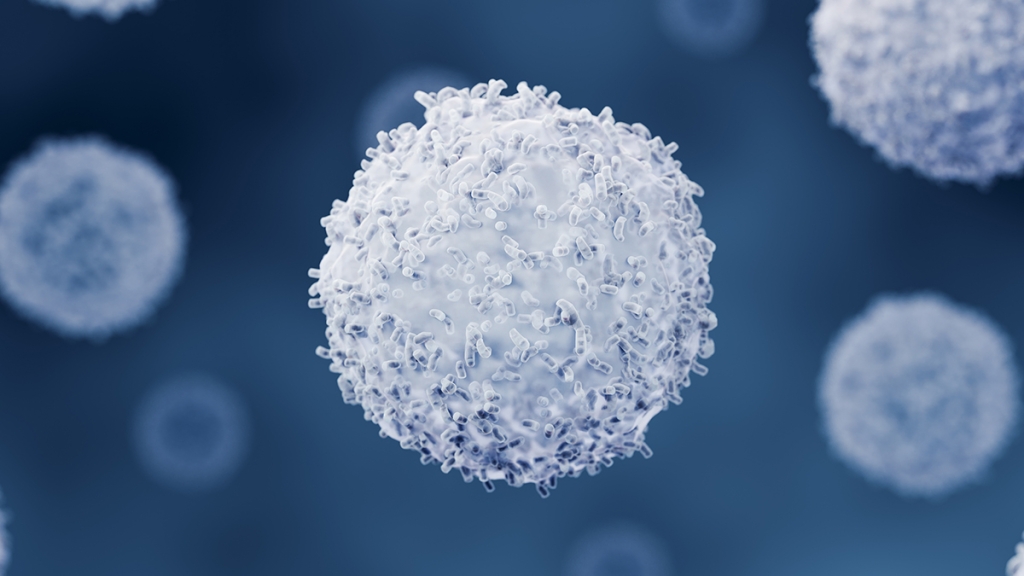
In a remarkable discovery that reads like a biological thriller, scientists have uncovered how brain immune cells sacrifice themselves to prevent the spread of a dangerous parasite. Researchers at the University of Virginia have identified an extreme but highly effective defense mechanism where crucial immune cells called T cells trigger their own programmed death when infected with Toxoplasma gondii, effectively containing the parasite’s spread.
“We know that T cells are really important for combating Toxoplasma gondii, and we thought we knew all the reasons why,” explains neuroscientist Tajie Harris. “T cells can destroy infected cells or cue other cells to destroy the parasite. We found that these very T cells can get infected, and, if they do, they can opt to die. Toxoplasma parasites need to live inside cells, so the host cell dying is game over for the parasite.”
The research reveals a sophisticated biological arms race. T. gondii typically establishes itself inside neurons, but the scientists discovered the parasite may use T cells as a Trojan horse to spread further through the brain. When infected, these immune cells take the ultimate defensive action—self-destruction.
The study identified a crucial enzyme called caspase-8 as the trigger for this self-destruct sequence. While caspase-8 was already known to be important for cell death and immune function, its specific role in CD8+ T cells fighting T. gondii infection was previously unknown.
To prove caspase-8’s importance, the researchers engineered mice lacking this enzyme in various brain and immune cells. The results were striking: T. gondii infections spread extensively to the brains of mice only when their CD8+ T cells lacked caspase-8. This occurred despite all mice mounting strong immune responses—their bodies were fighting hard, but some lacked this critical defensive mechanism.
The findings have broader implications beyond toxoplasmosis. The researchers note that T. gondii rarely attempts this T cell hijacking strategy, possibly because of the caspase-8 mediated self-destruct mechanism. For pathogens to successfully use this strategy, they must somehow interfere with caspase-8 function.
“Toxoplasma can infect all warm-blooded animals and is fatal in some cases,” Harris notes. “Prior to our study, we had no idea that caspase-8 was so important for protecting the brain from Toxoplasma. Now, we think we know why. Caspase-8 leads to T cell death. The only pathogens that can live in CD8+ T cells have developed ways to mess with Caspase-8 function.”
The parasite is commonly transmitted to humans through contact with cats or by consuming undercooked meat and contaminated food. Remarkably, T. gondii can remain dormant in human brains without causing symptoms—up to 40 million people in the United States alone are estimated to carry the parasite. Most people never know they’re infected and recover without intervention, which this study helps explain.
However, toxoplasmosis can pose serious risks for pregnant women and immunocompromised individuals, such as those undergoing chemotherapy. The new understanding of how the immune system naturally contains this parasite could lead to improved treatments for those at risk.
“Understanding how the immune system fights Toxoplasma is important for several reasons,” Harris emphasizes. “People with compromised immune systems are vulnerable to this infection, and now we have a better understanding of why and how we can help patients fight this infection.”
This groundbreaking research, published in Science Advances, not only advances our understanding of toxoplasmosis but also provides new insights into CD8+ T cell function in immune responses, potentially opening doors to discoveries about other infections and diseases.
brain immune cells, programmed cell death, Toxoplasma gondii, T cells, caspase-8, neuroscience, immune system, parasite infection, CD8+ T cells, cell suicide, University of Virginia, toxoplasmosis, brain defense, pathogen spread, Trojan horse strategy, neuroscience breakthrough, immune response, cell death mechanism, brain parasites, medical research, viral infection, biological defense, self-destruct mechanism, neuroscience discovery, immune cell sacrifice,


Leave a Reply
Want to join the discussion?Feel free to contribute!