
In defense of Deus Ex: Invisible War
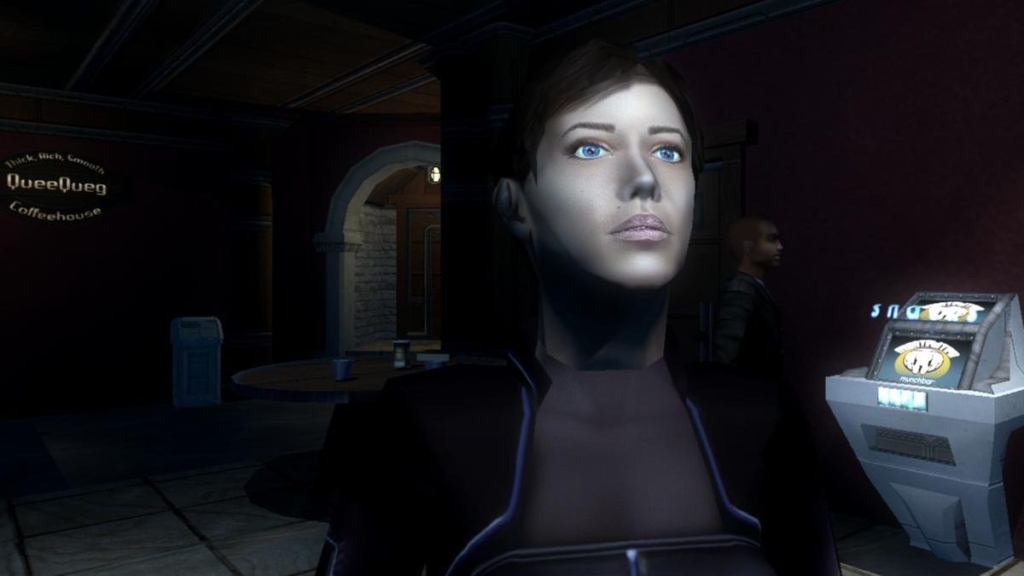
Deus Ex: Invisible War – The Underrated Cyberpunk Gem That Deserves a Second Look
The Controversial Sequel That Split the Gaming Community
When Deus Ex: Invisible War launched in 2003, it arrived under a cloud of technical limitations and design compromises that would haunt it for decades. The game’s creators themselves have since disowned it, citing the disastrous decision to port their ambitious RPG-shooter hybrid to consoles using an engine built for stealth games. Loading screens became a constant frustration, universal ammo mechanics frustrated purists, and the streamlined gameplay felt like a betrayal to fans of the original’s deep PC-centric design.
But here’s the uncomfortable truth: much of the hatred directed at Invisible War is disproportionate to its actual quality. While it’s undeniable that the game suffered from rushed development and technical constraints, beneath those rough edges lies a fascinating, morally complex experience that still feels ahead of its time.
A Game About Choosing Sides (And Then Switching Them)
At its core, Invisible War is a masterclass in player agency. The game presents you with multiple factions—the WTO’s authoritarian surveillance state versus the Order’s global religious cult—and then gives you the freedom to navigate between them like a diplomatic tightrope walker. This isn’t just about picking a side and sticking with it; it’s about playing all sides against each other, gathering information, and making decisions based on incomplete information.
The game’s philosophy of freedom extends to every aspect of gameplay. When NPCs offer you missions, you’re rarely given a simple yes-or-no choice. Instead, each objective becomes a possibility you can pursue, ignore, or actively sabotage. Want to accept an assassination contract, then show up at the target’s location, explain the situation, and demand a better offer? Go right ahead. The game actively encourages this kind of moral flexibility and strategic thinking.
The Coffee Wars: When Corporate Espionage Gets Personal
One of Invisible War’s most brilliant touches is how it scales its conflicts. Sure, you’re dealing with global conspiracies and world-altering decisions, but you’re also navigating the petty rivalries of everyday people. The ongoing dispute between Pequod’s Coffee and Queequeg’s Coffee (both Moby-Dick references, just like Starbucks) provides some of the game’s most memorable moments.
These coffee chains aren’t just fighting over market share—their employees have bought into the corporate mythology so completely that they view their preferred brand as a core part of their identity. You’ll find yourself sabotaging rival coffee shops, engaging in industrial espionage, and even firebombing locations, all while the managers passionately defend their “lifestyle choice” of caffeinated beverage. It’s a brilliant commentary on consumer culture that feels even more relevant today than it did in 2003.
NG Resonance: The AI That Knows Too Much
Perhaps the most prescient element of Invisible War is its treatment of NG Resonance, an AI construct based on a pop star’s likeness. Installed in nightclubs as a holographic chatbot, NG appears to be just another piece of entertainment—until you realize she’s actually a sophisticated intelligence-gathering tool.
Fans line up to share their deepest secrets with her, believing they’re having a personal conversation with their favorite celebrity. Meanwhile, the AI harvests every scrap of data, building profiles on individuals and businesses alike. The game doesn’t beat you over the head with this commentary on privacy and surveillance—it simply presents it as the logical extension of our current trajectory with social media and data collection.
Why It Still Holds Up Today
With the Visible Upgrade mod installed to address the original’s technical shortcomings, Invisible War transforms from a frustrating experience into a genuinely compelling one. The mod eliminates many of the loading screen issues, improves performance, and adds support for modern resolutions, allowing players to experience the game as it was meant to be played.
The core gameplay remains satisfying: ventcrawling, stealth mechanics, cybernetic enhancements, and multiple approaches to every objective. The atmospheric soundtrack and cyberpunk aesthetic create an immersive world that still feels fresh. Even the main menu theme is an absolute banger that deserves more recognition.
The Bottom Line
Deus Ex: Invisible War isn’t perfect—far from it. But it’s also not the unplayable disaster that internet consensus would have you believe. It’s a game that was ahead of its time in many ways, offering moral complexity, player freedom, and social commentary that many modern games still struggle to match.
If you’ve written it off based on reputation alone, it’s time to give it another chance. With modern enhancements and a bit of patience, you might find that Invisible War offers a gaming experience that’s more relevant, more interesting, and more enjoyable than even its own creators gave it credit for.
Tags & Viral Phrases:
DeusEx #InvisibleWar #Cyberpunk #RPG #GamingHistory #UnderratedGames #GameDesign #PlayerChoice #MoralComplexity #AICommentary #CoffeeWars #NGResonance #GamingControversy #VisibleUpgrade #RetroGaming #GameMods #FactionWarfare #DataPrivacy #CorporateEspionage #GamingComeback #GameRedemption #CyberpunkRevival #GamingPhilosophy #PlayerAgency #GameLegacy #GamingCulture #TechEvolution #GamingCommunity #GameCriticism #GamingInnovation
,

Leave a Reply
Want to join the discussion?Feel free to contribute!