
Indian pharmacy chain giant exposed customer data and internal systems
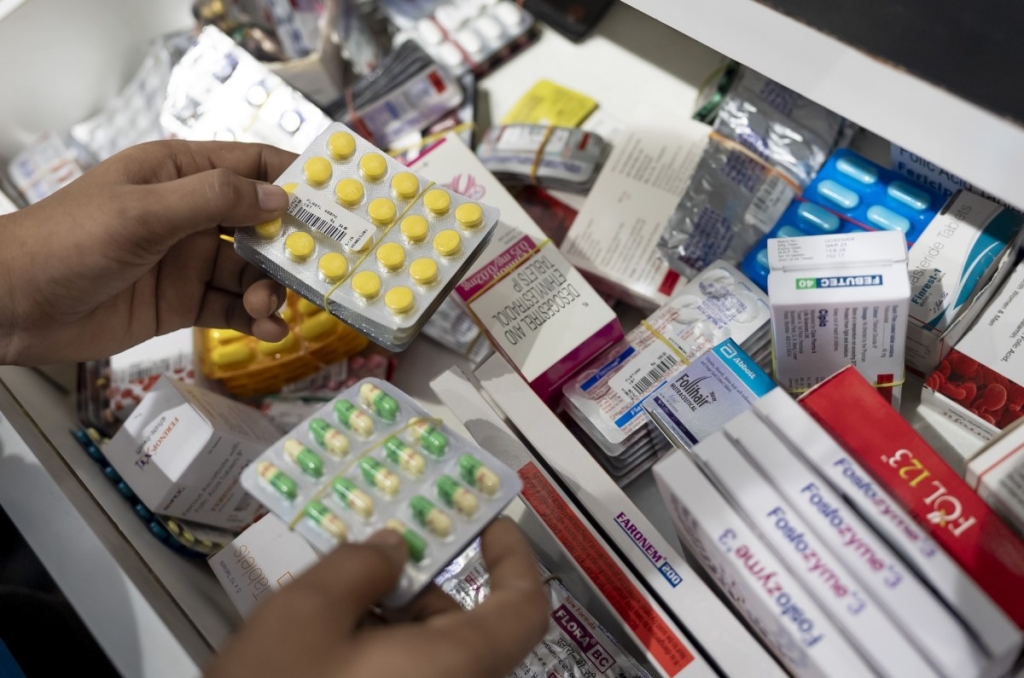
Massive Security Breach Exposes Thousands of Customer Orders at India’s Fastest-Growing Pharmacy Chain
In a shocking revelation that underscores the growing cybersecurity risks in India’s booming e-commerce sector, a major security lapse at one of the country’s largest pharmacy chains has exposed sensitive customer data and granted unauthorized users full administrative control over critical operations. The incident, which has sent ripples through the healthcare and tech industries alike, highlights the urgent need for robust digital safeguards as businesses rapidly expand their online presence.
The vulnerability was discovered in the systems of DavaIndia Pharmacy, the retail powerhouse under Zota Healthcare, a Gujarat-based conglomerate that has been aggressively expanding its footprint across India. With over 2,300 stores already operational and plans to add 1,200 to 1,500 more within the next two years, DavaIndia represents one of the fastest-growing pharmacy networks in the country. However, this rapid expansion appears to have come at the cost of digital security.
Security researcher Eaton Zveare uncovered the flaw after identifying insecure “super admin” application programming interfaces (APIs) on DavaIndia’s website. These exposed interfaces allowed unauthenticated users to create accounts with the highest level of administrative privileges—essentially handing over the keys to the kingdom to anyone who knew where to look. The vulnerability, which had been live since late 2024, granted access to nearly 17,000 online orders and administrative controls spanning 883 stores.
The implications of this breach are staggering. With super admin access, an attacker could view detailed customer information including names, phone numbers, email addresses, mailing addresses, payment amounts, and—most concerning—the specific medications and health products purchased. In the context of a pharmacy, this data is exceptionally sensitive, potentially revealing private health conditions, chronic illnesses, or even embarrassing medical purchases that customers would never want exposed.
Beyond simple data exposure, the vulnerability allowed for complete manipulation of the platform’s operations. Attackers could modify product listings and prices, create discount coupons, and—perhaps most alarmingly—change settings that determine whether certain medications require a prescription. This last capability poses serious public health risks, as it could theoretically allow controlled substances to be dispensed without proper medical oversight.
Zveare reported the vulnerability to CERT-In, India’s national cyber emergency response team, in August 2025. While the technical fix was implemented within weeks, the company’s formal acknowledgment to authorities didn’t come until late November, raising questions about their incident response procedures and transparency.
The timing of this breach is particularly concerning given Zota Healthcare’s aggressive expansion strategy. The company recently announced the addition of 276 new DavaIndia stores in January alone, as part of their ambitious growth plans. This rapid scaling, while impressive from a business perspective, appears to have stretched their cybersecurity capabilities to the breaking point.
What makes this incident especially troubling is the nature of the exposed data. Unlike typical e-commerce breaches involving clothing or electronics purchases, pharmacy data carries unique privacy implications. Customers trust pharmacies with some of their most personal information, often seeking treatment for sensitive health conditions they may not discuss openly. The exposure of such data—even without evidence of actual misuse—represents a significant violation of that trust and carries potential long-term consequences for affected individuals.
The vulnerability also allowed for website defacement and content manipulation, meaning attackers could have potentially altered the platform’s public-facing content to spread misinformation, create panic, or damage the company’s reputation. Given the healthcare context, such manipulations could have had serious real-world consequences beyond mere embarrassment.
Despite multiple attempts by TechCrunch to reach Sujit Paul, the CEO of Zota Healthcare, for comment, no response was received. This silence from leadership adds another layer of concern, suggesting either a lack of preparedness for handling such incidents or an attempt to minimize public attention to the breach.
Fortunately, there’s no evidence that the vulnerability was exploited before being patched, according to Zveare. However, the mere existence of such a critical flaw in a healthcare platform serving millions of Indians raises serious questions about the state of cybersecurity in the country’s rapidly digitizing healthcare sector.
This incident serves as a wake-up call not just for DavaIndia and Zota Healthcare, but for the entire Indian e-commerce and healthcare technology ecosystem. As more traditional businesses rush to establish their digital presence, the importance of building security into these platforms from the ground up cannot be overstated. The potential consequences of failing to do so extend far beyond financial losses—they can directly impact public health and safety.
The DavaIndia breach also highlights the critical role of independent security researchers like Zveare in identifying and responsibly disclosing vulnerabilities before they can be exploited by malicious actors. Their work often serves as the last line of defense against preventable data breaches and system compromises.
As India continues its digital transformation journey, incidents like this underscore the need for stronger regulatory oversight, mandatory security audits, and perhaps most importantly, a cultural shift within organizations to prioritize cybersecurity as a fundamental business requirement rather than an afterthought.
The coming months will likely reveal whether Zota Healthcare takes meaningful steps to rebuild trust and strengthen their security posture, or whether this incident becomes just another entry in the growing list of preventable cybersecurity failures in India’s digital economy.
tags
CybersecurityBreach #PharmacyHack #DataExposure #HealthcareSecurity #IndianTech #DigitalPrivacy #APIvulnerability #SuperAdminAccess #ZotaHealthcare #DavaIndia #CERTIn #EatonZveare #PharmacyDataLeak #OnlineSecurity #HealthcareTech #DigitalTransformation #CyberRisk #DataProtection #PharmacyChain #IndianEcommerce #SecurityResearcher #HealthcarePrivacy #TechVulnerability #DigitalSafety #PharmacyNetwork
viral_sentences
17,000 customer orders exposed
Full admin control granted to hackers
Prescription requirements could be bypassed
Company expanding 1,500 new stores
CEO didn’t respond to inquiries
Vulnerability live since late 2024
Sensitive health data at risk
Website content could be defaced
Independent researcher discovered flaw
No evidence of exploitation
Rapid expansion compromised security
Pharmacy data more sensitive than regular e-commerce
Attackers could change medication pricing
Customer addresses and phone numbers exposed
Healthcare trust violated
Digital transformation security risks
Cybersecurity wake-up call for India
Critical flaw in major pharmacy chain
Security researcher saved the day
Public health implications
,

Leave a Reply
Want to join the discussion?Feel free to contribute!