
‘Industry’ season 4 captures tech fraud better than any show on TV right now
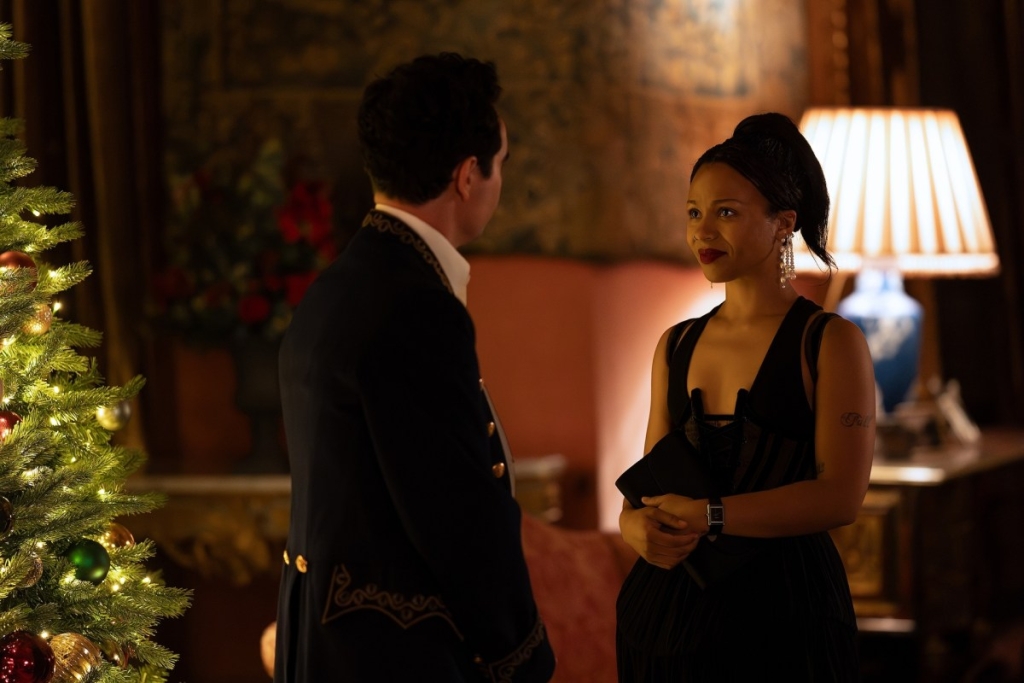
HBO’s “Industry” Delivers a Fintech Fraud Thriller That Hits Too Close to Home
HBO’s razor-sharp financial drama “Industry” has once again proven why it’s the most uncomfortably accurate portrayal of modern capitalism on television. This season’s central storyline—a high-stakes hunt to expose a fraudulent fintech company called Tender—reads like a Silicon Valley cautionary tale ripped from tomorrow’s headlines.
The Setup: A Short Seller’s Paradise
Harper Stern, the show’s calculating antihero, has finally launched her own investment firm after feeling sidelined at her previous firm (and dealing with accusations of being a “DEI plant”—a pointed jab at the current political climate). Her mission? Find a company on the brink of collapse and bet against it. Enter Tender, a fintech company that smells fishier than a Pike Place Market dumpster.
When a journalist tips Harper off that something’s rotten in the state of Tender, she dispatches her team—Sweetpea and Kwabena—to Ghana to investigate. What they uncover would make even the most jaded venture capitalist’s blood run cold: “Fake users drive fake revenue drives fake cash,” Sweetpea reports. “The thing is nothing.”
Why This Storyline Feels So Damn Real
What makes this season of “Industry” particularly compelling is how it mirrors our current tech landscape. Tender began as a payment processor for adult content, navigating the real-world implications of the UK’s Online Safety Bill—legislation that has forced age verification and other regulatory hurdles onto adult content platforms. The company now faces the classic startup ultimatum: pivot or perish.
Enter Whitney, Tender’s CFO-turned-visionary leader who embodies every Silicon Valley stereotype in the book. He’s lobbying politicians for a banking license, hunting for merger opportunities, and dreaming of transforming Tender into a full-fledged bank. He’s the personification of “move fast and break things,” except what he’s breaking might be the entire financial system.
The Human Drama: Pride, Prejudice, and Silicon Valley
The personal stakes are just as high as the financial ones. Harper finds herself at odds with her friend Yasmin, who’s married to Tender’s CEO Henry and is crafting the company’s PR and lobbying strategy. It’s a collision of loyalties that would make Jane Austen proud—if Austen wrote about fintech fraud and had a serious cocaine habit.
Meanwhile, Yasmin’s descent into hedonism has critics drawing uncomfortable comparisons to Ghislaine Maxwell. Her orchestration of a threesome between her husband and Whitney’s assistant Hayley is just the beginning of a spiral that suggests power and money can corrupt even those who think they’re immune.
The Tech World Accuracy Is Almost Uncomfortable
“Industry” doesn’t just get the financial mechanics right—it nails the tech world’s culture with unsettling precision. The show even name-checks TechCrunch as part of Tender’s media strategy, a detail that had industry insiders choking on their oat milk lattes.
The show also tackles the rise of “technofascism” through the character of Moritz, who lobbies against Western liberalism and hesitates to sell his family’s bank to Whitney Halberstram—a name that sounds suspiciously Jewish and has sparked speculation about the show’s commentary on rising anti-Semitism in tech circles.
The Real-World Parallels Are Eerie
If Tender feels familiar, that’s because it probably is. The show’s creators have clearly been paying attention to real-world fintech implosions. The most obvious parallel is Wirecard, the German fintech giant that collapsed in 2020 after admitting that billions in reported cash likely never existed. Short sellers had been attacking Wirecard for years, with one blog dubbing them “alternative whistleblowers”—people who step in when regulators refuse to see what’s right in front of them.
Sound familiar? Harper’s description of short-only work as “ugly, hard, investigative” and “anti-status quo, anti-establishment, anti-power” could be a direct quote from any Wirecard short seller’s manifesto.
The Credibility Gap: Harper’s Impossible Ascent
The one element of the show that strains credulity is Harper herself. As one Black British founder put it: “Who needs realism when she’s such a great character?” The idea that the notoriously insular, exclusionary, and white UK financial establishment would allow a Black American woman to rise through their ranks and beat them at their own game requires a significant suspension of disbelief.
But maybe that’s the point. “Industry” isn’t trying to be realistic—it’s trying to be truthful about the absurdity of modern capitalism, where the rules seem to apply differently depending on who you are and how much money you have.
What Makes “Industry” So Addictive
The show’s brilliance lies in its pace and audacity. It moves fast and breaks things—both literally and metaphorically. It’s set firmly in our current moment, tackling issues like DEI backlash, regulatory overreach, and the moral bankruptcy of late-stage capitalism. The audience is forced to pick their favorite antihero and go along for the ride, even as we watch them make increasingly terrible decisions.
It’s a visual embodiment of the absence of ethical capitalists—a world where everyone is compromised, everyone is complicit, and everyone is just trying to get theirs before the whole thing comes crashing down.
And yet, just like in real life, we can’t look away. We’re addicted to watching the powerful fall, even as we secretly hope we could be just as ruthless if given the chance. That’s the uncomfortable truth at the heart of “Industry”—we’re all just one bad decision away from becoming the villains we claim to despise.
tags
fintechfraud #HBOIndustry #shortselling #techdrama #siliconvalley #financialthriller #wirecard #fraudinvestigation #capitalism #antihero
viralphrases
“Tender is nothing”
“Short-only work is ugly, hard, investigative”
“Move fast and break things”
“The absence of ethical capitalists”
“Pick your favorite antihero”
“Reality itself starts to feel like satire”
“Power and money can corrupt even those who think they’re immune”
“We’re all just one bad decision away from becoming the villains we claim to despise”
“The rules seem to apply differently depending on who you are and how much money you have”
“It’s a rush, a thrill; the visual embodiment of the absence of ethical capitalists”
,


Leave a Reply
Want to join the discussion?Feel free to contribute!