
Inside Nvidia’s 10-year effort to make the Shield TV the most updated Android device ever
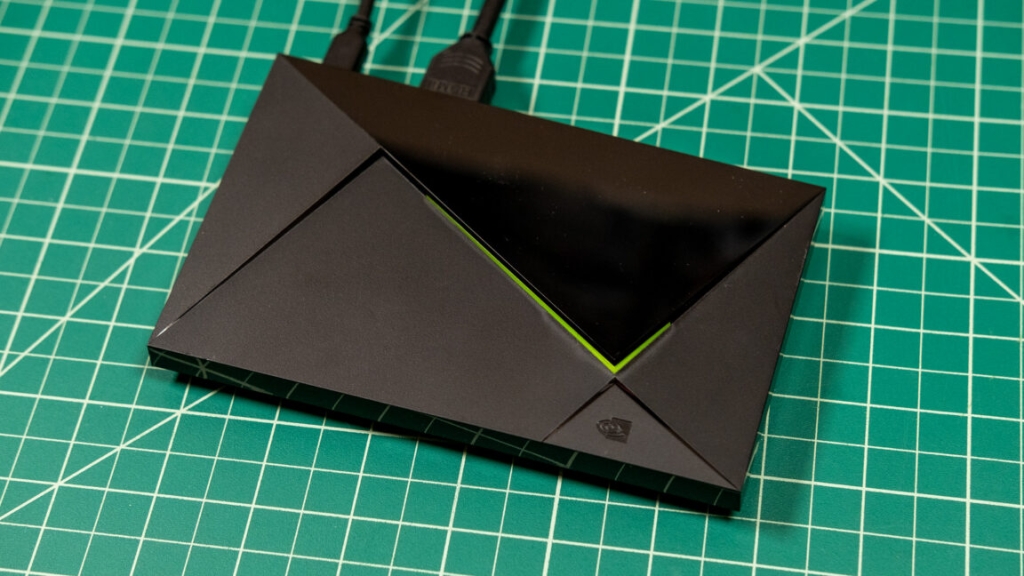
Nvidia’s Shield TV: A Decade of Updates and an 18-Month Security Odyssey That Defies Tech Industry Norms
When Nvidia launched the Shield TV in 2015, CEO Jensen Huang made a promise that sounded almost too good to be true: the company would support the streaming device “as long as we shall live.” In an industry where most hardware manufacturers abandon their products after two or three years, this declaration seemed like marketing hyperbole—until now.
Ten years later, the Shield TV stands as one of the most remarkable success stories in consumer technology, having received dozens of updates across multiple hardware generations. But perhaps the most telling example of Nvidia’s commitment isn’t the steady stream of improvements—it’s the two-year gap when nothing appeared to be happening at all.
The Silent Two-Year Development Sprint
From 2023 to 2024, Shield TV owners noticed something unusual: complete radio silence from Nvidia. No over-the-air updates, no new features, no security patches. For most tech products, this would signal the beginning of the end, but what appeared to be abandonment was actually one of the most intensive development efforts in the Shield’s history.
“On the outside, it looked like we went quiet, but it’s actually one of our bigger development efforts,” revealed Jason Bell, Nvidia’s Shield product manager, in an exclusive interview. The silence masked an 18-month security overhaul that would ultimately demonstrate why the Shield TV has become the gold standard for long-term product support.
The Nintendo Switch Connection That Almost Killed the Shield
The origins of this massive undertaking stretch back to 2017 and a surprising connection: the Nintendo Switch. The original Shield TV runs on Nvidia’s custom Tegra X1 Arm chip—the exact same processor Nintendo selected for the Switch’s launch.
What seemed like a convenient hardware partnership quickly became a security nightmare. Shortly after the Switch’s release, the modding community discovered a critical vulnerability in the Tegra X1 chip that could bypass Nintendo’s security measures entirely. This unpatchable exploit, as Ars Technica reported in 2018, made every current Nintendo Switch hackable, opening the door to homebrew applications and, inevitably, piracy.
Nintendo responded by releasing an updated Tegra X1 chip with the vulnerability fixed—a version also used in the 2019 Shield TV refresh. However, the millions of 2015 and 2017 Shield boxes already in consumers’ homes continued running the vulnerable chip version, creating a ticking time bomb for both security and functionality.
The DRM Crisis That Couldn’t Be Ignored
For several years, Nvidia managed to stay ahead of the vulnerability through periodic security patches. But by 2023, the situation had become critical. Owners of the original Shield models began reporting that DRM-protected 4K content simply wouldn’t play on their devices. Movies and shows that worked perfectly fine on newer hardware refused to load, displaying cryptic error messages instead.
This wasn’t a coincidence or a streaming service issue—it was the same chip vulnerability that had plagued the Switch years earlier, now manifesting in a way that directly impacted the user experience. Content providers, increasingly concerned about piracy, had begun implementing stricter DRM measures that the vulnerable Shield chips couldn’t pass.
For most companies, this would have been the moment to cut losses. The 2015 and 2017 Shield models were, by tech industry standards, ancient. A newer, non-vulnerable product was already on the market. The logical business decision would have been to let the older models fade away, forcing customers to upgrade if they wanted continued functionality.
Jensen Huang’s “As Long as We Shall Live” Promise Put to the Ultimate Test
Instead, Nvidia did something almost unprecedented in the consumer electronics industry. Bell approached Huang to discuss the meaning of that decade-old promise, asking whether “as long as we shall live” truly meant supporting products indefinitely, even when it required massive engineering investments.
The answer, predictably for anyone familiar with Huang’s leadership style, was unequivocal. The Shield team received approval to spend whatever time and resources were necessary to fix the vulnerability across all Shield TV generations, regardless of the cost or complexity involved.
What followed was an 18-month development odyssey that would push Nvidia’s engineering teams to their limits. Creating a security solution for hardware that was designed before the vulnerability was even discovered required building an entirely new security stack from the ground up—essentially retrofitting modern security architecture onto chips that were never designed to support it.
The Technical Challenge That Defied Industry Conventions
According to Bell, the security work proved far more complex than typical Android updates. While operating system updates might take weeks or months to develop and test, creating a comprehensive security solution for vulnerable hardware required reimagining how the entire system could be protected.
The challenge was compounded by the need to recertify the devices with content partners. Some partners were understandably reluctant to re-certify older products, viewing it as unnecessary work for hardware that should have been retired. The Shield team found themselves in the unusual position of having to advocate for their own product’s continued relevance, fighting to ensure that customers who had purchased Shield TVs with specific features wouldn’t lose functionality through no fault of their own.
This advocacy wasn’t just about technical achievement—it was about honoring a commitment. Throughout the Shield’s decade-long run, the team had consistently felt they’d made a promise to customers. People bought these devices expecting certain capabilities, and the Shield team believed they had a responsibility to maintain those features for the product’s entire natural lifespan.
What This Means for the Future of Consumer Electronics
The Shield TV’s story represents something increasingly rare in today’s tech landscape: a company that views product support as a long-term commitment rather than a short-term obligation. In an era where smartphones receive security updates for three to five years at most, and smart home devices are often abandoned after a single software update, Nvidia’s approach stands out as almost radical.
The 18-month security overhaul demonstrates that with sufficient commitment and resources, even seemingly insurmountable technical challenges can be overcome. It suggests that the premature obsolescence of consumer electronics isn’t always a technical necessity—sometimes it’s simply a business choice that companies make to drive upgrade cycles.
For Shield TV owners, this commitment translates into tangible benefits: devices that continue to receive new features, security patches, and compatibility updates years after purchase. For the broader tech industry, it serves as a case study in how long-term thinking can create customer loyalty that transcends individual product cycles.
The Legacy of a Decade-Long Support Commitment
As the Shield TV approaches its 10th anniversary, it has achieved something few consumer electronics products ever do: it has become more than just a device. It’s become a statement about what’s possible when a company truly commits to supporting its products for their entire usable lifespan.
The two-year silence that concerned so many owners ultimately revealed itself as proof of that commitment. While other companies might have quietly discontinued support or issued vague statements about focusing on newer products, Nvidia chose the harder path—investing significant resources to ensure that even their oldest Shield TVs would continue to function as intended.
This approach hasn’t just benefited consumers; it’s also demonstrated that long-term product support can be a viable business strategy. Shield TV owners have shown remarkable loyalty, often recommending the devices to friends and family based on the knowledge that Nvidia will continue supporting their purchase for years to come.
Looking Forward: What’s Next for Shield TV?
With the security vulnerability finally addressed and updates resuming in 2025, the Shield TV enters its second decade with renewed vigor. The device that began as a niche Android TV box has evolved into something much more significant—a testament to what happens when technical excellence meets genuine customer commitment.
As streaming technology continues to evolve and new standards emerge, one thing seems certain: the Shield TV will be there to support them. Whether that means another five years or another ten, Nvidia’s track record suggests that when Jensen Huang says “as long as we shall live,” he means it quite literally.
For consumers tired of the planned obsolescence that dominates the tech industry, the Shield TV offers a refreshing alternative. It proves that devices don’t have to become e-waste after a few years, that security updates don’t have to stop when a newer model launches, and that companies can choose to honor their commitments even when doing so requires significant effort and expense.
In a world where tech products often feel disposable, the Shield TV stands as a reminder that some things are built to last—and that sometimes, the best technology isn’t the newest, but the one that continues to receive care and attention years after its initial release.
Tags
Nvidia Shield TV, 10 years of updates, long-term support, Android TV, Tegra X1, Nintendo Switch vulnerability, DRM security, Jensen Huang commitment, Shield TV 2015, Shield TV 2017, streaming device longevity, consumer electronics support, unpatchable exploit, homebrew protection, 4K content playback, security stack development, product lifecycle management, tech industry standards, customer loyalty, planned obsolescence alternative
Viral Sentences
“As long as we shall live” isn’t just a slogan—it’s Nvidia’s 10-year promise to Shield TV owners that’s rewriting the rules of tech support.
While other companies abandon products after 2-3 years, Nvidia spent 18 months and millions to fix a vulnerability in 8-year-old Shield TVs.
The Shield TV’s security odyssey proves that planned obsolescence is a choice, not a necessity, in consumer electronics.
Nvidia’s Shield TV is the anti-smartphone: getting better with age while most devices become paperweights after 3 years.
When DRM broke 4K playback on old Shield TVs, Nvidia didn’t tell customers to upgrade—they spent 18 months building an entirely new security stack.
The same chip that powered the Nintendo Switch also powered the Shield TV, creating a vulnerability that took Nvidia 18 months and a complete security overhaul to fix.
In an industry where “long-term support” means 3-5 years max, Nvidia’s Shield TV is entering its second decade with regular updates and new features.
Jensen Huang’s promise wasn’t marketing fluff—it was a commitment that cost Nvidia millions but earned them customer loyalty that money can’t buy.
The Shield TV proves that the best technology investment isn’t always the newest device, but the one that keeps getting better year after year.
While Google abandons Pixel phones after 5 years and Samsung after 7, Nvidia’s 2015 Shield TV is still getting security updates in 2025.
The 2-year update gap that worried Shield owners was actually Nvidia working behind the scenes to ensure their 8-year-old devices would keep working perfectly.
Nvidia fought content partners who didn’t want to recertify old Shield TVs, proving that customer promises matter more than convenience.
The Shield TV’s story isn’t just about a streaming device—it’s about what happens when a tech company actually stands behind its products.
In a world of disposable tech, the Shield TV is the device that refuses to die, getting updates and new features a decade after launch.
Nvidia’s 18-month security development sprint for 8-year-old hardware shows what’s possible when companies prioritize customers over quarterly profits.
,

Leave a Reply
Want to join the discussion?Feel free to contribute!