
Intel Core Ultra 270K and 250K Plus review: Conditionally great CPUs
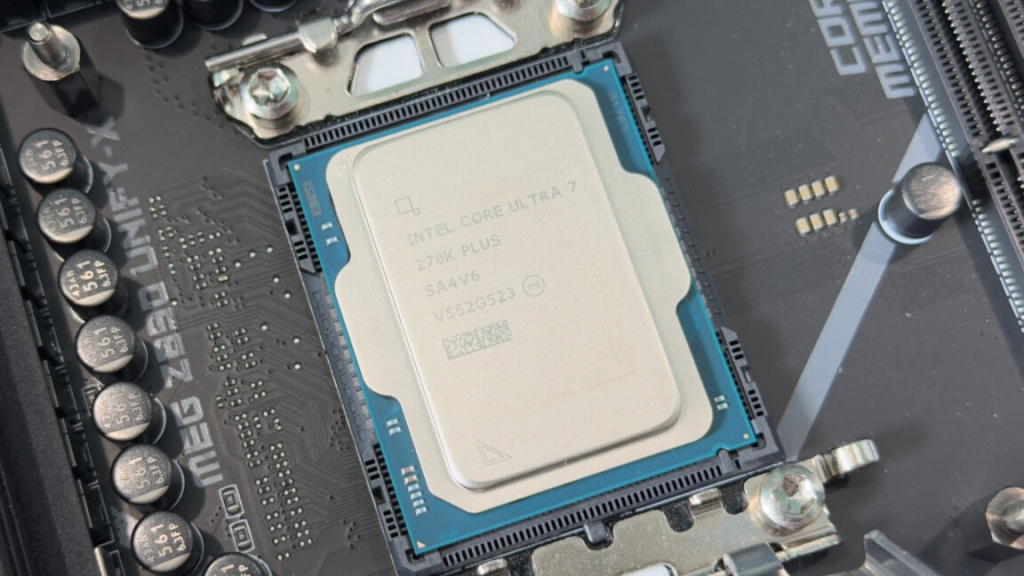
Intel’s Arrow Lake Refresh: A Closer Look at the Core Ultra 5 250K and Core Ultra 7 270K
Intel’s latest Arrow Lake desktop processors, the Core Ultra 5 250K and Core Ultra 7 270K, are here to shake up the mid-to-high-end CPU market. Priced at $199 and $299 respectively, these chips aim to deliver a compelling mix of performance, efficiency, and value—especially when compared to AMD’s Ryzen lineup. But do they live up to the hype? Let’s dive into the details.
Pricing and Positioning
At first glance, Intel’s pricing strategy is clear: the Core Ultra 5 250K and Core Ultra 7 270K are positioned to compete directly with AMD’s 6- and 8-core non-X3D processors, such as the Ryzen 9600X, 7700X, and 9700X. For gamers, the Ryzen 7600X3D, which sits around the $300 mark, could be a tempting alternative if gaming performance is your top priority. However, Intel’s new offerings bring a lot to the table beyond just gaming.
Performance Benchmarks
In our testing, we stuck to default power settings for most chips, with the exception of the Ryzen 9700X, which we ran at its higher-performing 105 W power setting. The results? The refreshed Arrow Lake chips are solid upgrades over their predecessors.
The Core Ultra 7 270K, despite its “7” branding, often outperforms the older Core Ultra 9 285K by a small but noticeable margin. This effectively makes it Intel’s new flagship desktop CPU. In multi-core tests like Cinebench and Handbrake video encoding, the Core Ultra 5 250K shines, thanks to its extra cluster of E-cores. It not only outpaces the Ryzen 9600X (which is priced similarly) but also leaves the 7700X and 9700X in the dust—despite those chips currently selling for $50 and $100 above their MSRP.
The Core Ultra 7 270K’s multi-core performance is particularly impressive, putting it ahead of AMD’s Ryzen 7950X and 9950X—chips that cost significantly more. Compared to previous-generation Intel CPUs, the 270K and 250K show marked improvements in multi-core performance. However, the most significant gains are in temperature and power efficiency under load. While both chips consume more power than their predecessors (the 285K and 245K), they still run much cooler and more efficiently than 13th- and 14th-generation Intel chips during heavy workloads and gaming sessions.
Efficiency and Thermals
One of the standout features of the Core Ultra 5 250K and Core Ultra 7 270K is their efficiency. Intel has clearly learned from the thermal and power draw issues of previous generations. These chips deliver strong performance without the excessive heat and power consumption that plagued older models. This makes them not only more environmentally friendly but also more practical for users who want a high-performance system without the need for extreme cooling solutions.
Final Thoughts
Intel’s Arrow Lake refresh is a step in the right direction. The Core Ultra 5 250K and Core Ultra 7 270K offer a compelling blend of performance, efficiency, and value. Whether you’re a gamer, content creator, or just someone looking for a reliable CPU, these chips are worth considering. While AMD still holds some advantages in specific scenarios (like gaming with the 7600X3D), Intel’s latest offerings are more than capable of holding their own in a competitive market.
Tags: Intel, Arrow Lake, Core Ultra 5 250K, Core Ultra 7 270K, CPU, AMD Ryzen, gaming, multi-core performance, efficiency, thermals, benchmarks, Cinebench, Handbrake, desktop processors, tech news
Viral Phrases: “Intel’s Arrow Lake refresh is a game-changer,” “Efficiency meets performance,” “Cooler, faster, and more powerful,” “The new flagship CPU you didn’t see coming,” “AMD who? Intel’s back in the game,” “Multi-core mastery,” “Budget-friendly powerhouse,” “The CPU that won’t break the bank,” “Gaming and beyond,” “Tech enthusiasts rejoice!”
,


Leave a Reply
Want to join the discussion?Feel free to contribute!