
Intel ISH Firmware Upstreamed For Linux With Dell’s New Panther Lake Laptops
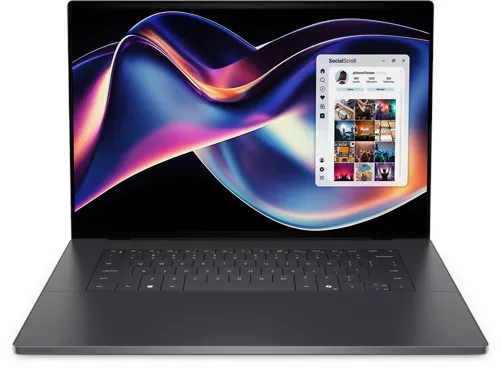
Dell’s Panther Lake XPS Laptops Gear Up for Launch with Enhanced Linux Support
As Dell prepares to ship its highly anticipated XPS 14 and XPS 16 laptops powered by Intel’s next-generation Core Ultra Series 3 “Panther Lake” processors, the Linux community is making significant strides in ensuring seamless support for these premium devices. With mass production expected to ramp up in March, Dell and the open-source community are leaving no stone unturned to deliver a polished experience for Linux users.
The latest development comes in the form of firmware updates that enable critical hardware features on these Panther Lake-powered laptops. Last week, the Linux kernel community upstreamed firmware files necessary for audio support on the new Dell XPS models. Now, another crucial piece of the puzzle has been addressed: firmware for the Intel Integrated Sensor Hub (ISH).
The ISH is Intel’s co-processor designed to offload sensor processing tasks, thereby improving efficiency and reducing power consumption. This is particularly important for modern laptops, where battery life and performance are paramount. The open-source Intel ISH driver is already part of the mainline Linux kernel, but firmware support is equally essential to unlock its full potential.
Thanks to a recent commit by a Dell engineer, the necessary firmware file for Dell Panther Lake systems has been added to the linux-firmware.git repository. This update ensures that users of these upcoming XPS laptops will benefit from offloaded sensor handling, which translates to better power efficiency and a smoother overall experience.
The commit, which can be viewed here, underscores Dell’s commitment to supporting Linux on its hardware. By collaborating with the open-source community, Dell is setting a new standard for hardware compatibility and user experience.
For Linux enthusiasts and early adopters, the timing couldn’t be better. With Panther Lake laptops set to hit the market in the coming weeks, the groundwork for robust Linux support is being laid. And for those eager to see how these laptops perform, Phoronix has announced that initial Panther Lake Linux benchmarks are on track to be published tomorrow, starting with CPU performance tests.
This development is a testament to the growing synergy between hardware manufacturers and the open-source community. As Dell prepares to launch its Panther Lake XPS laptops, the Linux ecosystem is ready to deliver a seamless and efficient experience for users. Whether you’re a developer, a creative professional, or simply a tech enthusiast, these laptops promise to be a game-changer.
Stay tuned for more updates as Dell’s Panther Lake XPS laptops make their way to market, and keep an eye on Phoronix for in-depth performance analysis. The future of Linux on premium hardware has never looked brighter.
Tags: Dell, XPS, Panther Lake, Intel Core Ultra, Linux, firmware, ISH, sensor hub, open-source, hardware support, power efficiency, Linux kernel, Dell engineer, Phoronix, benchmarks, CPU performance, tech news, premium laptops, mass production, March launch.
Viral Phrases: Dell’s Panther Lake XPS laptops, Intel Core Ultra Series 3, Linux firmware updates, Intel Integrated Sensor Hub, open-source collaboration, power efficiency, Phoronix benchmarks, CPU performance, tech enthusiasts, premium hardware, seamless Linux support, Dell engineer commit, hardware compatibility, battery life, performance, tech innovation, Linux community, Dell XPS 14, Dell XPS 16, next-gen laptops, tech synergy, user experience, early adopters, creative professionals, developers, tech game-changer, Linux ecosystem, market launch, in-depth analysis, future of Linux, hardware manufacturers, open-source community, tech standard, polished experience, sensor handling, efficiency gains, tech enthusiasts, tech news, viral tech updates.
,

Leave a Reply
Want to join the discussion?Feel free to contribute!