
Intel Releases QATlib 26.02 With New APIs For Zero-Copy DMA
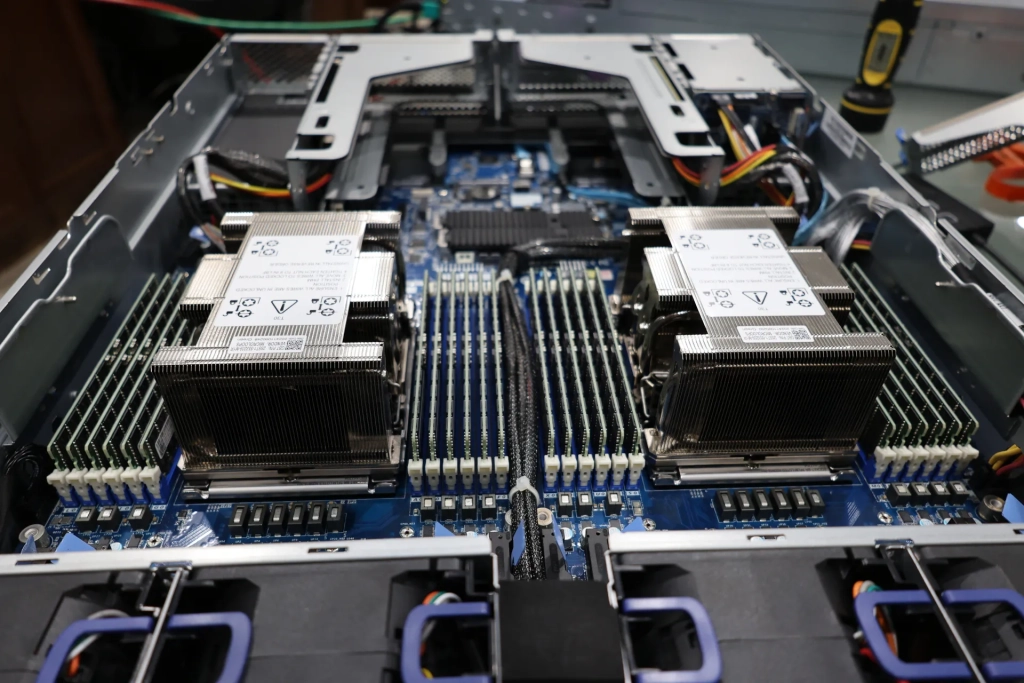
Intel Unleashes QATlib 26.02: Zero-Copy DMA and Performance Boost for QuickAssist Technology
Intel has once again raised the bar in hardware acceleration with the release of QATlib 26.02, the latest iteration of its user-space library designed to harness the full potential of QuickAssist Technology (QAT). This update is a game-changer for developers and enterprises seeking to optimize encryption, compression, and other compute-intensive tasks by offloading them to specialized hardware.
What is Intel QuickAssist Technology (QAT)?
QuickAssist Technology is Intel’s proprietary suite of hardware accelerators embedded in select Intel Xeon processors. It’s designed to offload cryptographic operations, compression, and decompression tasks from the CPU, freeing up valuable processing power for other critical workloads. For years, QAT has been a cornerstone of Intel’s strategy to enhance performance in data centers, cloud environments, and high-performance computing (HPC) applications.
QATlib 26.02: What’s New?
The QATlib 26.02 release introduces several groundbreaking features and improvements, with the most notable being the new USDM (User-Space DMA-able Memory) APIs. These APIs enable zero-copy DMA operations using IOVA (Input-Output Virtual Address) mappings with user-allocated memory buffers. This enhancement significantly boosts efficiency by reducing the overhead associated with data copying between user space and kernel space.
Zero-Copy DMA: A Performance Revolution
Zero-copy DMA is a critical advancement for applications that demand low-latency and high-throughput performance. By allowing direct memory access without the need for intermediate data copying, Intel’s new USDM APIs minimize CPU overhead and maximize data transfer speeds. This is particularly beneficial for workloads involving large-scale data processing, such as real-time analytics, video streaming, and secure communications.
EPOLL/POLL Mode Configuration
Another key addition in QATlib 26.02 is the ability to configure the EPOLL/POLL mode of operation. This flexibility allows developers to tailor the library’s behavior to their specific use cases, optimizing for either event-driven or polling-based architectures. Whether you’re building a high-frequency trading platform or a real-time video transcoding service, this feature ensures that QATlib can adapt to your performance requirements.
Simplified Licensing and Bug Fixes
Intel has also streamlined the licensing structure in QATlib 26.02, focusing on the BSD 3-clause license and simplifying some of the license headers. This move aligns with Intel’s commitment to open-source collaboration and makes it easier for developers to integrate QATlib into their projects. Additionally, the release includes a host of bug fixes, ensuring greater stability and reliability for users.
Why QATlib 26.02 Matters
The release of QATlib 26.02 underscores Intel’s dedication to pushing the boundaries of hardware acceleration. By enabling zero-copy DMA and offering greater configurability, Intel is empowering developers to build faster, more efficient applications that can handle the demands of modern computing.
For enterprises, this means improved performance in critical areas such as data encryption, compression, and secure communications. For developers, it means access to cutting-edge tools that can help them stay ahead in a competitive landscape.
Looking Ahead
As Intel continues to innovate in the realm of hardware acceleration, QATlib 26.02 represents a significant milestone. With its focus on efficiency, flexibility, and performance, this release is poised to make a lasting impact on the tech industry. Whether you’re a developer, a system administrator, or an IT decision-maker, QATlib 26.02 is a release worth paying attention to.
Tags & Viral Phrases:
Intel QuickAssist Technology, QATlib 26.02, zero-copy DMA, hardware acceleration, encryption offload, compression offload, Intel Xeon processors, USDM APIs, IOVA mappings, EPOLL/POLL mode, BSD 3-clause license, high-performance computing, data centers, cloud computing, real-time analytics, video streaming, secure communications, low-latency performance, high-throughput, open-source collaboration, bug fixes, system optimization, Intel innovation, cutting-edge technology, developer tools, enterprise performance, IT infrastructure, modern computing, competitive advantage, tech industry trends, hardware acceleration breakthroughs, Intel ecosystem, next-gen computing, performance revolution, data processing efficiency, secure data transfer, scalable solutions, future of computing.
,


Leave a Reply
Want to join the discussion?Feel free to contribute!