
Investigating the 61-pound machine that eats plastic and spits out bricks
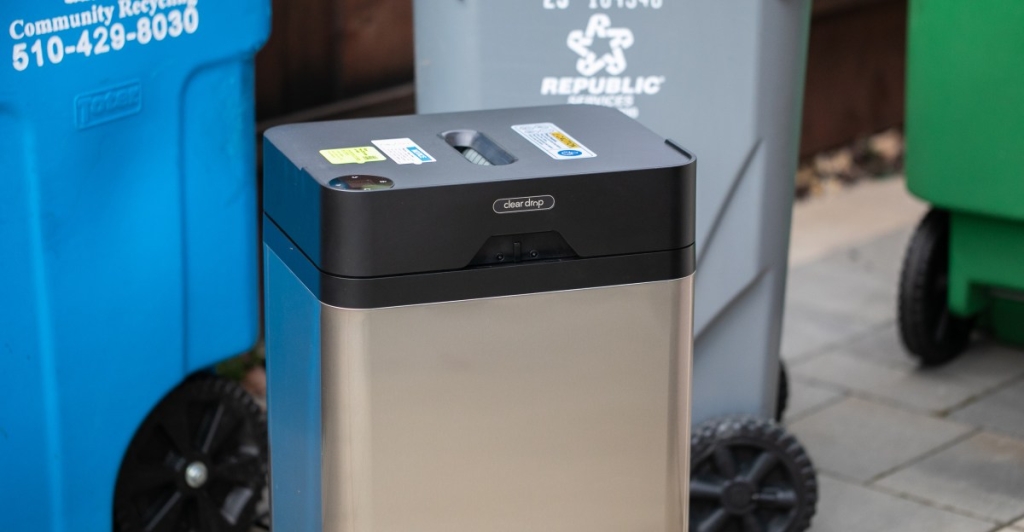
The Clear Drop Soft Plastic Compactor: A Promising Solution or a Costly Distraction?
My Journey with a $1,400 Plastic-Bricking Machine
As a lifelong recycler who once collected cans door-to-door for pocket change, I was thrilled when Clear Drop offered me their Soft Plastic Compactor (SPC) for review. The promise was revolutionary: a countertop appliance that would transform all those pesky unrecyclable plastic bags, mailers, and food wrappers into neat 3-pound bricks that could actually be recycled. After a month of testing, I’ve discovered this gadget is far more complicated than its marketing suggests.
The Allure of the Machine
The Clear Drop SPC is undeniably sleek—a 27-inch tall stainless steel compactor that wouldn’t look out of place in a modern kitchen. For $1,400 (or $50 monthly for 24 months), you get the machine plus a two-year comprehensive protection plan that covers repairs and even full replacements. The concept is simple: feed it soft plastics, watch them disappear into a slot, and wait for it to spit out a compact brick weeks later.
When I first started using it, I felt like I’d discovered recycling’s holy grail. I fed it grocery bags, snack wrappers, and Ziplocs with glee, watching my plastic waste vanish before my eyes. The machine requires no Wi-Fi setup or firmware updates—just plug it in and start compacting.
Where the Magic Falls Apart
But problems emerged quickly. The SPC isn’t as smart as it needs to be. Thick bubble wrap, sealed air cushions, and even some grocery bags get stuck in the rollers. I experienced three jams during my testing period, each requiring me to disassemble parts of the machine with a utility knife. After these incidents, the rollers began pausing more frequently with false positives.
The smell during the melting process is genuinely unpleasant—my wife banished the machine to the garage after our first use. And while the compactor does create bricks, they’re not as solid as you might hope. Zooming in on photos reveals that the plastic isn’t truly fused together; it’s more like a loosely compressed bundle held together by melted edges.
The Recycling Question Mark
Here’s where things get really complicated. Clear Drop partners with Frankfort Plastics in Indiana to recycle these bricks, but the journey raises serious environmental concerns. Shipping a 3-pound package from California to Indiana generates approximately 530 grams of CO2—equivalent to a five-minute hot shower or 15 minutes of mobile phone use.
Frankfort processes the bricks through a massive blender attached to a 750-horsepower motor, shredding and melting the plastic into a feedstock resembling plastic popcorn. About 40% of this feedstock goes to chemical recycling facilities, which is where the environmental math becomes murky. While Clear Drop claims none of its material becomes waste-to-fuel, chemical recycling remains controversial due to the hazardous waste it produces and the fact that most chemically recycled plastic in the US ultimately gets burned.
The Bigger Picture Problem
Environmental advocates argue that programs like Clear Drop’s actually perpetuate plastic pollution by creating the illusion that recycling solves the problem. The global recycling rate is only about 9%, and most plastics can only be recycled once or twice before degrading. Clear Drop’s bricks will likely become plastic lumber or guardrail spacers—downcycled rather than truly recycled.
The company’s own head of product, Matt Daly, admits that “recycling alone is not the long-term answer to plastic. Reduction and better design upstream are essential.” Yet Clear Drop positions itself as a transitional solution for the soft plastics that municipal recycling programs won’t accept.
Red Flags and Trust Issues
My investigation uncovered several concerning practices. Clear Drop appears to remove negative reviews from its website—a review mentioning the machine breaking after four months disappeared shortly after our story published. The company also features two testimonials from Daly himself, posing as a “verified buyer” before he worked there.
The shipping address initially listed on prepaid mailers was Daly’s home in Texas, not Frankfort Plastics in Indiana. While this has since been corrected, it raises questions about the company’s operational transparency.
Should You Buy It?
After extensive testing and research, I cannot recommend the Clear Drop SPC to consumers today. The machine is expensive, prone to jams, and creates a new environmental problem by shipping bricks across the country. While the concept addresses a real need—most municipal recycling programs won’t accept soft plastics—the execution falls far short.
Clear Drop seems to understand this limitation. Daly suggests the company’s “path to growth” isn’t consumers at all, but rather hospitals and businesses that generate clear plastic waste in bulk. He envisions municipalities adopting the technology eventually, but that future is far from certain.
The Bottom Line
The Clear Drop SPC represents an ambitious attempt to solve a genuine environmental problem, but it’s not ready for prime time. Until local recyclers accept these bricks, the carbon footprint of shipping them across the country likely outweighs any environmental benefit. For now, the best solution remains reducing plastic consumption in the first place—something Clear Drop itself acknowledges.
As I pack away my SPC and return to throwing soft plastics in the trash, I’m left with a profound sense of disappointment. This machine promised to ease my recycling guilt but instead amplified it, revealing just how complex and imperfect our solutions to plastic pollution really are.
Tags: #ClearDrop #SoftPlasticCompactor #Recycling #PlasticPollution #EcoTech #Sustainability #GreenTech #WasteManagement #EnvironmentalTech #HomeGadgets #TechReview #CircularEconomy #ClimateAction
Viral Phrases: “The $1,400 machine that might be making plastic pollution worse,” “I tested the gadget that promises to solve our plastic problem—here’s what happened,” “The recycling myth that could be hurting the planet,” “This sleek appliance might be doing more harm than good,” “The startup shipping your plastic trash across America,” “When good intentions meet bad execution in eco-tech,” “The hidden costs of feeling good about recycling,” “Why your recycling might be making things worse,” “The gadget that’s too good to be true,” “The environmental paradox of modern recycling tech”
,

Leave a Reply
Want to join the discussion?Feel free to contribute!