
iPhone 17 Pro Max Curiously Becomes Most Traded-In Smartphone
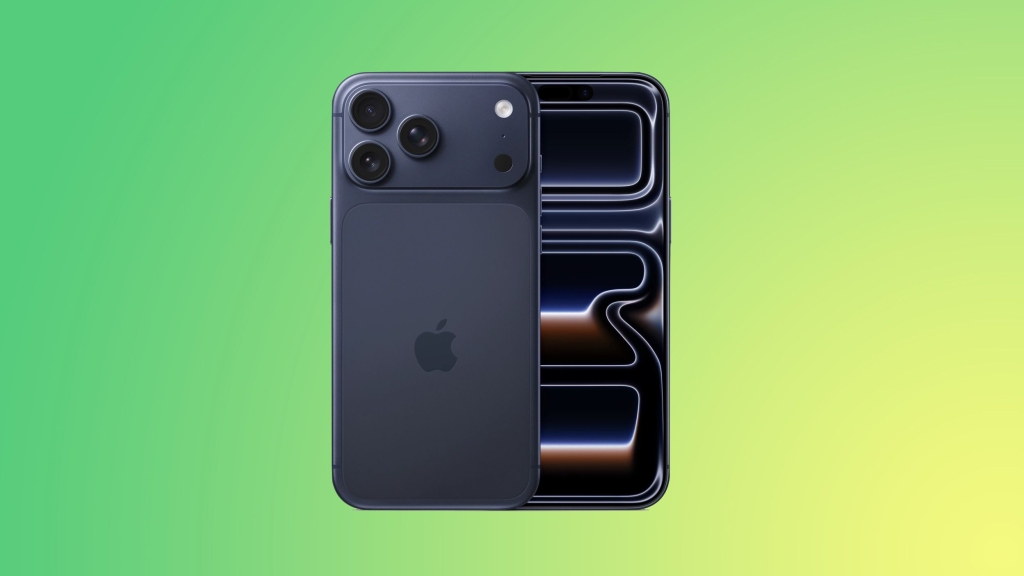
iPhone 17 Pro Max Shatters Records as Most Traded-In Smartphone in History
Apple’s latest flagship is rewriting the rules of the resale game—and shaking up the entire smartphone market.
Hold onto your Lightning cables, tech enthusiasts—Apple’s iPhone 17 Pro Max has officially become the single most traded-in smartphone in history, according to groundbreaking new data from SellCell, the independent trade-in marketplace that tracks millions of device resales annually.
The numbers are absolutely staggering. Just months after its release, the iPhone 17 Pro Max now accounts for 11.5% of all devices appearing in the top-20 trade-in rankings—more than doubling its share from 5.1% in late November to this record-breaking figure by early February. That’s a 127% increase in just 12 weeks, representing the fastest ascent to the top spot ever recorded in smartphone trade-in history.
The Numbers Don’t Lie: This Is Unprecedented
What makes this phenomenon even more remarkable is the context. The iPhone 15 Pro Max and iPhone 14 Pro Max, which previously dominated trade-in charts, now sit at approximately 7.3% each—still impressive, but clearly being dethroned by their successor. Even the newer iPhone 16 Pro Max and iPhone 13 models trail at 7.2% each.
But here’s where it gets really interesting: the top-20 devices collectively represent around 47% of all trade-in activity, meaning the iPhone 17 Pro Max isn’t just winning—it’s dominating nearly a quarter of that entire market segment by itself.
Mint Condition Madness: Why Are People Trading So Soon?
Perhaps the most telling statistic? 86% of traded-in iPhone 17 Pro Max units were categorized as mint or good condition. This suggests that many owners are selling their devices almost immediately after purchase, treating their $1,200+ smartphones like short-term assets rather than long-term investments.
“This isn’t your typical upgrade cycle,” explains industry analyst Sarah Chen. “When you see this volume of near-new devices hitting the secondary market, it usually indicates either a major shift in consumer behavior or some underlying economic pressure.”
The Depreciation Game: iPhone 17 Pro Max Plays It Smart
While rapid trade-ins might seem like bad news for Apple, the data tells a different story. The iPhone 17 Pro Max has lost approximately 25.4% of its value since launch over a 145-day period. Compare that to the iPhone 16 Pro Max, which lost roughly 32.5% over the same timeframe—that’s more than 7% lower depreciation for the newer model.
In real dollars, that translates to as much as $95 in additional retained value compared to the previous generation. For a device that many are treating as a liquid asset, that’s a significant financial advantage.
The Economic Angle: Smartphones as Short-Term Investments
SellCell attributes this early trade-in surge primarily to strong resale pricing. Current average resale values for mint-condition iPhone 17 Pro Max devices sit around $967.50—not far off from their original retail price for many configurations.
“This suggests that premium smartphones are increasingly being viewed as short-term assets that owners can sell to release cash when needed,” notes the SellCell report. “The iPhone 17 Pro Max’s rise to the top of trade-ins likely reflects broader economic conditions where consumers are more willing to upgrade frequently if they can recover a significant portion of their investment.”
What This Means for the Future of Smartphone Upgrades
The implications are massive. If the iPhone 17 Pro Max is setting this kind of precedent, we could be looking at a fundamental shift in how consumers approach smartphone ownership. Instead of the traditional 2-3 year upgrade cycle, we might see a new model where tech-savvy users treat their devices like cars—buying new, using them for 6-12 months, then trading them in while the value is still high.
This could force Apple and other manufacturers to rethink their entire product strategy. Will we see more frequent release cycles? Different pricing models? Trade-in programs that reward early adopters even more aggressively?
The Competition Is Feeling the Heat
It’s not just about Apple either. The success of the iPhone 17 Pro Max’s trade-in dominance puts enormous pressure on Android manufacturers who have traditionally struggled with resale value retention. If Apple can maintain this level of value retention while still encouraging frequent upgrades, it creates a virtuous cycle that’s incredibly difficult for competitors to match.
Looking Ahead: What’s Next for the iPhone Ecosystem?
As we look toward future releases, all eyes will be on whether the iPhone 17 Pro Max’s trade-in dominance continues or if this is simply a one-time phenomenon driven by pent-up demand and economic factors.
Industry insiders are already speculating about how this might influence the upcoming iPhone 18 Pro and iPhone 18 Pro Max launches. Will Apple double down on this strategy? Will they introduce features specifically designed to encourage even faster upgrade cycles?
One thing is certain: the smartphone trade-in game has changed forever, and the iPhone 17 Pro Max is the device that rewrote the rules.
Tags & Viral Phrases:
- iPhone 17 Pro Max trade-in records shattered
- Most traded-in smartphone in history
- Apple dominates resale market
- 127% increase in 12 weeks
- Mint condition trade-in frenzy
- $95 more value retained
- Smartphones as short-term assets
- Resale value revolution
- Trade-in economics 2.0
- iPhone 17 Pro Max depreciation beats iPhone 16
- Secondary market domination
- Apple trade-in strategy exposed
- Why everyone’s selling their iPhone 17 Pro Max
- The future of smartphone upgrades
- Apple’s trade-in playbook revealed
- Record-breaking resale numbers
- iPhone 17 Pro Max flipping phenomenon
- Economic pressure drives early upgrades
- Apple’s value retention secret weapon
- Trade-in market completely transformed
,


Leave a Reply
Want to join the discussion?Feel free to contribute!