
iPhone 17 Pro’s Cosmic Orange Color Linked to 38% China Sales Jump
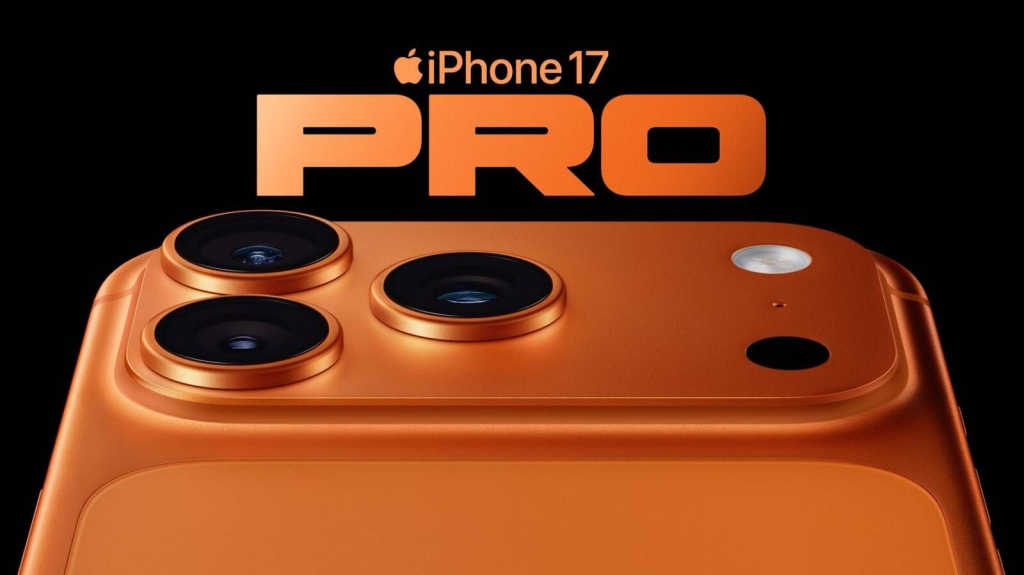
Cosmic Orange Craze: How One Color Turned Apple’s iPhone 17 Pro into China’s Hottest Tech Status Symbol
In a stunning reversal of fortunes that has Silicon Valley analysts scrambling for their calculators, Apple’s iPhone 17 Pro and iPhone 17 Pro Max have achieved what many considered impossible: dominating China’s hyper-competitive smartphone market through the power of color psychology and luxury branding.
The numbers tell a remarkable story. During Apple’s fiscal first quarter, the company reported an eye-popping $26 billion in revenue from China—a staggering 38 percent year-over-year increase that represents not just a comeback, but Apple’s most successful quarter ever in the world’s largest smartphone market. To put this into perspective, China now accounts for approximately one-fifth of Apple’s entire global sales portfolio, making it the company’s second-largest market after the United States.
But here’s where the narrative takes an unexpected twist that would make even the most seasoned marketing executives do a double-take: this sales explosion has almost nothing to do with the iPhone 17 Pro’s cutting-edge features, its advanced AI capabilities, or its revolutionary camera system. Instead, the driving force behind this unprecedented success can be traced to a single, vibrant hue that has captured the imagination of Chinese consumers—Cosmic Orange.
The color, which Apple has made available exclusively on its premium Pro models, has been affectionately dubbed “Hermès orange” by Chinese consumers. This nickname isn’t accidental marketing genius; it’s a direct reference to the signature color of the iconic French luxury brand Hermès, whose Birkin bags and silk scarves have become status symbols among China’s affluent consumers. The association with Hermès immediately elevates the iPhone 17 Pro from a mere technological device to a luxury fashion accessory, tapping into China’s deep cultural appreciation for high-end European brands.
Social media platforms across China have been ablaze with Cosmic Orange content since the devices launched in September. Videos showcasing the vibrant finish have gone viral, with users creating elaborate unboxing experiences, color comparison tests, and lifestyle demonstrations that position the orange iPhone as the must-have accessory for 2025. The visual impact is undeniable—the Cosmic Orange finish catches light in a way that makes it instantly recognizable from across crowded rooms, turning every user into a walking advertisement for Apple’s design prowess.
“This sounds simple, but it’s the external obvious changes to design, which includes the introduction of a shout-out orange colour, that pulled out early upgraders,” explained Nabila Popal, senior research director at IDC, in an interview with the Financial Times. Her analysis cuts to the heart of what makes this color strategy so effective: in a market saturated with technological parity, where most flagship smartphones offer similar performance specs, camera capabilities, and software features, Apple has found a way to create immediate visual differentiation that speaks directly to consumer psychology.
The power of Cosmic Orange extends beyond mere aesthetics, however. In Mandarin Chinese, the word for orange (橙色, chéngsè) carries profound cultural significance that Apple’s marketing team clearly understood. The pronunciation bears an uncanny similarity to words associated with success, achievement, and prosperity. This linguistic connection has created a perfect storm of positive associations that Chinese consumers have eagerly embraced.
Social media posts featuring the iPhone 17 Pro frequently incorporate well-wishes and auspicious phrases that play on this linguistic connection. Users share images of their new devices alongside messages wishing for career advancement, financial success, or personal achievement—all cleverly woven into posts about their new orange iPhones. The device becomes more than a phone; it transforms into a talisman of good fortune, a physical manifestation of one’s aspirations for success in an increasingly competitive society.
This cultural resonance is particularly powerful in China, where color symbolism plays a significant role in daily life and major purchasing decisions. Red symbolizes good fortune and joy, gold represents wealth and prosperity, and now orange has been successfully positioned as the color of achievement and upward mobility. Apple’s understanding of these cultural nuances demonstrates why the company has maintained its premium position in the Chinese market despite intense competition from domestic manufacturers.
Speaking of competition, Apple’s success with the iPhone 17 Pro represents a remarkable turnaround after nearly three years of declining sales in China. The company had been steadily losing ground to domestic rivals like Huawei, Xiaomi, and Vivo, who offered comparable technology at more competitive price points and understood local consumer preferences better than the California-based tech giant. Huawei, in particular, had made significant inroads with its Mate series, which appealed to nationalist sentiments and offered cutting-edge features developed specifically for the Chinese market.
The iPhone 17 Pro’s success suggests that Apple has found a way to bridge the gap between its global brand identity and local cultural preferences. Rather than trying to compete solely on technical specifications or price—areas where Chinese manufacturers have clear advantages—Apple has leveraged its strengths in design, branding, and cultural positioning to create something uniquely desirable.
This strategy appears to be paying dividends beyond just the initial sales surge. The iPhone 17 Pro’s success has generated significant buzz around Apple’s entire ecosystem, driving increased sales of accessories, services, and other Apple products. Users who might have been considering switching to Android devices are now more likely to remain within Apple’s walled garden, creating a halo effect that extends well beyond the orange iPhone itself.
Looking ahead, the pressure is now on Apple to maintain this momentum with the upcoming iPhone 18 Pro and iPhone 18 Pro Max, expected to launch this September alongside the company’s first foldable device. Industry insiders suggest that Apple’s design team is already hard at work developing a new signature color that can capture the same cultural imagination as Cosmic Orange.
Rumors circulating in tech circles point to several intriguing possibilities. One leak suggests Apple is considering a brown coffee-like shade that could appeal to consumers who appreciate understated luxury and natural materials. Another rumor hints at a rich purple hue that might tap into associations with royalty, creativity, and spiritual wisdom in Chinese culture. A third possibility is a deep burgundy that could evoke the same luxury associations as the current orange while offering a more sophisticated, mature alternative.
Whatever color Apple ultimately chooses, the bar has been set extraordinarily high. The Cosmic Orange phenomenon has demonstrated that in today’s smartphone market, where technical differentiation is increasingly difficult to achieve, success may hinge as much on cultural resonance and emotional appeal as on processor speeds and camera megapixels.
The broader implications of this success extend far beyond Apple’s quarterly earnings reports. It suggests a future where technology companies must become increasingly sophisticated in their understanding of cultural psychology, linguistic associations, and symbolic meaning. The days of simply releasing incrementally improved hardware with minor spec bumps are clearly over; the next frontier of competitive advantage lies in creating products that resonate on multiple levels—technological, aesthetic, and cultural.
For Apple, the iPhone 17 Pro’s success in China represents validation of a strategy that prioritizes design thinking, cultural intelligence, and emotional connection over pure technological innovation. It’s a reminder that even in our increasingly digital world, human psychology and cultural meaning remain powerful drivers of consumer behavior.
As other tech companies watch Apple’s Chinese success story unfold, one thing is clear: the future of smartphone marketing may be less about what devices can do and more about what they represent. In a world where everyone has access to similar technology, the companies that will win are those that can create products that tell compelling stories, evoke powerful emotions, and tap into deep cultural currents.
Apple’s Cosmic Orange iPhone 17 Pro has done exactly that, proving that sometimes the most revolutionary feature isn’t a new chip or camera technology—it’s a color that speaks to the heart of what people aspire to be.
Tags & Viral Phrases:
Cosmic Orange, Hermès orange, iPhone 17 Pro China, Apple China comeback, luxury smartphone color, Mandarin color psychology, iPhone viral marketing, Chinese social media sensation, Apple $26 billion China, IDC research director, Nabila Popal analysis, smartphone status symbol, color-driven sales, Apple vs Huawei China, iPhone 18 Pro rumors, brown coffee shade iPhone, purple iPhone speculation, burgundy iPhone possibility, foldable iPhone 2025, Chinese consumer behavior, luxury brand association, success symbolism, orange prosperity meaning, Apple ecosystem growth, cultural intelligence marketing, design thinking strategy, emotional technology connection, viral product launch, status symbol smartphone, linguistic color association, Chinese luxury preferences, Apple market share China, domestic brand competition, color as differentiator, smartphone cultural resonance, future of mobile marketing, Apple design innovation, Chinese market psychology, technology and tradition, luxury tech accessories, color-driven consumer decisions, Apple brand positioning, cultural symbolism success, smartphone emotional appeal, luxury color strategy, Apple China dominance, color psychology marketing, viral tech phenomenon
,

Leave a Reply
Want to join the discussion?Feel free to contribute!