
Iran War Puts Global Energy Markets on the Brink of a Worst-Case Scenario
Breaking: Middle East Oil War Escalates—Global Energy Crisis Deepens as Israel and Iran Target Critical Infrastructure
In a dramatic escalation that energy analysts are calling “unprecedented,” the conflict between Israel and Iran has transformed from a regional military confrontation into a full-scale assault on the world’s energy infrastructure, sending shockwaves through global markets and threatening to reshape the international economy for years to come.
The past 72 hours have witnessed attacks of staggering sophistication and impact, with both nations targeting each other’s most vital energy assets. Israel’s precision strikes on Thursday targeted Iran’s South Pars gas field—the world’s largest natural gas field, shared between Iran and Qatar—while Iran retaliated by hitting Qatar’s Ras Laffan facility, the planet’s largest liquefied natural gas export terminal.
“This isn’t just another Middle East conflict—it’s an attack on the very arteries of the global economy,” says energy security expert Dr. Michael Chen of the Atlantic Council. “We’re witnessing the deliberate targeting of infrastructure that supplies roughly one-third of the world’s oil and gas needs.”
The numbers are staggering. Qatar alone processes approximately 77 million tons of LNG annually, representing roughly 20% of global liquefied natural gas supply. Industry insiders report that damage assessments suggest 17% of Qatar’s LNG capacity may be offline for three to five years—a timeline that has sent energy traders into a frenzy.
Oil prices have responded accordingly, briefly surging past $120 per barrel before settling around $115—levels not seen since the Ukraine conflict’s peak. The International Energy Agency has issued emergency recommendations urging consumers worldwide to reduce energy consumption: work from home where possible, drive at reduced speeds to maximize fuel efficiency, and minimize gas stove usage.
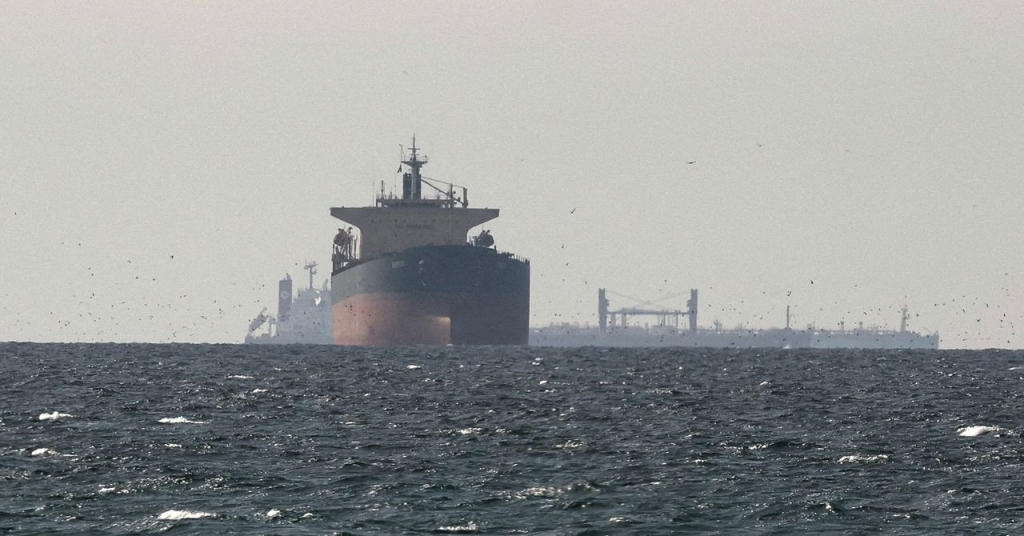
The Strait of Hormuz, the world’s most critical oil shipping chokepoint through which approximately 20% of global oil supplies flow, remains effectively closed. Ships are either being diverted thousands of miles around Africa’s Cape of Good Hope or remaining in port altogether. This closure alone has already cost the global economy billions in increased transportation costs and supply chain disruptions.
What makes this crisis particularly alarming is the apparent targeting of infrastructure that cannot be quickly repaired or replaced. Unlike previous conflicts where oil facilities might suffer temporary shutdowns, the damage to processing plants, export terminals, and storage facilities appears extensive and long-lasting.
“We’re looking at potentially years of reduced capacity in some of the most critical energy production zones on Earth,” explains energy analyst Sarah Martinez. “The South Pars field alone provides heating and electricity to millions of homes across Europe and Asia. Its reduced output means higher energy costs globally, regardless of how quickly the conflict ends.”
The economic implications extend far beyond fuel prices. Industries from agriculture to manufacturing rely heavily on petroleum byproducts. Fertilizer production, which uses natural gas as a key feedstock, is already seeing price spikes that threaten global food security. Chemical manufacturers are reporting supply constraints that could lead to shortages of everything from plastics to pharmaceuticals.
Adding to the complexity, several OPEC members have announced force majeure declarations, effectively canceling contracts due to circumstances beyond their control. This legal maneuver, while protecting suppliers from breach of contract lawsuits, leaves millions of customers scrambling for alternative energy sources in a tight global market.
The conflict has also exposed vulnerabilities in energy security strategies worldwide. Countries that invested heavily in just-in-time inventory systems and minimal strategic reserves are now facing the consequences as spot market prices soar and availability becomes uncertain.
“This is exactly the kind of scenario that energy planners have war-gamed for decades,” says former U.S. Energy Department official Robert Thompson. “The difference is, this isn’t a simulation anymore. We’re living through it in real-time.”
Market volatility has reached levels that have forced some trading platforms to implement circuit breakers, temporarily halting transactions when price swings exceed certain thresholds. The uncertainty has also driven investors toward safe-haven assets, with gold prices reaching six-year highs and cryptocurrency markets experiencing unprecedented volatility.
As diplomatic efforts intensify behind the scenes, the question remains whether any resolution can quickly restore damaged infrastructure or whether the global economy must brace for a new reality of sustained higher energy costs and supply constraints.
What’s clear is that the world’s energy landscape has been permanently altered by this conflict. Even if hostilities cease tomorrow, the damage to critical infrastructure and the resulting market disruptions will reverberate through the global economy for years to come.
Tags: #OilCrisis #EnergyWar #MiddleEastConflict #GlobalEconomy #OilPrices #LNG #StraitOfHormuz #EnergySecurity #OPEC #QatarEnergy #SouthPars #IranIsraelConflict #FuelPrices #SupplyChain #EnergyMarkets
Viral Sentences:
- “This scenario is something that you give to the first-year oil analysts to say, ‘OK, if this happens…'”
- “It’s kind of like, what would happen if gravity just suddenly stopped working for 10 minutes?”
- “This is like one of those war game simulations in energy markets”
- “Once you get into the point where real long-term damage is happening, it’s not going to be so easily reversible”
- “Anytime there is any kind of military activity in the Persian Gulf or even in the Middle East, oil markets tend to get very jittery”
- “The things you just give to students to say, ‘Let’s put a thought experiment to something extreme and see how would the system react'”
- “I never thought we would actually see this”
- “This isn’t just another Middle East conflict—it’s an attack on the very arteries of the global economy”
- “We’re looking at potentially years of reduced capacity in some of the most critical energy production zones on Earth”
- “This is exactly the kind of scenario that energy planners have war-gamed for decades”
,


Leave a Reply
Want to join the discussion?Feel free to contribute!