
Iran's internet is returning – but not for everyone
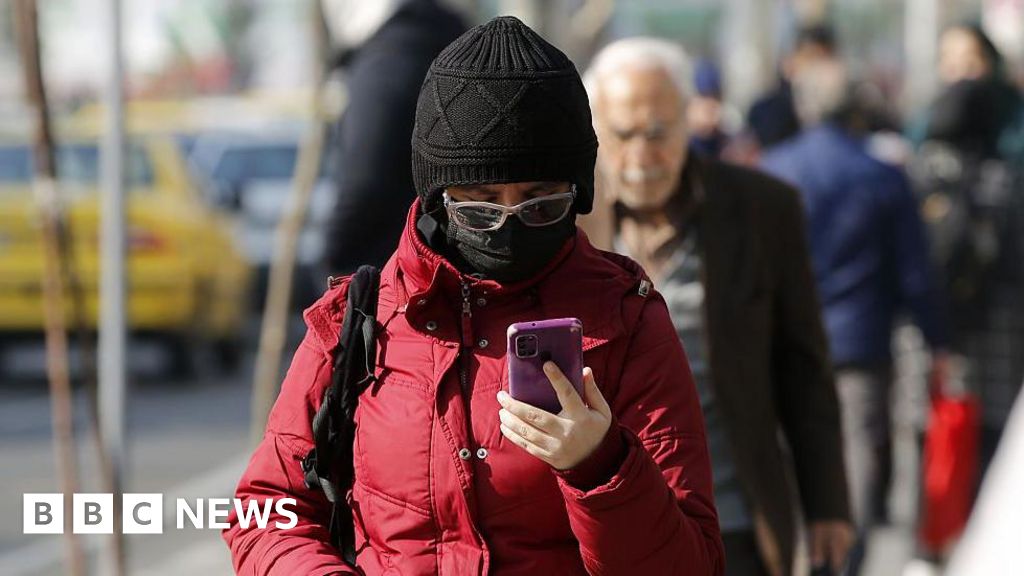
Title: Internet Blackout in [Country Name] Sparks Global Outrage as Government Cracks Down on Protests
In a dramatic escalation of tensions, [Country Name] has severed internet access across the nation, plunging millions into digital darkness on January 8, 2024. The move comes as the government intensifies its crackdown on widespread protests, which have gripped the country for weeks. The blackout, which has left citizens unable to communicate, access information, or organize, has drawn sharp condemnation from human rights organizations, tech companies, and world leaders.
The protests, which began in late December, were initially sparked by [specific cause, e.g., rising fuel prices, economic instability, or political grievances]. Over time, they evolved into a broader movement demanding [specific demands, e.g., government accountability, democratic reforms, or an end to corruption]. The government’s response has been swift and severe, with security forces deploying tear gas, rubber bullets, and, in some cases, live ammunition to disperse crowds. Reports of arrests, injuries, and even fatalities have emerged, further fueling public anger.
The internet blackout, implemented late on January 8, is seen as a desperate attempt by the government to stifle dissent and prevent the coordination of protests. By cutting off access to social media platforms, messaging apps, and news websites, authorities aim to control the narrative and limit the flow of information both within the country and to the outside world. However, the move has backfired, drawing widespread criticism and highlighting the government’s authoritarian tendencies.
Tech giants such as [specific companies, e.g., Google, Facebook, and Twitter] have condemned the blackout, calling it a violation of fundamental rights. In a joint statement, the companies urged [Country Name] to restore internet access immediately, emphasizing the critical role of digital connectivity in modern society. “The internet is not a luxury; it is a lifeline,” the statement read. “Cutting it off only serves to deepen the crisis and isolate the people of [Country Name].”
Human rights organizations, including Amnesty International and Human Rights Watch, have also weighed in, warning that the blackout could exacerbate the humanitarian situation. “Access to the internet is essential for freedom of expression, access to information, and the ability to hold governments accountable,” said [name], a spokesperson for Amnesty International. “By cutting off the internet, the government of [Country Name] is not only silencing its citizens but also violating their basic human rights.”
The blackout has had far-reaching consequences, affecting not only protesters but also ordinary citizens. Businesses reliant on digital platforms have been forced to shut down, students are unable to access online learning resources, and families are cut off from loved ones. In rural areas, where internet access is already limited, the blackout has further marginalized vulnerable communities, exacerbating existing inequalities.
International reactions have been swift and unequivocal. The United Nations has called for an immediate end to the blackout, while several countries, including [specific countries, e.g., the United States, the United Kingdom, and Germany], have expressed concern over the situation. “We stand with the people of [Country Name] in their quest for freedom and justice,” said [name], a spokesperson for the U.S. State Department. “The government must respect the rights of its citizens and restore internet access without delay.”
Despite the blackout, protesters have found creative ways to circumvent the restrictions. Some have turned to satellite internet services, while others have relied on mesh networks and offline communication tools. These efforts underscore the resilience of the movement and its determination to continue fighting for change, even in the face of overwhelming odds.
As the situation in [Country Name] continues to unfold, the world watches with bated breath. The internet blackout has not only highlighted the government’s heavy-handed tactics but also underscored the critical importance of digital rights in the modern era. For the people of [Country Name], the fight for freedom and justice is far from over. And for the global community, the events in [Country Name] serve as a stark reminder of the power of the internet—and the dangers of its suppression.
Tags & Viral Phrases:
- Internet blackout
- Government crackdown
- Digital darkness
- Human rights violation
- Authoritarian regime
- Freedom of expression
- Social media shutdown
- Global outrage
- Tech companies condemn
- UN calls for action
- Protesters resilience
- Satellite internet workaround
- Mesh networks
- Offline communication tools
- Digital rights
- Modern society lifeline
- Government accountability
- Democratic reforms
- Corruption protests
- Tear gas and rubber bullets
- Live ammunition
- Arrests and fatalities
- Humanitarian crisis
- Vulnerable communities
- U.S. State Department statement
- United Kingdom and Germany concerned
- Amnesty International warning
- Human Rights Watch
- Digital connectivity essential
- Government silencing citizens
- Fight for freedom
- Justice and change
- Overwhelming odds
- Power of the internet
- Dangers of suppression
,


Leave a Reply
Want to join the discussion?Feel free to contribute!