
Ireland has Europe’s largest digital skills gender gap
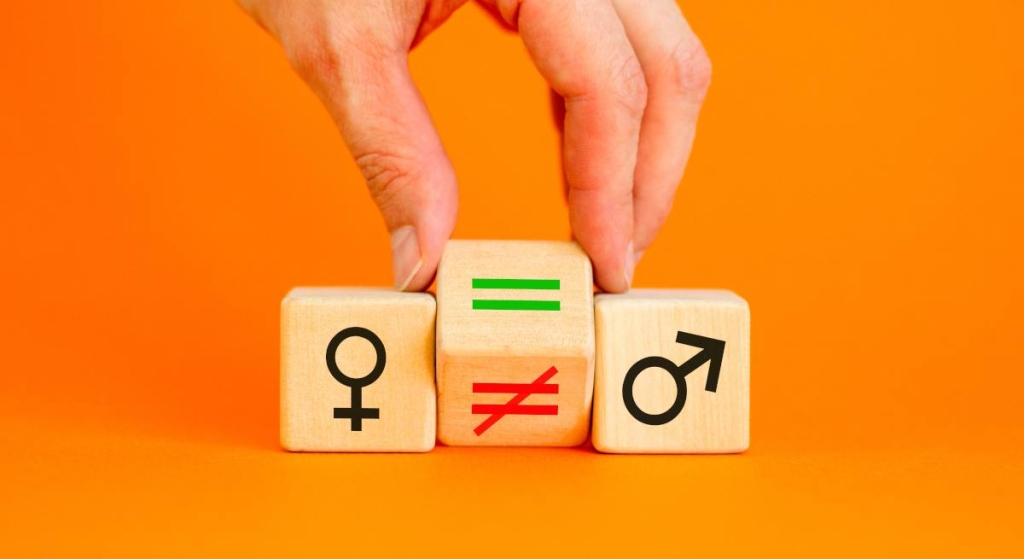
Ireland’s Digital Gender Gap: A Wake-Up Call for the Tech Industry
In a startling revelation, Ireland has been identified as having Europe’s most significant gender disparity in advanced digital skills usage in the workplace. A groundbreaking report from the Economic and Social Research Institute (ESRI), developed in partnership with Block W, has exposed a digital skills chasm that threatens Ireland’s economic competitiveness and social progress.
The numbers paint a stark picture: while 44% of men in Ireland utilize advanced digital skills in their professional roles, only 18% of women do the same. This 26% gap is nearly double the European average, signaling a systemic issue that goes beyond simple educational disparities.
Professor Joyce O’Connor, co-founder and chair of Block W, minced no words in her assessment: “In an economy close to full employment, and one that relies heavily on international ICT talent, failing to fully utilize the advanced digital capability of women already in the labor market is inefficient and unsustainable.”
The report’s findings suggest that the issue is multifaceted and deeply embedded in Ireland’s workplace culture. While differences in job types between men and women explain a portion of the gap, a substantial percentage remains unexplained, hinting at deeper structural, cultural, and organizational barriers specific to Ireland’s labor market.
Age emerges as another critical factor. Younger women under 35 face larger digital skill gaps compared to their older counterparts, indicating that this isn’t a legacy problem but a current, pressing challenge. Dr. Adele Whelan, a senior research officer at ESRI, emphasized, “These gender gaps persist even among women and men with similar education levels, fields of study, and occupations.”
The report highlights a potential “digital glass ceiling” within workplaces, where women are systematically underrepresented in the most digitally intensive roles. This isn’t just a gender equality issue; it’s an economic imperative. As Ireland strives to maintain its competitive edge in the global tech landscape, the underutilization of women’s digital capabilities represents a significant missed opportunity.
The implications are profound. Ireland’s tech industry, which has been a cornerstone of its economic success, risks stagnation if it cannot effectively harness the full potential of its workforce. The current approach of simply encouraging women into STEM education and occupations is insufficient. A more holistic strategy is needed, one that addresses the nuanced barriers women face in developing and applying advanced digital skills.
Professor O’Connor’s closing remarks serve as a clarion call: “For Ireland, these findings should give us pause. Competitiveness, innovation, and resilience depend not only on investment and infrastructure but on what happens inside workplaces: how advanced digital work is designed and allocated, whose expertise is trusted, and who gets access to high-value opportunities.”
The report concludes with a clear message: closing the gender gap in digital skill use at work requires more than just increasing women’s participation in STEM education or occupations. It demands a fundamental reevaluation of workplace structures, task allocation, and progression mechanisms within firms.
As Ireland continues to position itself as a global tech hub, addressing this digital gender gap is not just a matter of social justice but of economic survival. The country’s future competitiveness, innovation, and inclusive economic growth depend on its ability to unlock the full potential of its entire workforce.
The ESRI’s research provides a timely evidence base to inform the Updated National Digital and AI Strategy and wider policy action. It’s a wake-up call for policymakers, industry leaders, and educators alike to collaborate on creating a more inclusive digital landscape.
As we move forward, the question remains: Will Ireland rise to the challenge and transform this digital gender gap from a liability into an opportunity? The answer will shape not just the future of women in tech, but the very fabric of Ireland’s economic and social progress in the digital age.
GenderGap #DigitalSkills #WomenInTech #STEM #IrelandTech #WorkplaceEquality #DigitalEconomy #AIStrategy #EconomicGrowth #TechIndustry #GenderEquality #DigitalTransformation #WorkforceDevelopment #InclusiveTech #FutureOfWork #DigitalSkillsGap #WomenInSTEM #TechLeadership #EconomicCompetitiveness #DigitalInnovation
,


Leave a Reply
Want to join the discussion?Feel free to contribute!