
Is £70 becoming harder to justify? The rise of cheaper blockbuster games
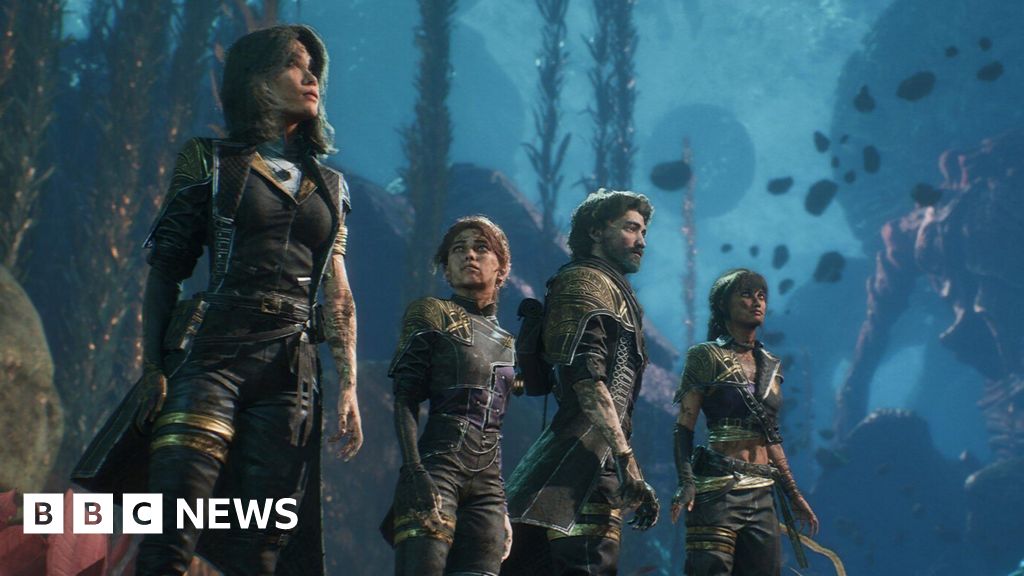
Industry Titans Eyeing $100 Price Tags as Indie Devs Push Back with Affordable Alternatives
The video game industry stands at a potential turning point as speculation mounts over Rockstar Games’ Grand Theft Auto VI possibly launching with a $100 price tag—a figure that would shatter current AAA pricing conventions and potentially reshape the entire market. Industry analysts suggest this bold pricing strategy could become the new normal for blockbuster titles, while simultaneously creating an unprecedented opportunity for independent developers to capture market share through deliberately accessible pricing models.
The $100 Question: Luxury Gaming or Market Suicide?
For decades, the standard retail price for major video game releases has hovered around $60 in the United States, with occasional special editions pushing toward $80. However, the astronomical development costs associated with modern AAA titles have led some publishers to seriously consider breaking this psychological price barrier.
Rockstar Games, the developer behind the phenomenally successful Grand Theft Auto franchise, has reportedly been exploring the possibility of launching GTA VI at $100 for the base edition. Sources close to the development suggest the company believes fans will accept the premium price point given the game’s anticipated scope, technological advancements, and the six-year development cycle since GTA V’s release.
The math appears straightforward on paper. GTA V generated over $6 billion in revenue since its 2013 launch, making it the most profitable entertainment product in history. If even a fraction of those players accept a $40 price increase, the financial windfall could be staggering. Industry insiders suggest the game’s budget may exceed $1 billion, necessitating higher returns to justify the investment.
The Ripple Effect: Could $100 Become the New Normal?
Market analysts are divided on whether such a pricing strategy would remain isolated to Rockstar’s flagship franchise or trigger a cascade effect throughout the industry. Historically, when major publishers successfully implement new pricing models, competitors often follow suit to avoid appearing as offering inferior value propositions.
“If Rockstar successfully launches GTA VI at $100 and consumers accept it, we could see a fundamental restructuring of game pricing across the entire industry,” explains Dr. Marcus Chen, professor of Digital Economics at Stanford University. “Other publishers would face enormous pressure to match these price points to maintain perceived quality parity.”
However, the risk of consumer backlash remains substantial. Gaming communities have shown remarkable price sensitivity in recent years, with successful resistance movements against practices like loot boxes and excessive microtransactions. A $100 base price could trigger the most significant consumer revolt in gaming history if perceived as pure profit maximization rather than value delivery.
The Indie Advantage: Opportunity in Accessibility
While industry giants contemplate premium pricing strategies, independent developers are positioning themselves as champions of affordability. Many indie studios view the potential $100 price point not as a threat, but as a massive opportunity to capture market share through accessible pricing and genuine value propositions.
“Independent developers have always thrived when the market creates gaps,” notes Sarah Rodriguez, founder of multiple successful indie studios. “If AAA publishers push prices to $100, they’re essentially creating a vacuum that we can fill with quality games at reasonable prices.”
This strategic positioning extends beyond mere price competition. Indie developers emphasize the value proposition of their games, highlighting factors like absence of microtransactions, complete experiences without day-one DLC, and direct developer-to-player relationships that larger publishers cannot replicate.
The Technology Factor: Development Costs vs. Consumer Expectations
The push toward higher prices stems from genuine economic pressures facing game development. Modern AAA titles require massive teams working for years, with budgets that rival Hollywood blockbusters. Advanced graphics, expansive open worlds, sophisticated AI systems, and cross-platform compatibility all contribute to development costs that continue to escalate exponentially.
However, consumers increasingly question whether these technological advancements translate to proportional increases in entertainment value. Many players argue that gameplay innovation has stagnated despite graphical improvements, creating a disconnect between development costs and perceived value.
“The technology arms race in gaming has reached a point where the returns diminish significantly,” argues game design consultant Michael Thompson. “Players care more about engaging experiences than marginal graphical improvements that justify doubling the price.”
Market Segmentation: Different Games for Different Budgets
Industry experts suggest the future may involve clearer market segmentation rather than uniform pricing across all games. Premium titles with massive budgets and extensive development cycles might command higher prices, while mid-tier and indie games maintain more accessible price points.
This approach mirrors other entertainment industries where different products occupy different price tiers. Movie theaters charge premium prices for IMAX and 3D showings while maintaining standard pricing for regular screenings. Similarly, the gaming market could evolve to accommodate both luxury gaming experiences and budget-friendly alternatives.
Consumer Behavior: The Ultimate Arbiters
Ultimately, consumer purchasing decisions will determine whether $100 games become standard or represent a failed experiment. Gaming communities have demonstrated remarkable collective action when opposing practices they deem unfair, suggesting publishers would proceed cautiously with such a significant price increase.
Market research indicates that while dedicated fans might accept premium pricing for highly anticipated titles, broader market segments could retreat to more affordable alternatives. This potential shift could accelerate the already growing trend of players exploring indie titles, subscription services, and free-to-play models.
The Subscription Wildcard
The rise of subscription gaming services adds another layer of complexity to pricing discussions. Services like Xbox Game Pass, PlayStation Plus, and various PC subscription platforms offer access to extensive game libraries for monthly fees that often cost less than a single traditional game purchase.
If AAA publishers pursue $100 price points, subscription services could become even more attractive to cost-conscious consumers. This dynamic might force publishers to reconsider premium pricing strategies or develop alternative monetization approaches that work within subscription frameworks.
Global Market Considerations
The feasibility of $100 games varies significantly across global markets. While North American and Western European consumers might grudgingly accept higher prices, markets in Asia, South America, and developing regions could prove far more resistant. This geographic disparity could lead to complex pricing strategies involving regional variations that risk consumer confusion and potential backlash.
The Developer Perspective: Creative Freedom vs. Financial Pressure
Beyond the business implications, many developers express concern about how premium pricing pressures affect creative decisions. Higher price points create expectations for longer playtimes, more content, and reduced creative risks—potentially stifling innovation in favor of proven formulas that justify the investment.
Independent developers often cite creative freedom as their greatest advantage over larger studios, suggesting that reasonable pricing enables more experimental and innovative game design without the pressure of meeting blockbuster sales expectations.
Looking Forward: A Bifurcated Industry?
The coming years may witness the emergence of a bifurcated gaming industry where premium-priced AAA experiences coexist with affordable indie alternatives. This market structure could benefit consumers by providing options across different price points while enabling diverse creative expressions across the development spectrum.
However, the transition could prove challenging, with potential casualties among mid-tier developers unable to compete at either the premium or budget ends of the market. The industry may need to find new sustainable models that support creative development without pushing prices to potentially prohibitive levels.
The speculation surrounding GTA VI’s pricing represents more than just curiosity about one game’s cost—it signals potential fundamental changes in how the gaming industry values its products and how consumers respond to those valuations. As the market evolves, both developers and players will need to navigate these changes thoughtfully to ensure the continued health and diversity of gaming as an art form and entertainment medium.
100GamePrice #GamingIndustry #GTAVI #IndieGames #AffordableGaming #GameDevelopment #VideoGamePricing #GamingNews #TechNews #GameCosts #DigitalEntertainment #GamingCommunity #GameSubscription #AAA Games #IndieDev #GamingFuture #MarketTrends #GameEconomics #PlayerChoice #GamingAccessibility
,

Leave a Reply
Want to join the discussion?Feel free to contribute!