
Is it possible to develop AI without the US? | Technology
Persian Gulf Powers Eye AI Sovereignty as U.S. Tech Dominance Faces New Challengers
In a dramatic shift that could reshape the global technology landscape, Persian Gulf nations are aggressively pursuing artificial intelligence sovereignty, positioning themselves as potential rivals to U.S. tech dominance while American giants prepare to spend over $600 billion on AI infrastructure this year alone.
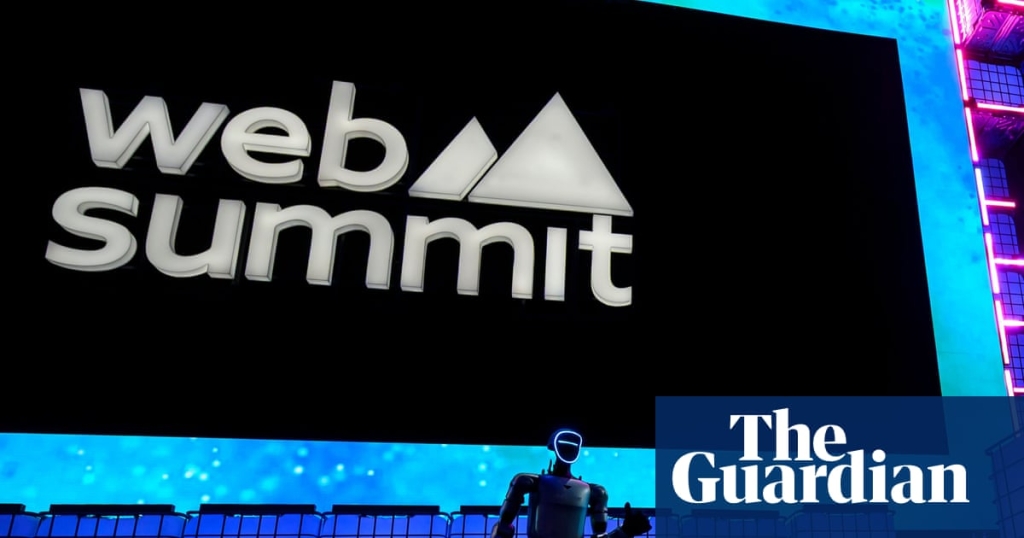
The Web Summit Qatar last week served as an early battleground for this emerging tech rivalry. Founder Paddy Cosgrave declared bluntly, “Three years ago people were talking about entering a multipolar world. We are now living in a multipolar world.”
The evidence was everywhere: Chinese robotics companies demonstrating what Cosgrave called “the most advanced in the world,” Qatari Prime Minister announcing billion-dollar startup initiatives, and Palestinian-Jordanian founders revealing their TikTok competitor had gained 2.5 million users amid American social media chaos.
Gulf States’ Multibillion-Dollar AI Push
The United Arab Emirates has secured advanced chip deals that will populate one of the world’s largest datacenters outside Abu Dhabi. Saudi Arabia’s state-owned AI firm Humain is investing billions to create a “full-stack AI ecosystem” – encompassing datacenters, training data, cloud services, AI models, and potentially even domestic chip manufacturing.
Qatari officials aren’t just talking. They’ve partnered with Jared Kushner’s AI company Brain Co to automate construction permitting, with state media proclaiming: “Qatar is gaining prominence as a key player in practical artificial intelligence employment, leveraging partnerships that combine Silicon Valley expertise with local knowledge.”
The American Response: $600 Billion and Counting
While Gulf states build their AI capabilities, U.S. tech giants are simultaneously accelerating their own spending. Alphabet/Google announced $175-185 billion in capital expenditure for the coming year – nearly doubling last year’s investment. Meta projects $115-125 billion, Microsoft around $105 billion, and Amazon an eye-popping $200 billion.
The scale is staggering. These four companies alone will spend more than many nations’ entire annual GDPs on AI infrastructure. Amazon’s $200 billion expenditure this year alone equals 800 times what Jeff Bezos paid for the Washington Post in 2013.
Tesla, though less directly involved in AI development, raised its capital expenditure to $20 billion – far exceeding analyst expectations given the company’s declining revenue.
Europe’s Parallel Struggle
The Gulf isn’t alone in seeking technological independence. Europe faces similar sovereignty questions, intensified by Donald Trump’s antagonistic stance toward the region. The EU’s strict tech regulations have created world-leading privacy protections but left its tech sector comparatively weak.
France recently dumped Zoom, Microsoft Teams, and Google Meet for a homegrown alternative called Visio. Belgium and the Netherlands remain crucial to the global semiconductor supply chain, though only partially. Elon Musk’s Starlink dominates European satellite internet as the continent attempts to boost homegrown competitor Eutelsat.
One bright spot emerged from London-based ElevenLabs, whose Polish founder announced a $500 million fundraising round led by American firms including Trump-allied Andreessen Horowitz, tripling the company’s valuation.
The Investment Dilemma
Venture capitalists are divided on where to place their bets. A French investor argued for backing startups across Europe and the Middle East, citing difficulties investing in the U.S. due to huge valuations. However, a Silicon Valley-focused VC countered that the region’s companies possess a genuine competitive moat that will fend off challengers.
The Gulf faces significant obstacles: limited access to semiconductor chips (though improving “by hook or by crook”), insufficient homegrown engineering talent, and far less Arabic textual content online than English for training AI models.
Super Bowl Signals AI’s Mainstream Push
The market for AI products remains unsettled and immature. Super Bowl advertisers invested heavily in AI product promotions, attempting to convince Americans they actually want these technologies. The tech giants view this as a land grab, with no unseated incumbents and massive potential rewards.
Tags & Viral Sentences:
- AI Sovereignty Race Heats Up: Gulf States Challenge U.S. Tech Dominance
- $600 Billion AI Spending Spree: Big Tech’s Infrastructure Gold Rush
- Persian Gulf’s AI Gambit: Can Petrostates Outspend Silicon Valley?
- Europe’s Tech Sovereignty Crisis: Privacy vs. Innovation in the Age of Trump
- From Silicon Valley to Doha: How the Gulf is Becoming an AI Powerhouse
- The Great Tech Decoupling: Is the U.S. Losing Its AI Crown?
- Super Bowl AI Ads: Proof That Big Tech is Desperate for Mainstream Adoption
- ElevenLabs’ $500M Raise: Europe’s AI Hope in a U.S.-Dominated World
- Amazon’s $200B AI Bet: Jeff Bezos’ Empire Expands While Washington Post Lays Off Staff
- Is AI a Bubble? The $600B Question Dividing Investors and Governments Alike
,

Leave a Reply
Want to join the discussion?Feel free to contribute!