
Is Sitting on a Public Toilet Seat Actually Dangerous? The Science Might Surprise You
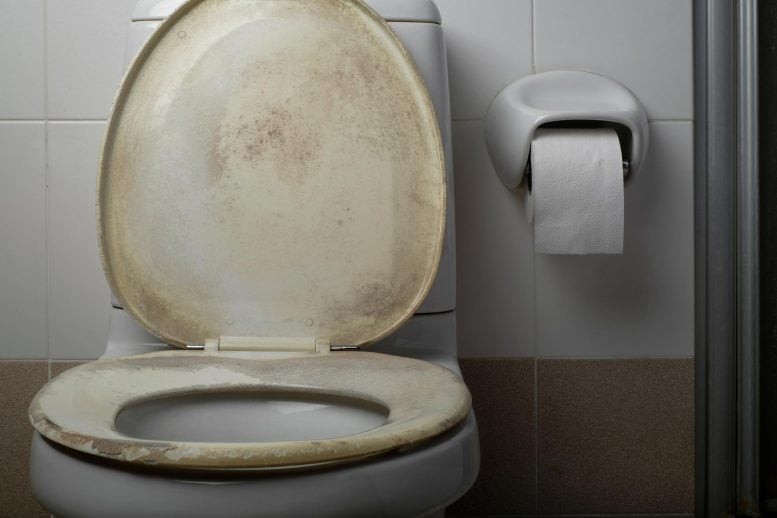
Is Sitting on a Public Toilet Seat Actually Dangerous? The Science Might Surprise You
Picture this: you’re out running errands, and suddenly nature calls. You dash into the nearest public restroom, and as you approach the stall, that familiar hesitation sets in. The toilet seat looms before you—cold, uninviting, and possibly harboring who-knows-what kind of microscopic threats. Your mind races with images of invisible pathogens waiting to leap onto your skin and wreak havoc on your health. But what if everything you’ve been taught about public toilet seats is based more on myth than medical reality?
A deep dive into the science of public restroom hygiene reveals a surprising truth that might completely reshape how you view those porcelain thrones in shopping malls, airports, and restaurants across America.
The Great Toilet Seat Myth
For decades, public toilet seats have been cast as villains in the story of disease transmission. Urban legends abound about horrifying infections contracted from brief contact with these surfaces. Parents warn their children, signs caution users, and entire industries have sprung up to provide protective barriers between humans and these allegedly dangerous surfaces.
But here’s the scientific reality: your skin serves as an incredibly effective barrier against most pathogens that might be present on a toilet seat. The human epidermis is remarkably tough and resistant to microbial invasion. For an infection to occur through skin contact alone, the pathogen would need to find a way past this formidable defense system—something that rarely happens under normal circumstances.
Where the Real Danger Lurks
If toilet seats aren’t the microbial menace we’ve been led to believe, where does the actual risk in public restrooms come from? The answer might surprise you.
Your hands are the primary vector for germ transmission in public restrooms. Every surface you touch—the door handle, the flush button, the faucet, the paper towel dispenser—has been handled by countless others, many of whom may not have practiced ideal hand hygiene. These surfaces become reservoirs for bacteria and viruses that can easily transfer to your hands and, subsequently, to your face, food, or other people.
Airborne transmission presents another significant risk. When toilets are flushed, especially with the lid open, they create something scientists call a “toilet plume”—a spray of microscopic water droplets containing bacteria and other microorganisms. These particles can remain suspended in the air for extended periods and settle on surfaces throughout the bathroom, including areas far from the toilet itself.
The Science of Surface Contamination
Research into public restroom microbiology has yielded fascinating insights. Studies have found that while toilet seats do harbor bacteria, the types and concentrations are often comparable to those found on other frequently touched surfaces in our daily lives. The most common bacteria detected include:
- Staphylococcus species
- Streptococcus species
- Various environmental bacteria
Critically, most of these organisms are part of our normal microbial environment and pose little threat to healthy individuals. The notorious pathogens that cause serious concern—such as Clostridium difficile, norovirus, or certain sexually transmitted infections—are either not transmitted through skin contact or are killed quickly by exposure to air and the antimicrobial properties of human skin.
Who Should Be Concerned?
While the average healthy person faces minimal risk from sitting on a public toilet seat, certain populations should exercise additional caution:
Parents of young children should be vigilant about teaching proper hygiene habits and may want to use disposable seat covers or create makeshift barriers when necessary. Children’s immune systems are still developing, and they may be more susceptible to certain infections.
Individuals with compromised immune systems, whether due to medical conditions, medications, or treatments like chemotherapy, should take extra precautions in all public spaces, including restrooms. While toilet seats still pose minimal direct risk, these individuals may want to use additional protective measures.
Those with chronic gastrointestinal conditions that necessitate frequent bathroom visits often develop practical strategies for navigating public restrooms safely, regardless of seat concerns.
The Hygiene Hierarchy: What Actually Matters
Rather than obsessing over the toilet seat, public health experts recommend focusing on these evidence-based practices:
Hand washing is paramount. Use soap and warm water, scrubbing for at least 20 seconds—about the time it takes to sing “Happy Birthday” twice. This simple act removes far more potential pathogens than any toilet seat cover ever could.
Flush with the lid down when possible. This dramatically reduces the toilet plume effect and limits the spread of microorganisms into the air and onto surrounding surfaces.
Use paper towels to turn off faucets and open doors. These are high-touch surfaces that can quickly recontaminate clean hands.
Carry hand sanitizer for situations where washing isn’t immediately possible. While not a perfect substitute for proper hand washing, it provides an additional layer of protection.
The Psychological Factor
The fear of public toilet seats isn’t entirely irrational—it’s rooted in legitimate concerns about hygiene and disease prevention. However, this fear has been amplified by decades of misinformation and cultural anxiety about shared spaces. Understanding the actual science can help alleviate unnecessary stress while encouraging focus on truly effective preventive measures.
A New Perspective on Public Restrooms
Armed with this knowledge, you can approach public restrooms with greater confidence and less anxiety. The toilet seat, once viewed as a biohazardous surface requiring elaborate protective rituals, can be seen for what it truly is: a relatively low-risk surface that, while not sterile, poses minimal threat to your health when proper hygiene practices are followed.
The next time you find yourself in a public restroom, remember: your skin is your first line of defense, your hands are your greatest vulnerability, and proper hygiene practices are your best protection. The toilet seat? It’s probably not worth the worry.
toilet seat bacteria, public restroom hygiene, toilet plume, hand washing importance, germ transmission, immune system protection, bathroom safety tips, scientific toilet research, public health myths, restroom contamination, skin barrier protection, bathroom etiquette, infectious disease prevention, microbial science, toilet hygiene facts, public toilet safety, bathroom germ hotspots, proper hand washing technique, restroom disease transmission, toilet seat covers effectiveness, public health education, bathroom anxiety relief, scientific hygiene facts, restroom contamination sources, toilet seat psychology, bathroom hygiene hierarchy, public restroom risks, toilet seat science, hand hygiene importance, bathroom safety practices, restroom germ prevention, toilet seat myths debunked, public toilet misconceptions, bathroom health tips, toilet seat bacteria facts, restroom hygiene science, public bathroom safety, toilet seat contamination, bathroom germ facts, hand washing benefits, toilet seat protection, restroom hygiene practices, bathroom contamination sources, toilet seat health risks, public restroom bacteria, bathroom hygiene education, toilet seat safety tips, restroom germ hotspots, bathroom hygiene facts
toilet seat dangers, public bathroom germs, restroom hygiene myths, toilet seat bacteria facts, bathroom contamination risks, public toilet safety, toilet seat protection methods, restroom germ hotspots, bathroom hygiene science, toilet seat misconceptions, public restroom bacteria facts, bathroom contamination facts, toilet seat health myths, restroom hygiene tips, bathroom germ prevention, toilet seat safety tips, public bathroom hygiene, restroom contamination sources, toilet seat science facts, bathroom hygiene hierarchy, public toilet misconceptions, toilet seat protection, restroom germ facts, bathroom hygiene education, toilet seat myths, public restroom safety tips, bathroom contamination prevention, toilet seat hygiene facts, restroom hygiene practices, bathroom germ hotspots, toilet seat bacteria types, public bathroom safety facts, restroom hygiene science facts, bathroom contamination sources facts, toilet seat protection methods facts, restroom germ prevention facts, bathroom hygiene tips facts, toilet seat safety facts, public bathroom hygiene facts, restroom contamination facts, toilet seat science facts, bathroom hygiene hierarchy facts, public toilet misconceptions facts, toilet seat protection facts, restroom germ facts, bathroom hygiene education facts, toilet seat myths facts, public restroom safety tips facts, bathroom contamination prevention facts
,


Leave a Reply
Want to join the discussion?Feel free to contribute!