
Israel Arrests Members of Military for Placing Polymarket Bets Using Inside Information on Upcoming Strikes
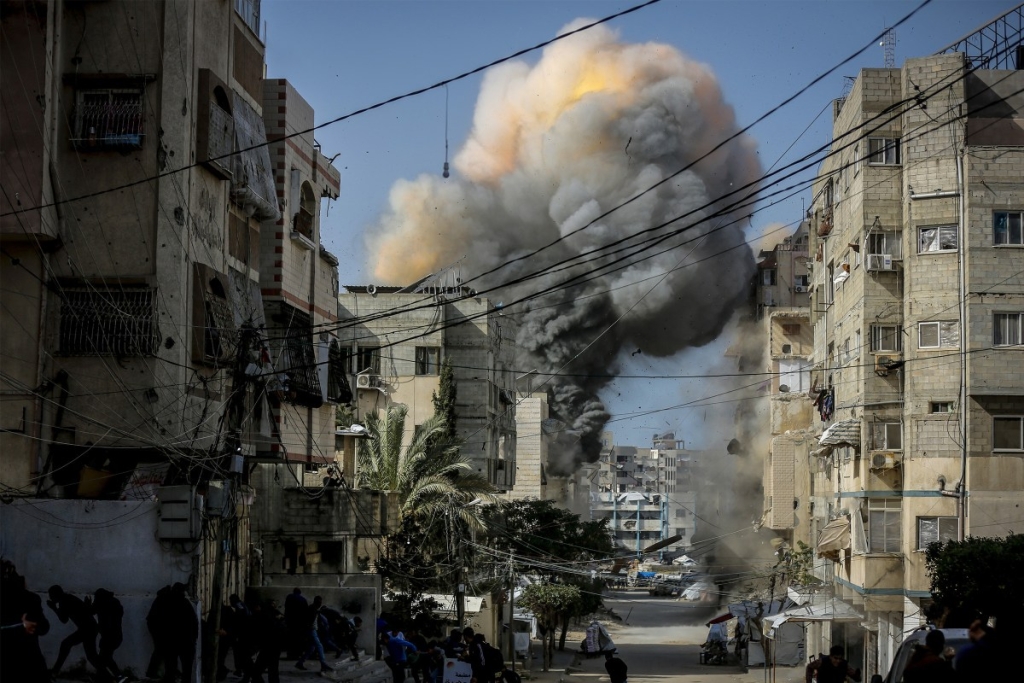
Israeli Soldiers Accused of Using Classified Intel to Bet on Military Strikes via Polymarket
In a scandal that has sent shockwaves through both the tech and defense communities, several Israeli citizens—including active-duty Israeli Defense Forces (IDF) reservists—have been arrested for allegedly using classified military information to place bets on the Polymarket prediction platform. The revelations, first reported by the Wall Street Journal, have reignited fierce debate over the ethics, security risks, and regulatory oversight of blockchain-based prediction markets.
The “Rico Suave” Account and the $150,000 Windfall
At the center of the controversy is a Polymarket account named “ricosuave666″—a playful nod to the 1990s Latin pop hit by Gerardo Mejía. According to the WSJ, this account made a series of eerily accurate predictions during Israel’s tense 12-day conflict with Iran last June. Over the course of the war, the account placed seven high-stakes bets, correctly forecasting the timing and nature of multiple military strikes. When the dust settled, ricosuave666 had reportedly walked away with over $150,000 in combined winnings.
What made these bets particularly suspicious was not just their accuracy, but their timing. Many were placed hours or even days before official announcements or public reports of the strikes. This led to widespread speculation—and now, official investigations—into whether the bettor had access to non-public, classified military intelligence.
Dormant, Then Reawakened
After its initial winning streak, the ricosuave666 account went dormant for approximately six months. It reactivated in January 2026, this time placing bets related to potential future Israeli strikes on Iran. While Israel did carry out numerous military operations in January—including strikes in Gaza and evacuation warnings in southern Lebanon—no direct attack on Iranian soil was reported. Nevertheless, the account’s sudden resurgence only deepened suspicions.
Following the WSJ report, the ricosuave666 account appears to have been deleted or scrubbed from the platform, and Polymarket has not commented publicly on the matter. The publication also did not confirm whether ricosuave666 was among the accounts under official investigation.
A Growing Pattern of “Improbable” Wins
This case is not an isolated incident. Polymarket has faced increasing scrutiny over a series of high-profile bets that seemed to defy statistical probability. In one infamous example, a bettor placed a large wager just hours before the U.S. military’s controversial operation to kidnap Venezuelan President Nicolás Maduro—an event that shocked the world and netted the bettor a massive payout.
Similarly, another bettor appeared to have foreknowledge of major entertainment industry moves, such as the Super Bowl halftime show lineup, raising questions about whether insiders across various sectors are exploiting prediction markets for personal gain.
The Broader Implications for Prediction Markets
The Israeli case is poised to become the poster child for the systemic vulnerabilities of prediction markets. Critics argue that platforms like Polymarket are fundamentally flawed because they allow users to bet on real-world events—including acts of war, political upheaval, and even acts of terrorism—without adequate safeguards against insider trading or the misuse of classified information.
Unlike traditional financial markets, which are heavily regulated and monitored by government agencies, prediction markets operate in a largely unregulated space. This makes them fertile ground for abuse, particularly when participants have access to privileged information.
Moreover, the very premise of betting on violent or destabilizing events raises profound ethical questions. Should individuals be allowed to profit from war, political assassinations, or other forms of human suffering? And what happens when those profiting are the very people responsible for carrying out those acts?
The Security Angle: A National Threat?
From a national security perspective, the implications are even more troubling. If military personnel or intelligence officers are using their access to classified information to place bets, it suggests a serious breach in operational security. Such behavior could not only compromise ongoing missions but also expose sensitive tactics, techniques, and procedures to foreign adversaries monitoring these platforms.
In Israel’s case, the involvement of IDF reservists is particularly concerning. Reservists often have access to current intelligence and operational plans, making them potentially valuable—and dangerous—insiders if they choose to exploit that access for personal gain.
Regulatory and Industry Response
The scandal has prompted calls for immediate regulatory action. Lawmakers in the United States and Europe are reportedly considering new legislation to bring prediction markets under the purview of existing financial oversight bodies, such as the Commodity Futures Trading Commission (CFTC) or the Securities and Exchange Commission (SEC).
Polymarket, for its part, has stated that it takes the integrity of its platform seriously and is cooperating with authorities. However, critics argue that self-regulation is insufficient and that only robust, government-mandated oversight can prevent future abuses.
The Future of Prediction Markets
As blockchain technology continues to evolve, prediction markets are likely to become even more sophisticated—and potentially more dangerous. The ability to create decentralized, censorship-resistant platforms means that even if major players like Polymarket are regulated or shut down, new, harder-to-control alternatives will inevitably emerge.
The challenge for regulators, tech companies, and society at large will be to strike a balance between innovation and security, between the promise of decentralized prediction markets and the very real risks they pose.
Viral Tags & Phrases:
- “ricosuave666”
- “Israeli soldiers accused of insider trading”
- “betting on war crimes”
- “Polymarket scandal”
- “classified intel for crypto gains”
- “war profiteering 2.0”
- “military insiders on the blockchain”
- “the Rico Suave of prediction markets”
- “betting on bloodshed”
- “IDF reservists in hot water”
- “the dark side of decentralized betting”
- “when war becomes a game”
- “crypto meets classified”
- “the $150,000 question”
- “prediction markets under fire”
- “betting on bombs”
- “the new insider trading”
- “war, what is it good for? Profit.”
- “the Polymarket paradox”
- “betting on chaos”
- “the future of gambling is here—and it’s terrifying”
- “when your military intel pays off in crypto”
- “the ethics of betting on human suffering”
- “the wild west of Web3 betting”
- “the Rico Suave scandal”
- “betting on the unthinkable”
- “the price of a prediction”
- “war by another name: speculation”
- “the Polymarket problem”
- “when the house always wins—because it knows the future”
,


Leave a Reply
Want to join the discussion?Feel free to contribute!