
It’s a new heyday for gas thanks to data centers
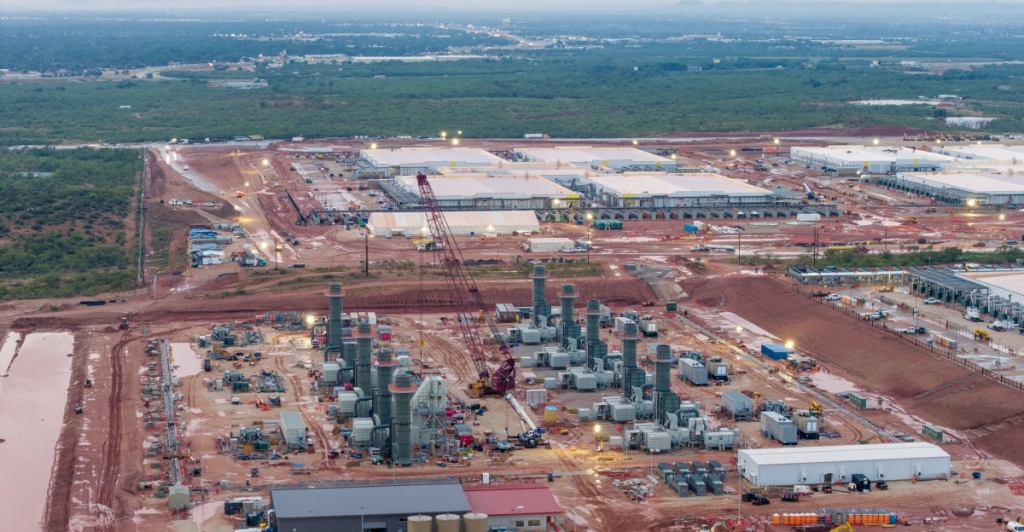
The United States Leads Global Surge in Gas Power Plants to Fuel AI Data Centers
The United States has emerged as the global leader in new gas power plant development, with a 31% increase in gas-fired power generation projects worldwide in 2025. This dramatic expansion is largely driven by the explosive growth of data centers powering artificial intelligence applications, according to a comprehensive analysis by Global Energy Monitor (GEM).
America Surpasses China in Gas Plant Development
In a significant shift, the US has now surpassed China as the country with the largest increase in new gas power capacity. Nearly a quarter of the global increase in gas-fired power generation is slated for the United States, with data centers accounting for more than a third of this growth. This marks a pivotal moment in the global energy landscape, as the nation that once championed renewable energy transitions now leads the charge in fossil fuel expansion.
“The US is betting big on data centers,” says Jenny Martos, project manager for GEM’s Global Oil and Gas Plant Tracker. “There is a risk that this capacity could lock in future emissions and become stranded assets if anticipated electricity demand from AI never materializes.”
The AI Energy Demand Explosion
The rapid expansion of data centers, particularly those running generative AI systems, has created unprecedented electricity demand forecasts. Tech giants are racing to install more powerful hardware into expanding data centers, with some projections suggesting electricity consumption could increase dramatically over the next decade.
However, there’s considerable uncertainty about whether AI will become as ubiquitous in daily life as technology companies hope. Many proposed data centers might never materialize, yet the infrastructure being built to support them could have lasting environmental consequences.
A Return to Fossil Fuels
This surge in gas plant development represents a sharp pivot away from global climate goals. Just a decade ago, nearly every nation on Earth—including the US and China, the world’s two largest greenhouse gas emitters—signed the historic Paris Agreement to limit global warming. The agreement’s most ambitious goals require replacing fossil fuels with cleaner alternatives like renewable energy and slashing greenhouse gas emissions to net zero by around 2050.
Instead, the US is experiencing what some analysts are calling a “second shale gas revolution.” The country’s fracking boom in the 2000s unlocked vast reserves of previously inaccessible natural gas, making it cheaper than coal and a seemingly attractive bridge fuel. While gas produces less carbon dioxide than coal when burned, it comes with its own environmental challenges—particularly methane emissions, which are far more potent as greenhouse gases in the short term.
Record-Breaking Year Ahead
The year 2026 is shaping up to be a record-smashing year for gas power development. If all proposed projects currently in the pipeline are completed, the increase in added capacity would surpass the record set in 2002 during the height of America’s first shale gas boom.
This expansion comes despite growing concerns about climate change and the increasing viability of renewable energy sources. Solar and wind power have become increasingly cost-competitive with fossil fuels, yet the immediate power demands of AI data centers are driving investment decisions toward gas infrastructure that could lock in emissions for decades to come.
The Stranded Asset Risk
Energy experts warn that the rapid buildout of gas infrastructure to support AI data centers could result in significant stranded assets—investments that become obsolete or uncompetitive before their expected lifespan ends. This risk is particularly acute given the volatile nature of technology markets and the uncertain trajectory of AI adoption.
“If AI doesn’t grow as fast as predicted, or if renewable energy costs continue to fall faster than expected, we could see a lot of expensive gas plants sitting idle,” Martos explains. “That’s not just bad for the climate—it’s bad economics.”
Global Implications
The US leadership in gas plant development has ripple effects across the global energy market. Other countries are watching closely, and some are already following suit. The message being sent is that immediate energy needs trump long-term climate commitments, potentially undermining international efforts to combat climate change.
As the world grapples with the dual challenges of meeting growing energy demand and reducing greenhouse gas emissions, the US decision to prioritize gas power for AI data centers represents a critical juncture. The choices made today will shape the energy landscape for decades to come, with profound implications for both technological progress and environmental sustainability.
Tags: AI energy demand, data centers, gas power plants, climate change, fossil fuels, renewable energy, methane emissions, Paris Agreement, stranded assets, shale gas, Global Energy Monitor, Jenny Martos, US energy policy, AI infrastructure, greenhouse gases
Viral Sentences:
- The US has tripled gas power plans to meet data center demand
- America’s AI boom is fueling a fossil fuel resurgence
- Data centers could lock in decades of planet-heating pollution
- The AI energy gamble: betting billions on uncertain demand
- Gas vs. renewables: the hidden cost of powering artificial intelligence
- From Paris promises to gas plants: America’s climate U-turn
- Methane emissions: the invisible threat of the AI energy surge
- Stranded assets or climate catastrophe: the gas plant dilemma
- Tech giants’ power hunger drives fossil fuel expansion
- The 2026 gas boom: record-breaking year for planet-warming infrastructure
,

Leave a Reply
Want to join the discussion?Feel free to contribute!