
It’s official: The Pentagon has labeled Anthropic a supply-chain risk
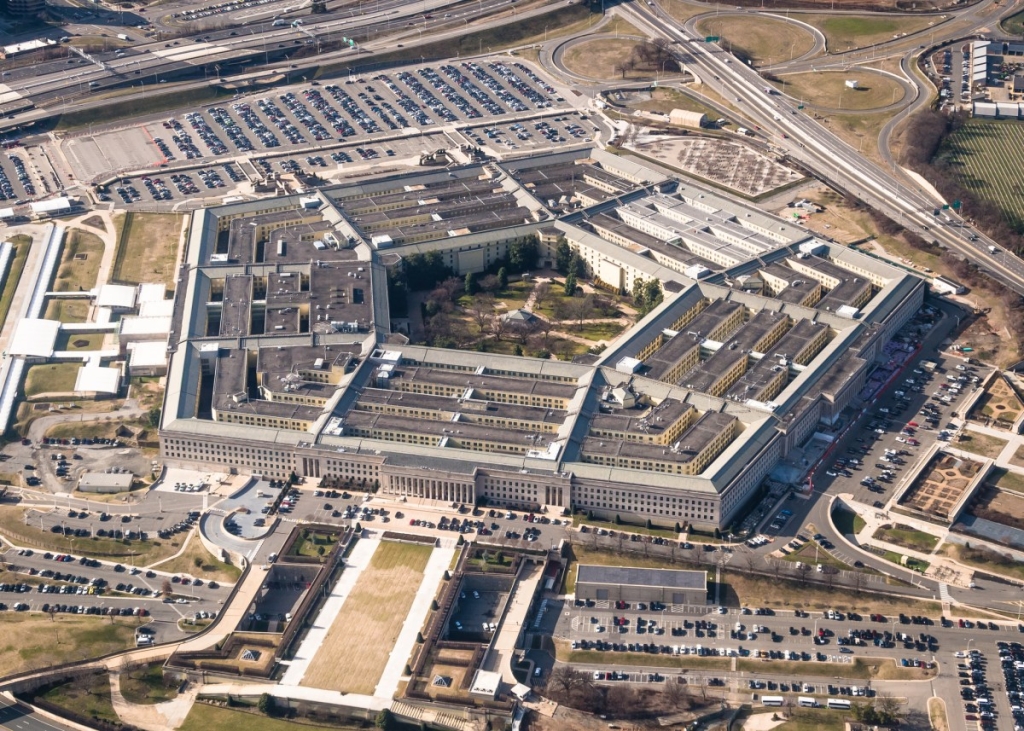
Anthropic vs. The Pentagon: A Tech Cold War Inside America’s Defense Establishment
In a move that’s sending shockwaves through Silicon Valley and Washington D.C., the U.S. Department of Defense has officially designated Anthropic—a leading artificial intelligence research company—as a “supply-chain risk.” This unprecedented designation, typically reserved for foreign adversaries and hostile state actors, marks a dramatic escalation in a growing rift between America’s defense establishment and the tech companies building the AI systems of tomorrow.
According to Bloomberg, which first reported the designation, the Pentagon has notified Anthropic leadership that its products are now considered a security risk within the defense supply chain. The implications are staggering: any Pentagon contractor or agency working with the military must now certify that they do not use Anthropic’s models—a bureaucratic and operational nightmare that threatens to isolate one of America’s most promising AI innovators.
The Roots of the Conflict: Ethics vs. Authority
The designation didn’t come out of nowhere. It follows weeks of escalating tension between Anthropic and the Department of Defense, centered on fundamental disagreements about how AI should be used in military and intelligence operations. At the heart of the dispute lies a question that cuts to the core of modern warfare: who controls the deployment of powerful AI systems, and to what ends?
Anthropic CEO Dario Amodei has taken a firm ethical stance, refusing to allow the military to use his company’s AI systems for two specific purposes: mass surveillance of American citizens and fully autonomous weapons systems that can select and engage targets without human oversight. These aren’t abstract concerns—they represent some of the most controversial applications of AI in modern warfare, touching on civil liberties, international law, and the very nature of human decision-making in conflict.
The Department of Defense, for its part, has argued that its use of AI should not be limited by private contractors. This position reflects a broader frustration within the military establishment about losing control over critical technological capabilities to private companies with their own ethical frameworks and business interests.
Supply-Chain Risk: A Weapon of Last Resort
Supply-chain risk designations are typically reserved for companies with clear ties to foreign adversaries—think Chinese tech firms with alleged government connections or Russian cybersecurity companies operating under state influence. Using this designation against an American company headquartered in San Francisco represents a dramatic departure from established precedent.
The practical implications are severe. The designation requires any company or agency that does work with the Pentagon to certify that it doesn’t use Anthropic’s models. This creates a cascading effect: defense contractors, intelligence agencies, and military units must either abandon Anthropic’s technology or face increased scrutiny and potential exclusion from Pentagon contracts.
For Anthropic, the timing couldn’t be worse. The company has been the only frontier AI lab with systems certified as “classified-ready”—a crucial designation for working with intelligence agencies and military operations requiring the highest levels of security clearance. The U.S. military is currently relying on Anthropic’s Claude AI system in its Iran campaign, where American forces are using AI tools to quickly process and manage vast amounts of operational data.
Claude is one of the main tools installed in Palantir’s Maven Smart System, which military operators in the Middle East rely on for real-time intelligence analysis and decision support. The Pentagon’s designation threatens to disrupt these critical operations, potentially forcing the military to seek alternatives or operate without Anthropic’s technology.
An Unprecedented Move with Far-Reaching Consequences
Critics across the political spectrum have condemned the Pentagon’s actions as an abuse of power and a dangerous precedent. Dean Ball, a former Trump White House AI adviser, has referred to the designation as a “death rattle” of the American republic, arguing that the government has abandoned strategic clarity and respect in favor of “thuggish” tribalism that treats domestic innovators worse than foreign adversaries.
The designation represents more than just a bureaucratic classification—it’s a statement of intent. By labeling Anthropic a supply-chain risk, the Pentagon is essentially declaring that ethical constraints on AI use are unacceptable when they conflict with military objectives. This stance has profound implications for the future of AI development, corporate-government relations, and the balance between innovation and national security.
The Tech Community Fights Back
The controversy has galvanized the broader tech community. Hundreds of employees from OpenAI and Google have urged the DOD to withdraw its designation and called on Congress to push back against what they see as an inappropriate use of authority against an American technology company. These employees have also urged their own leaders to stand together with Anthropic and continue refusing the DOD’s demands to use their AI models for domestic mass surveillance and “autonomously killing people without human oversight.”
This collective action represents a significant shift in the relationship between tech companies and the government. For years, Silicon Valley has maintained a relatively cooperative relationship with Washington on national security matters, with many companies actively pursuing defense contracts. The Anthropic situation suggests that this dynamic may be changing, with tech workers increasingly willing to challenge government demands that conflict with their ethical principles.
OpenAI’s Contrasting Approach: A Deal with Ambiguities
While Anthropic fights the Pentagon’s designation, its main competitor OpenAI has taken a different approach. The company recently forged its own deal with the Department of Defense to allow the military to use its AI systems for “all lawful purposes.” This seemingly straightforward agreement contains significant ambiguities that have raised concerns among some OpenAI employees.
The phrase “all lawful purposes” is particularly troubling because it could potentially encompass exactly the types of uses that Anthropic is trying to avoid. Depending on how “lawful” is interpreted—and under what legal frameworks—this could include mass surveillance operations that might be technically legal under certain circumstances, or autonomous weapons systems that operate within the bounds of international humanitarian law.
Some OpenAI employees have expressed concern about this ambiguity, worried that their company may be enabling applications they find ethically problematic. The contrast between OpenAI’s approach and Anthropic’s stance highlights the fundamental tension between different philosophical approaches to AI development and deployment.
Politics and Personal Dynamics
The dispute has taken on personal and political dimensions that extend beyond the immediate technical and ethical questions. Amodei has called the actions of the DOD “retaliatory and punitive,” and reportedly said his refusal to praise or donate to President Trump contributed to the dispute with the Pentagon.
This allegation, if true, suggests that the conflict may be as much about personal relationships and political loyalty as it is about AI ethics and national security. In an era where technology companies wield enormous influence and their leaders have become significant political figures, the personal dynamics between corporate executives and political leaders can have profound implications for policy and business decisions.
The contrast with OpenAI is stark. OpenAI president Greg Brockman has been a staunch backer of Trump, recently donating $25 million to the MAGA Inc. Super PAC. This political alignment may have facilitated OpenAI’s ability to reach an agreement with the Pentagon, while Anthropic’s more independent stance appears to have made it a target for retaliation.
The Broader Implications for AI Development
The Anthropic-Pentagon conflict represents a critical moment in the evolution of artificial intelligence and its role in society. It raises fundamental questions about the balance between corporate ethics, government authority, and national security imperatives.
Should private companies have the right to refuse government requests that they consider unethical? How should democratic societies balance the need for technological innovation with concerns about civil liberties and human rights? What are the long-term consequences of using supply-chain designations as tools of political or economic pressure?
These questions don’t have easy answers, but the Anthropic situation suggests that we’re entering a new era of tension between the tech industry and government institutions. As AI systems become more powerful and their applications more consequential, these conflicts are likely to become more frequent and more intense.
A Watershed Moment for American Innovation
The designation of Anthropic as a supply-chain risk could have lasting consequences for American technological competitiveness. By effectively punishing a company for adhering to ethical principles, the government may be sending a message to other innovators: ethical constraints are not welcome in the defense ecosystem.
This could lead to a brain drain of talent from companies that prioritize ethical considerations, or it could push more AI development overseas to jurisdictions with different regulatory frameworks. Either outcome would be detrimental to American technological leadership and could have national security implications of its own.
Moreover, the conflict highlights the growing power of tech companies in shaping the future of warfare and intelligence operations. As private companies develop increasingly sophisticated AI systems, they gain leverage over how those systems are used—and governments may find themselves unable to compel compliance with their objectives.
Looking Forward: An Uncertain Future
The Anthropic-Pentagon dispute is far from resolved. The designation remains in place, and Anthropic continues to face significant operational challenges as a result. The tech community’s response suggests that there may be broader resistance to the government’s approach, but whether this resistance will be effective remains to be seen.
What’s clear is that this conflict represents a fundamental shift in the relationship between technology companies and the government. The era of unquestioning cooperation on national security matters may be ending, replaced by a more contentious dynamic where ethical principles, political considerations, and business interests all play crucial roles.
As artificial intelligence continues to advance and its applications become more widespread, these tensions are likely to intensify. The Anthropic situation may be just the first major battle in what could become a long-running conflict over the control, deployment, and ethical boundaries of AI technology.
The outcome of this conflict will shape not just the future of one company, but the broader trajectory of AI development, national security policy, and the balance of power between government and industry in the digital age. As this story continues to unfold, it will be watched closely by policymakers, technologists, and citizens alike, all of whom have a stake in how these fundamental questions are resolved.
Tags: Anthropic, Pentagon, AI ethics, supply chain risk, Dario Amodei, national security, Silicon Valley, government tech relations, autonomous weapons, mass surveillance, OpenAI, Trump administration, military AI, Claude AI, Palantir, Maven Smart System, tech industry politics, corporate ethics, artificial intelligence regulation
Viral Phrases:
- “Death rattle of the American republic”
- “Thuggish tribalism treats domestic innovators worse than foreign adversaries”
- “Retaliatory and punitive actions by the DOD”
- “Ethics vs. Authority: The AI standoff”
- “Silicon Valley vs. The Pentagon”
- “The tech cold war inside America’s defense establishment”
- “When AI ethics collide with military objectives”
- “The $25 million MAGA donation that changed everything”
- “Supply-chain risk designation: A weapon of last resort”
- “Classified-ready systems under fire”
- “Employees unite against government overreach”
- “All lawful purposes: The ambiguous loophole”
- “Refusing to praise or donate: A political liability?”
- “The brain drain of ethical AI developers”
- “AI innovation caught in the crossfire”
,

Leave a Reply
Want to join the discussion?Feel free to contribute!