
I’ve been hands-on with the Google Pixel 10a, and the 9a for AU$570 is looking like the better buy — here’s why
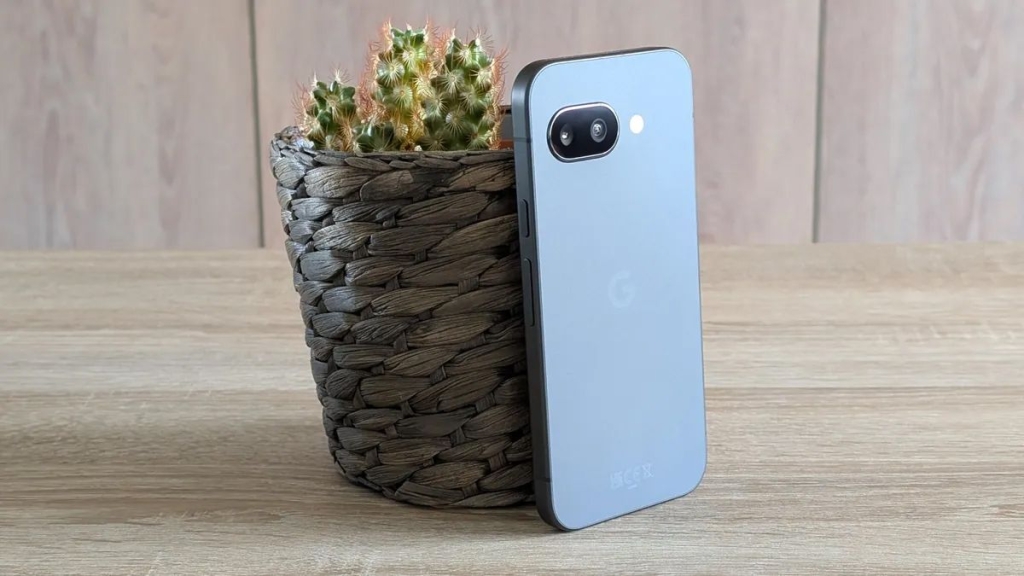
Google’s Pixel 10a: A Budget Phone That’s Too Similar to Its Predecessor
Google’s Pixel A-series has long been a champion of budget-conscious consumers, offering a taste of flagship performance without the flagship price tag. The formula has been simple: use the same Google-made Tensor processor as the top-tier models, but cut costs elsewhere with cheaper materials, modest camera upgrades, and slower charging speeds. For years, this strategy has delivered excellent value, with the Pixel A-series consistently ranking among the best cheap phones available.
However, with the release of the Pixel 10a, Google has made a curious decision that’s left many tech enthusiasts scratching their heads. Instead of upgrading to the newer Tensor G5 chip found in the impressive Pixel 10 lineup, Google has opted to stick with the Tensor G4 processor that powered both the Pixel 9a and Pixel 9 series. This move has resulted in a phone that, on paper, is virtually indistinguishable from its predecessor.
The Same Inside, Slightly Different Outside
Let’s break down what’s changed (and what hasn’t) with the Pixel 10a:
What’s the same:
- Tensor G4 processor
- 8GB RAM
- Camera array (identical to Pixel 9a)
- 5,100mAh battery
- 120Hz refresh rate
- Storage options: 128GB and 256GB
What’s new:
- Completely flat back design (no camera bump)
- More rounded edges
- Gorilla Glass 7i front for improved durability
- Exynos S5400 modem with satellite connectivity
- 30W wired charging (up from 27W)
- New color options: “Berry” and Lavender
The decision to retain the Tensor G4 processor was reportedly made to maintain the Pixel 10a’s $849 price point. While this makes financial sense, it’s disappointing from a technological standpoint. The Tensor G5, which powers the Pixel 10 series, offers significant performance improvements and new AI capabilities that users are missing out on with the 10a.
A Closer Look at the Changes
The most noticeable change is undoubtedly the design. Google has finally done away with the signature camera bump that has been a hallmark of Pixel A-series phones since their inception. The result is a sleek, flat back that sits flush with the chassis, giving the phone a more premium feel. This design shift aligns the 10a more closely with Google’s flagship offerings and addresses one of the few aesthetic criticisms of previous A-series models.
The new “Berry” color option is a standout addition, offering a vibrant alternative to the sea of black and gray devices that dominate the market. It’s a bold choice that’s reminiscent of Apple’s Product(RED) iPhones and the Cosmic Orange iPhone 17 Pro, and it’s sure to appeal to users looking to make a statement with their device.
Under the hood, the Exynos S5400 modem with built-in satellite connectivity is a welcome addition, especially for users in remote areas or those who frequently venture off the beaten path. This feature, which allows for emergency communication via satellite, was previously reserved for flagship devices and represents a significant value add for a budget phone.
The bump in wired charging speed from 27W to 30W might seem minor, but it’s a welcome improvement that will help users top up their devices more quickly. While it still falls short of the charging speeds offered by some competitors, it’s a step in the right direction.
The Software Advantage
One area where the Pixel 10a does have a clear advantage over its predecessor is in software support. Google promises 7 years of software and security updates for the 10a, compared to 6 years for the 9a. This extended support is a significant consideration for users who like to hold onto their devices for as long as possible and ensures that the 10a will remain secure and up-to-date for years to come.
The Elephant in the Room: Pixel 9a Still Available
Here’s where things get really interesting. Despite the release of the Pixel 10a, Google has not discontinued the Pixel 9a. In fact, in Australia, the 9a is currently available at a discounted price of $799, $50 off its original retail price. This creates a dilemma for potential buyers: do you opt for the slightly updated 10a at full price, or save some money on the nearly identical 9a?
In my opinion, unless you’re particularly drawn to the new design or color options, the Pixel 9a represents a better value at its current price point. It offers virtually the same performance and features as the 10a, with the only trade-off being one less year of software support.
The Bigger Picture
The Pixel 10a’s launch raises some interesting questions about Google’s strategy in the budget phone market. By releasing a phone that’s so similar to its predecessor, Google risks alienating consumers who expect yearly updates to bring meaningful improvements. It also creates confusion in the market, with two very similar phones occupying the same price point.
This strategy stands in stark contrast to competitors like Samsung and Apple, who typically offer more significant upgrades in their yearly A-series and iPhone releases, respectively. It’s a risky move that could potentially damage the Pixel brand’s reputation for innovation and value.
Looking Ahead
If Google’s goal was to maintain a competitive price point while still offering a capable device, the Pixel 10a largely succeeds. It’s a solid performer with a great camera, long battery life, and the promise of years of software support. However, the lack of meaningful upgrades over the 9a is hard to ignore.
For now, the Pixel 9a remains the better buy for most consumers, offering nearly identical performance at a lower price point. However, if you’re particularly drawn to the new design or want the extra year of software support, the Pixel 10a is still a competent choice.
As the Pixel 9a eventually phases out of the market, the 10a will likely become the default recommendation in the budget Android space. Until then, potential buyers would be wise to consider both options carefully before making their decision.
In a market where budget phones are becoming increasingly capable, Google will need to up its game in future iterations to stay competitive. The Pixel A-series has been a standout success, but maintaining that success will require more than just incremental updates and design tweaks. Consumers are savvy, and they expect real improvements year over year. Whether Google can deliver on that expectation remains to be seen.
Tags: Google Pixel 10a, Pixel A-series, budget phone, Tensor G4, smartphone review, tech news, Google Pixel, mobile technology, Android phone, budget flagship
Viral Phrases:
- “Google’s confusing Pixel strategy”
- “Is the Pixel 10a worth it?”
- “The budget phone that’s too similar to last year’s model”
- “Google’s Pixel 10a: Evolution or stagnation?”
- “Should you buy the Pixel 9a or wait for the 10a?”
- “The most confusing phone release of 2023”
- “Google’s budget phone dilemma”
- “Pixel 10a: Same phone, new color?”
- “Is Google resting on its laurels with the Pixel 10a?”
- “The budget phone that’s not really an upgrade”
,


Leave a Reply
Want to join the discussion?Feel free to contribute!