
Jack Dorsey Is Ready to Explain the Block Layoffs
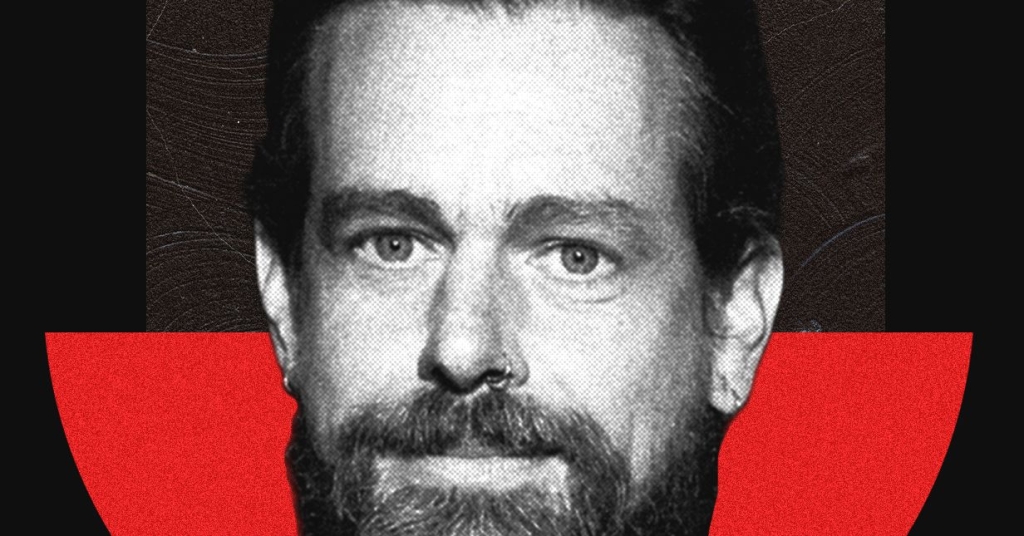
Block’s CEO Jack Dorsey Makes Bold Move, Cuts 40% of Workforce to Rebuild as an “Intelligence” Company
In a shocking and controversial decision that has sent ripples through the tech industry, Block’s CEO and cofounder Jack Dorsey has announced a massive workforce reduction, eliminating 40% of the company’s employees. The move, revealed exclusively in an in-depth interview with WIRED, signals Dorsey’s ambitious vision to transform Block into what he calls an “intelligence” company.
Dorsey, who also cofounded Twitter before its acquisition by Elon Musk, has long been known for his unconventional approach to business and technology. However, this latest decision has left many industry experts and former employees stunned. The CEO explained that this drastic measure is necessary to streamline operations and refocus the company’s efforts on artificial intelligence and machine learning technologies.
“We’re at a pivotal moment in tech history,” Dorsey told WIRED. “To truly innovate and stay ahead of the curve, we need to be lean, agile, and laser-focused on our core mission. By reducing our workforce by 40%, we’re not just cutting costs; we’re reshaping Block into an intelligence-driven organization that can adapt and evolve at the speed of technology.”
The announcement comes at a time when many tech giants are facing increased scrutiny over their workforce sizes and the sustainability of their business models. Companies like Amazon, Google, and Meta have all undergone significant layoffs in recent months, citing economic uncertainty and the need to restructure for future growth.
However, Block’s decision to cut such a large portion of its workforce has raised eyebrows and sparked debates about the ethics of mass layoffs in the tech industry. Critics argue that such drastic measures can have severe consequences for employees and local economies, while supporters claim that it’s a necessary step for companies to remain competitive in a rapidly changing market.
Dorsey, undeterred by the criticism, remains steadfast in his vision for Block’s future. “This isn’t about reducing our headcount; it’s about reimagining what a tech company can be,” he explained. “We’re not just building products anymore; we’re building an intelligence that can learn, adapt, and create solutions we haven’t even thought of yet.”
The CEO’s ambitious plans for Block’s transformation include a significant investment in AI and machine learning research and development. Dorsey envisions a company that can harness the power of data and advanced algorithms to create innovative products and services that anticipate user needs and solve complex problems.
“We’re moving beyond traditional software development,” Dorsey said. “Our goal is to create an intelligence that can think, learn, and evolve on its own. Imagine a financial system that can predict market trends with uncanny accuracy, or a social media platform that can understand and respond to human emotions in real-time. That’s the future we’re building at Block.”
The decision to cut 40% of the workforce is expected to save Block billions of dollars in operational costs, which Dorsey plans to reinvest into AI research and development. The company has already begun recruiting top talent in the fields of machine learning, neural networks, and quantum computing to lead its new initiatives.
Industry analysts are divided on the potential success of Dorsey’s vision. Some see it as a bold and necessary step to keep Block competitive in an increasingly AI-driven world. Others worry that the company may be moving too fast and risking its core business in pursuit of an uncertain future.
“This is a high-stakes gamble,” said Dr. Sarah Chen, a tech industry analyst at Stanford University. “If Dorsey can pull this off, Block could become a leader in the next generation of intelligent technologies. But if it fails, it could be a spectacular fall from grace for one of tech’s most prominent figures.”
The impact of Block’s restructuring is already being felt across the tech industry. Competitors are closely watching the company’s moves, with some reportedly considering similar strategies to stay competitive. Meanwhile, job seekers in the tech sector are expressing concern about the stability of employment in an industry that seems increasingly willing to make drastic changes at the expense of its workforce.
As Block begins its transformation into an “intelligence” company, questions remain about the future of work in the tech industry and the ethical implications of AI-driven business models. Dorsey’s bold move has certainly shaken up the status quo, but only time will tell if it will lead to a new era of technological innovation or a cautionary tale of overreach in the pursuit of progress.
For now, the tech world watches with bated breath as Block embarks on its most ambitious journey yet, led by a CEO who has never been afraid to challenge conventions and push the boundaries of what’s possible in technology.
,
Leave a Reply
Want to join the discussion?Feel free to contribute!