
James Cameron Came Up With The Terminator After A Terrifying Dream
The Terrifying Dream That Spawned a Sci-Fi Legend: How James Cameron Created “The Terminator”
In the annals of cinema history, few stories are as fascinating as the origin of “The Terminator” – a franchise that would go on to redefine science fiction and action films for generations. What makes this tale particularly compelling is that it all began with a fever dream and a bout of food poisoning, proving once again that some of the greatest creative breakthroughs come from the most unexpected circumstances.
The Fever Dream That Changed Cinema Forever
James Cameron, now recognized as one of the most successful directors in Hollywood history, was just another struggling filmmaker in 1981 when fate intervened in the most unusual way. The director was staying in a cheap pensione in Rome, battling a severe fever and a nasty stomach bug, when his subconscious mind delivered a vision that would revolutionize cinema.
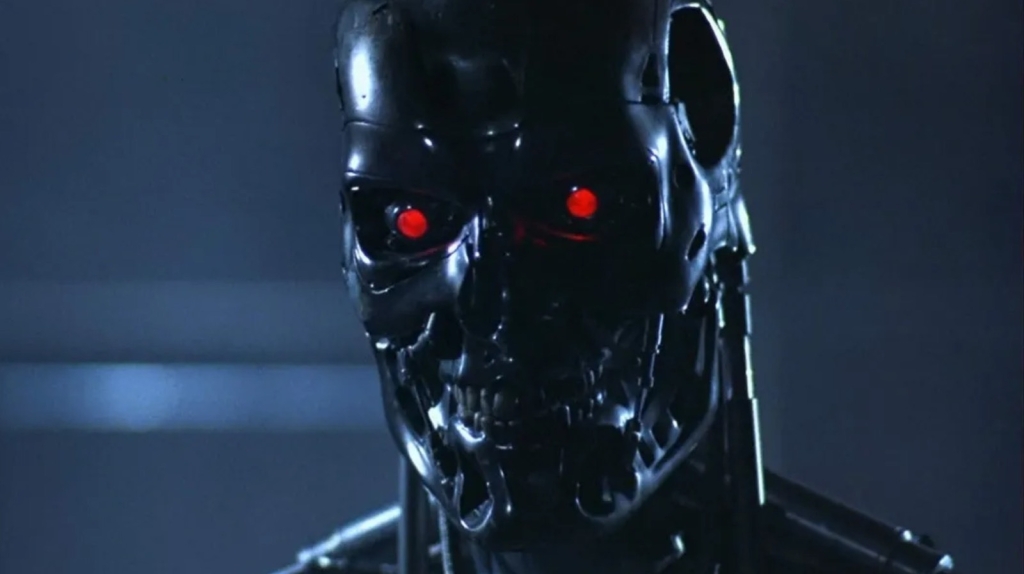
“It was the image of a chrome skeleton emerging from a fire,” Cameron later recalled in a 2021 interview with the British Film Institute. This wasn’t just any ordinary dream – it was the kind of vivid, terrifying nightmare that burns itself into your memory, refusing to fade even as consciousness returns.
The fever dream was so powerful and detailed that Cameron immediately began sketching his vision on hotel stationery. These weren’t just rough doodles; they were detailed renderings of what would become one of the most iconic images in science fiction history. The chrome skeleton, later revealed to be the T-800’s endoskeleton, became the visual foundation for everything that followed.
From Sketch to Screen: The Birth of a Franchise
What’s particularly remarkable about Cameron’s fever-induced vision is how accurately it predicted elements that would appear in the final films. The image of a robotic skeleton crawling across the floor, which Cameron sketched during his feverish state, would later appear in the climax of the original “The Terminator” film.
The director’s original concept was even more disturbing than what ultimately made it to the screen. In his initial sketches, Cameron depicted a metal skeleton cut in half at the waist, dragging itself across a tile floor using a large kitchen knife. In a second drawing, this terrifying figure was shown threatening a crawling woman. These images, minus the kitchen knife, became the finale of the first film almost exactly as Cameron had envisioned them.
This raw, primal horror element is what sets “The Terminator” apart from other science fiction films of its era. While many sci-fi movies of the 1980s focused on space exploration or friendly alien encounters, Cameron tapped into something much darker – the fear of technology turning against its creators, combined with the relentless horror of an unstoppable killer.
The Michael Myers Connection
Interestingly, Cameron’s original vision for the Terminator bore a striking resemblance to another iconic horror character. The director initially conceived of the cyborg using a large kitchen knife as its primary weapon, much like Michael Myers from John Carpenter’s “Halloween” series. This connection to slasher film aesthetics would have created a very different movie – essentially a science fiction slasher film where the killer was an indestructible robot from the future.
However, as the concept evolved, Cameron wisely shifted the Terminator’s arsenal to include firearms, making it a more formidable and realistic threat. This change elevated the film from a simple slasher with a sci-fi twist to a complex action thriller that blended multiple genres seamlessly.
The Legacy of a Fever Dream
The impact of Cameron’s fever dream extends far beyond the creation of a single film. “The Terminator” launched a franchise that has spanned decades, influencing countless other films, television shows, and even real-world discussions about artificial intelligence and robotics. The film’s depiction of a dystopian future ruled by machines has become a touchstone in popular culture, often referenced in discussions about the potential dangers of AI.
What makes this story even more fascinating is how Cameron’s fever-induced vision anticipated many of the technological anxieties we grapple with today. In 1981, when Cameron had his dream, personal computers were just beginning to enter homes, and the internet was still years away from becoming a reality. Yet his vision of a world where artificial intelligence turns against humanity has proven remarkably prescient.
The Evolution of the Franchise
While the original “The Terminator” and its sequel “Terminator 2: Judgment Day” are considered classics, the franchise has had a complicated history since then. Various sequels and reboots have attempted to recapture the magic of the original films, with mixed results. Some critics argue that the later entries in the franchise have diluted the original’s powerful message about technology and humanity.
However, one recent addition has been widely praised: the Netflix anime series “Terminator: Zero.” This new interpretation of the franchise demonstrates how Cameron’s original vision continues to inspire new generations of creators, even as technology has advanced far beyond what was imaginable in 1981.
Why This Story Matters Today
The origin story of “The Terminator” serves as a powerful reminder of the unpredictable nature of creativity. It shows how some of our greatest artistic achievements can come from the most unlikely sources – in this case, a combination of illness, fever dreams, and a struggling artist’s determination to capture a fleeting vision.
Moreover, Cameron’s story resonates in our current era of rapid technological advancement. As we grapple with questions about artificial intelligence, automation, and the future of human-machine interaction, the fears and fascinations that Cameron tapped into with “The Terminator” feel more relevant than ever.
The film’s enduring popularity also speaks to our collective anxiety about technology’s role in our lives. While we’ve embraced the benefits of technological advancement, there remains a deep-seated fear about what might happen if we create something we can’t control. Cameron’s fever dream captured this anxiety perfectly, packaging it in a way that was both entertaining and thought-provoking.
The Power of Visualization
What’s particularly instructive about Cameron’s creative process is the importance he placed on visualization. Rather than simply trying to remember his dream, he immediately began sketching, translating the ephemeral images from his subconscious into concrete visual representations. This practice of capturing ideas as quickly as possible is something that many successful creators swear by.
The fact that these initial sketches so closely resembled elements of the final film demonstrates the power of trusting one’s initial creative impulses. Cameron didn’t second-guess himself or try to make his fever dream more “logical” or “marketable.” He trusted the raw, primal power of the images that had come to him and built a compelling narrative around them.
Conclusion: Dreams, Fever, and the Birth of a Classic
The story of how “The Terminator” was born from a fever dream is more than just an interesting anecdote about a famous film. It’s a testament to the unpredictable nature of creativity, the importance of capturing ideas when they come, and the way our deepest fears can sometimes produce our greatest art.
James Cameron’s experience in that Roman pensione in 1981 reminds us that some of the most powerful creative breakthroughs come when we least expect them. Whether you’re a filmmaker, writer, artist, or any kind of creator, there’s a valuable lesson in Cameron’s story: be ready for inspiration at any moment, and when it strikes – even if it comes in the form of a terrifying fever dream – be prepared to capture it before it fades away.
The next time you watch “The Terminator,” remember that what you’re seeing on screen began as a fever-induced nightmare in a cheap hotel room. It’s a powerful reminder that sometimes the line between our darkest fears and our greatest creative achievements is thinner than we might imagine.
Viral Tags: #JamesCameron #TheTerminator #SciFiOrigins #FeverDream #HollywoodHistory #MovieCreation #AIInFilm #80sCinema #ArnoldSchwarzenegger #LindaHamilton #SciFiClassic #FilmMaking #CreativeProcess #TechAnxiety #DystopianFuture #ChromeSkeleton #Terminator2 #JudgmentDay #NetflixAnime #TerminatorZero #HollywoodLegend #FilmTrivia #CinemaHistory #SciFiHorror #UnstoppableKiller #ArtificialIntelligence #TechParanoia #MovieMythology #CinematicVision
Viral Phrases: “fever dream that changed cinema forever,” “chrome skeleton emerging from fire,” “robot from a nightmare,” “the power of visualization in filmmaking,” “when illness inspires genius,” “the unexpected origin of a classic,” “how a stomach bug birthed a franchise,” “the Terminator’s slasher film roots,” “fever-induced creative breakthrough,” “the dark vision that became a blockbuster,” “from hotel sketch to Hollywood legend,” “the nightmare that launched a thousand imitations,” “how food poisoning created sci-fi history,” “the terrifying dream that predicted our tech fears,” “when Hollywood’s greatest ideas come from the strangest places,” “the fever that gave us the T-800,” “how a bad dream became a billion-dollar franchise,” “the unexpected connection between Halloween and The Terminator,” “how one sketch changed action cinema forever,” “the creative power of a high fever,” “when nightmares become blockbusters,” “the hotel stationery that launched a legend,” “how illness inspired one of cinema’s greatest villains,” “the fever dream that anticipated AI anxiety,” “from chrome skeleton to cultural icon,” “how a struggling filmmaker’s illness created a classic,” “the unexpected origin of cinema’s most relentless killer,” “when a bad dream becomes a good movie,” “the power of capturing fleeting inspiration,” “how a high fever produced low-budget magic,” “the nightmare that became a franchise,” “from fever vision to film franchise,” “how a stomach bug created sci-fi history,” “the unexpected source of cinematic terror,” “when illness breeds creativity,” “the hotel room where a legend was born,” “how a bad dream became a good movie,” “the fever that gave us the future,” “from chrome skeleton to cultural icon,” “how a high fever produced low-budget magic,” “the nightmare that became a franchise,” “from fever vision to film franchise,” “how a stomach bug created sci-fi history,” “the unexpected source of cinematic terror,” “when illness breeds creativity,” “the hotel room where a legend was born.”
,

Leave a Reply
Want to join the discussion?Feel free to contribute!