
James Cameron’s Underrated ’80s Sci-Fi Movie Was His Most Dangerous Project
James Cameron’s Underrated ’80s Sci-Fi Movie Was His Most Dangerous Project
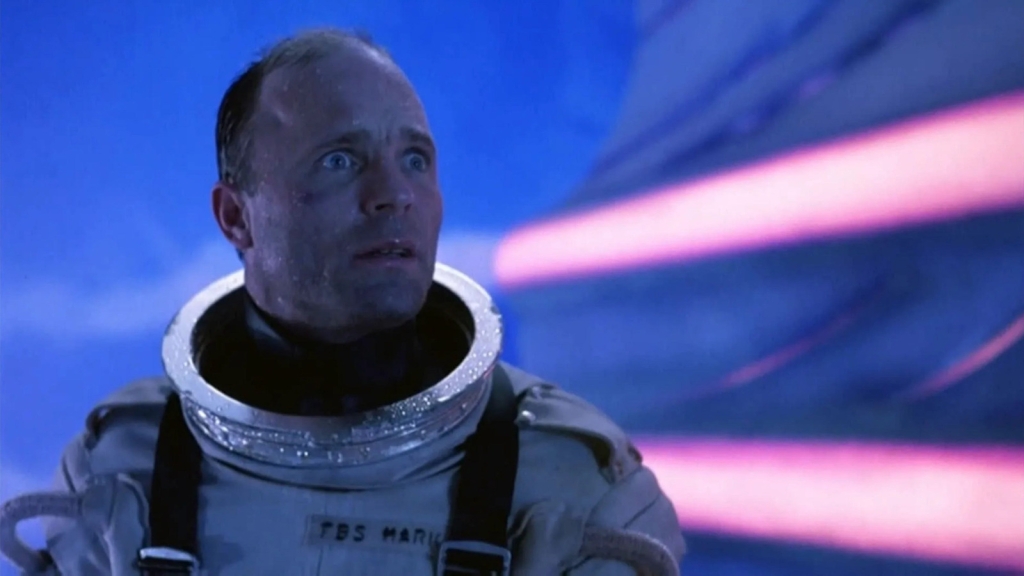
James Cameron is no stranger to pushing the boundaries of filmmaking, but his 1989 deep-sea sci-fi thriller The Abyss stands as one of his most harrowing and dangerous projects to date. While films like Titanic and Avatar have cemented his reputation as a blockbuster visionary, The Abyss remains a cult classic that nearly cost the lives of its cast and crew.
A Film Born from Ambition and Peril
The Abyss tells the story of a U.S. SEAL team and a group of oil workers who team up to recover a sunken submarine in the Cayman Islands. Their mission takes a terrifying turn when they encounter an extraterrestrial entity lurking in the ocean’s depths. Despite its modest box office performance—grossing $90 million against a $70 million budget—the film earned four Oscar nominations and won Best Visual Effects in 1990.
To achieve its groundbreaking underwater visuals, Cameron chose to shoot much of the film in a massive tank housed inside an abandoned nuclear power plant. This decision, while visually stunning, created a nightmare scenario for the cast and crew. Ed Harris, who played Virgil “Bud” Brigman, later described the experience as being treated like “guinea pigs.”
A Brush with Death on Set
One of the most harrowing scenes involved Harris holding his breath for several minutes while submerged in a helmet filled with water. The actor nearly drowned during the take, a testament to the extreme lengths Cameron was willing to go to achieve authenticity. But this was just one of many dangerous moments on set.
In another scene, Harris was required to slap co-star Mary Elizabeth Mastrantonio to revive her character. The camera ran out of film during the take, but the actors weren’t informed, leading to unnecessary and distressing retakes. Mastrantonio famously walked off set, exclaiming, “We’re not animals.”
Cameron himself faced life-threatening danger during filming. His assistant director, responsible for monitoring oxygen levels, was on break during a critical sequence. Running out of air, Cameron had to swim to the surface as quickly as possible. A safety diver offered him a breathing apparatus, but it was faulty, causing Cameron to inhale large amounts of water. In a panic, the diver grabbed Cameron to calm him down, but the director punched the diver in the face to break free and reach the surface. Miraculously, both survived.
A Legacy of Innovation and Risk
Despite its troubled production, The Abyss has earned a dedicated following over the years. Its visual effects, though created decades ago, still hold up remarkably well. The film’s blend of suspense, emotion, and groundbreaking technology makes it a must-watch for Cameron fans, especially those who may be weary of the endless Avatar sequels.
If you decide to watch The Abyss, be sure to seek out the uncut version rather than the theatrical release. The extended cut offers a richer, more immersive experience, showcasing the full scope of Cameron’s vision.
Tags: James Cameron, The Abyss, sci-fi thriller, underwater filming, dangerous movie sets, Ed Harris, Mary Elizabeth Mastrantonio, Oscar-winning visual effects, cult classic, abandoned nuclear power plant, extraterrestrial entity, cinematic innovation, Hollywood risks, filmmaking dangers, 1980s cinema, box office success, survival stories, movie trivia, behind-the-scenes drama, cinematic masterpieces.
Viral Phrases: “James Cameron’s most dangerous project,” “nearly drowned on set,” “punched a diver to survive,” “guinea pigs in a nuclear power plant,” “the film that almost killed everyone,” “underwater nightmare,” “Oscar-winning chaos,” “the untold story of The Abyss,” “Cameron’s brush with death,” “Hollywood’s most harrowing shoot.”
,


Leave a Reply
Want to join the discussion?Feel free to contribute!