
Jeff Bezos-owned Washington Post slashes hundreds of jobs — including newspaper’s Amazon reporter
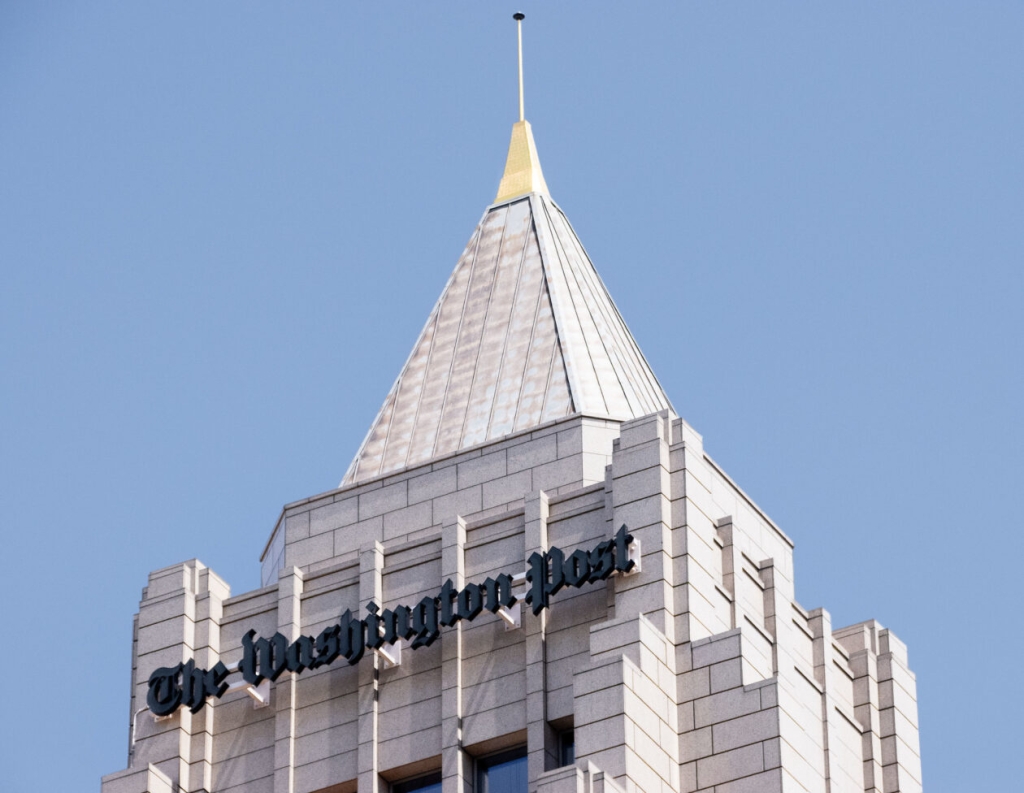
The Washington Post’s Tech Journalism Takes a Major Hit as Amazon Reporter Among Hundreds Laid Off
In a shocking development that has sent ripples through the media and tech industries, The Washington Post has laid off hundreds of employees, including Caroline O’Donovan, the newspaper’s respected technology reporter who has been covering Amazon for nearly four years. The layoffs, which represent approximately 30% of the entire workforce, mark one of the most significant staff reductions in the newspaper’s recent history and raise serious questions about the future of tech journalism at one of America’s most prominent publications.
A Respected Voice Silenced
Caroline O’Donovan, who confirmed her departure via a brief but poignant post on X (formerly Twitter), has been a cornerstone of The Washington Post’s technology coverage since joining the paper in 2022. Her departure represents not just the loss of a talented journalist, but the silencing of a critical voice that has held one of the world’s most powerful companies accountable.
“I’m out, along with just a ton of the best in the biz. horrible,” O’Donovan wrote, her words capturing the shock and disappointment felt throughout the newsroom. Her message resonated deeply with readers and fellow journalists alike, highlighting the caliber of talent being lost in these cuts.
A Legacy of Investigative Excellence
O’Donovan’s work at The Washington Post built upon a remarkable career that included seven years as a technology reporter at BuzzFeed, where she co-authored a groundbreaking 2019 investigation into Amazon’s delivery network. This investigation, which revealed how the pressure for productivity contributed to dangerous and even deadly accidents, was a masterclass in tech journalism. The story exposed how Amazon uses third-party contractors to sidestep legal liability, demonstrating the kind of deep, investigative reporting that is increasingly rare in today’s media landscape.
The investigation was so impactful that it led to a follow-up collaboration between BuzzFeed and ProPublica, which was featured on PBS’s “Frontline” and won the prestigious 2019 SABEW award. This body of work established O’Donovan as one of the most important voices covering Amazon and the broader tech industry.
The Bezos Connection: A Complicated Relationship
One of the most fascinating aspects of O’Donovan’s tenure at The Washington Post was the constant surprise expressed by readers that the newspaper would cover Amazon so closely, given that Jeff Bezos, Amazon’s founder, owns the publication. O’Donovan herself highlighted this irony in posts on X, sharing examples of reader reactions to her stories about Amazon layoffs that appeared on the front page of the paper.
This situation underscored the delicate balance The Washington Post has tried to maintain between editorial independence and ownership influence. O’Donovan’s coverage of Amazon, which was both thorough and critical, demonstrated that the newspaper was willing to hold its owner’s company accountable, even as questions about Bezos’s influence grew more prominent in recent years.
A Broader Restructuring with Far-Reaching Implications
The layoffs at The Washington Post are part of a massive restructuring that goes well beyond the technology department. The newspaper is eliminating its entire sports and books sections, stopping its popular “Post Reports” daily news podcast, and significantly reducing its metro and international coverage. This represents a fundamental shift in the newspaper’s strategy and priorities.
Tech columnist Geoffrey Fowler, another prominent voice in technology journalism, was also among those laid off. Fowler noted on LinkedIn that most of the Post’s San Francisco bureau was cut, dealing another significant blow to the newspaper’s ability to cover the tech industry from its epicenter.
Financial Pressures and the Changing Media Landscape
Executive Editor Matt Murray explained the rationale behind the cuts in a call with newsroom employees, according to The New York Times. He stated that the company had lost too much money for too long and that the Post was “too rooted in a different era, when we were a dominant, local print product.”
Murray pointed to the dramatic decline in online search traffic, which he attributed partly to the rise of generative AI, noting that traffic had fallen by nearly half in the last three years. This explanation highlights the existential challenges facing traditional media organizations in an era of rapid technological change and shifting consumer behaviors.
The Bezos Era: From Supportive Owner to Active Influencer
Jeff Bezos purchased The Washington Post for $250 million in 2013, initially taking a hands-off approach that allowed the newspaper to maintain its editorial independence. However, his influence has become more pronounced in recent years, particularly following controversial decisions that have raised questions about the newspaper’s commitment to traditional journalistic values.
In February 2024, Bezos made the surprising decision to end the newspaper’s tradition of endorsing presidential candidates, a move that reportedly included spiking an endorsement of Kamala Harris. This decision cost the Post more than 200,000 digital subscribers and triggered a wave of backlash during the contentious run-up to Trump’s re-election.
The influence of Bezos’s ownership became even more apparent following Trump’s return to office. Bezos joined other tech leaders in expressing a willingness to work with the administration, and he was among those who attended the presidential inauguration. This alignment with political power, combined with the recent layoffs and restructuring, has led many to question whether The Washington Post can maintain the kind of independent, critical journalism that has been its hallmark.
The Future of Tech Journalism at The Washington Post
The loss of Caroline O’Donovan and other key technology journalists represents a significant setback for The Washington Post’s ability to cover the tech industry effectively. Amazon, one of the most influential companies in the world, will now receive less scrutiny from one of the few major newspapers willing to investigate it thoroughly.
This development is particularly concerning given the increasing power and influence of tech companies in every aspect of modern life. As artificial intelligence, cloud computing, e-commerce, and other technologies reshape society, the need for independent, investigative journalism has never been greater. The Washington Post’s decision to reduce its technology coverage comes at a time when such journalism is most needed.
Industry-Wide Implications
The layoffs at The Washington Post are not an isolated incident but part of a broader trend affecting the entire media industry. As traditional news organizations struggle to adapt to the digital age, many are cutting costs by reducing their most expensive resource: experienced journalists. This trend has serious implications for the quality and depth of news coverage across all beats, but particularly in specialized areas like technology.
The reduction in tech journalism comes at a time when the industry faces unprecedented challenges and opportunities. From the rapid advancement of AI to growing concerns about data privacy, antitrust issues, and the societal impact of social media, the need for informed, critical coverage has never been greater. Yet, as The Washington Post’s actions demonstrate, many news organizations are moving in the opposite direction.
A Loss for Democracy and Accountability
The layoffs at The Washington Post represent more than just a business decision; they represent a loss for democracy and accountability. In an era when tech companies wield enormous power over information, commerce, and daily life, independent journalism serves as a crucial check on that power. The reduction in coverage of companies like Amazon, which touch virtually every aspect of modern life, leaves a significant gap in public understanding and oversight.
As readers and citizens, we must ask ourselves what we lose when newspapers like The Washington Post reduce their commitment to thorough, independent coverage of the tech industry. The answer, unfortunately, is that we all lose when the watchdogs of democracy are muzzled or eliminated.
The departure of Caroline O’Donovan and her colleagues is not just a loss for The Washington Post; it’s a loss for everyone who depends on quality journalism to understand and navigate the complex, rapidly changing world of technology. As the media landscape continues to evolve, the challenge will be ensuring that critical voices like O’Donovan’s are not silenced but rather supported and amplified, even as the business models that traditionally supported such journalism continue to face unprecedented challenges.
Tags & Viral Phrases
- Washington Post layoffs 2026
- Caroline O’Donovan Amazon reporter fired
- Jeff Bezos newspaper cuts
- Tech journalism crisis deepens
- Major media restructuring hits hard
- Amazon coverage reduced at Post
- Journalism jobs disappearing fast
- Media industry bloodbath continues
- Post loses tech talent
- End of an era for WaPo
- Why this matters for democracy
- The truth about Bezos influence
- Tech reporters speaking out
- What this means for readers
- The future of news is uncertain
- Breaking: Washington Post chaos
- Exclusive: Inside the layoffs
- Journalism’s darkest hour
- The end of independent tech coverage?
- Readers outraged by Post cuts
- Media layoffs spreading like wildfire
- The Washington Post’s identity crisis
- Amazon gets a free pass now
- Where will tech journalism go next?
- The death of investigative reporting
- This is why we can’t have nice things
- The media apocalypse is here
- Journalism jobs are dying
- The Washington Post betrays its readers
- Tech coverage gutted at major newspaper
- The end of accountability journalism
- Why this story should terrify you
- The Washington Post sells out
- Journalism is broken
- The truth about corporate media
- This is what censorship looks like
- The media is collapsing
- Journalism’s last stand
- The Washington Post’s fatal mistake
- Why we should all be worried
- The end of an institution
- This changes everything
- The media landscape is forever changed
- Journalism as we know it is over
- The Washington Post’s death spiral
- Why this is a disaster for democracy
- The end of critical tech coverage
- This is how freedom dies
- The media is eating itself
- Journalism’s final chapter?
,


Leave a Reply
Want to join the discussion?Feel free to contribute!