
Judge: AI-made docs sent to lawyers are admissible in court
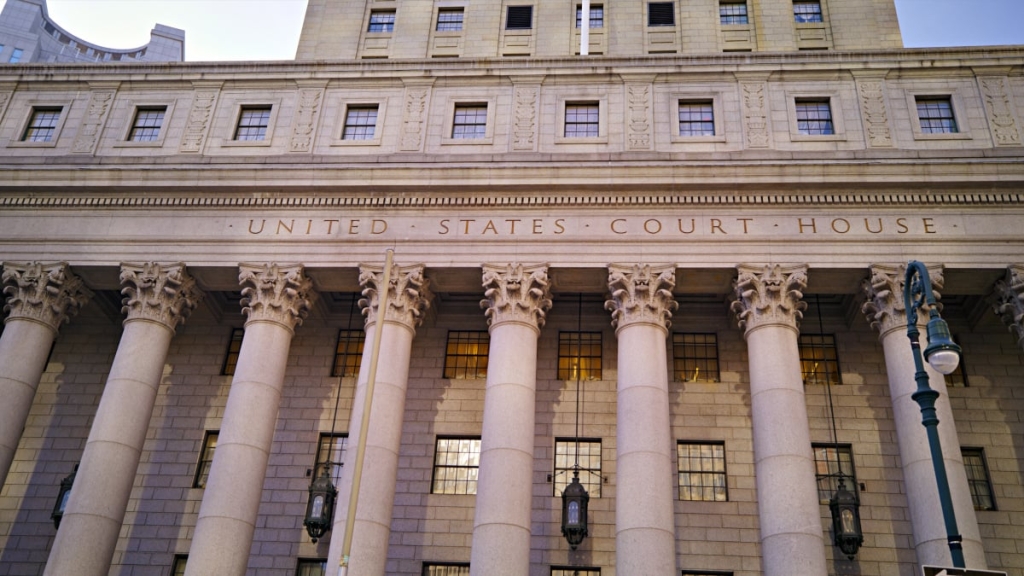
Manhattan Judge Rules AI-Generated Documents Are Not Protected by Attorney-Client Privilege
In a landmark decision that could reshape the legal landscape for artificial intelligence, a federal judge in Manhattan has ruled that documents created by AI tools and subsequently shared with attorneys are not protected by attorney-client privilege.
The Case That Set the Precedent
The ruling emerged from the high-profile case against Bradley Heppner, the former CEO of Beneficient, who faces charges of orchestrating a $150 million securities and wire fraud scheme between 2018 and 2021. Heppner was indicted in November, but the legal implications of this case extend far beyond his individual circumstances.
According to court proceedings, Heppner utilized Anthropic’s Claude chatbot to generate 31 documents before sharing them with his defense attorney. These documents were later seized by investigators, becoming central to the prosecution’s case.
Federal prosecutors argued that the AI-generated materials should be treated as “work product” rather than confidential legal strategy. They further contended that AI tools’ own usage policies explicitly state that conversations are not guaranteed to remain confidential, making them fair game for discovery.
The Judge’s Reasoning
U.S. District Judge Jed S. Rakoff, presiding over the case in Manhattan, agreed with the prosecution’s position. In his preliminary ruling, Judge Rakoff stated that he found no basis for claims of attorney-client privilege regarding the AI-generated documents.
“The court determined that the documents, having been created by an artificial intelligence system rather than by legal counsel or the client in consultation with counsel, do not fall within the traditional scope of attorney-client privilege,” Judge Rakoff explained during the proceedings.
However, the judge did acknowledge a potential complication. He agreed that the evidence could create a witness-advocate conflict of interest between Heppner and his own legal representation, which might result in a mistrial if not properly addressed.
The Defense’s Counterarguments
Heppner’s defense team mounted a vigorous challenge to the prosecution’s position. They argued that despite not being created by attorneys themselves, the documents contained information derived from conversations with legal representatives that should be shielded from discovery.
Furthermore, the defense contended that by implicating the defense team itself in the documents, the evidence created an inherent conflict of interest. They warned that this conflict could compromise Heppner’s right to effective counsel and potentially derail the entire trial.
The Broader Implications for AI and Legal Privilege
This ruling arrives at a critical juncture in the ongoing debate about artificial intelligence’s role in legal proceedings and the extent of protections afforded to AI-mediated communications.
AI Executives Push for Expanded Protections
The decision comes amid growing calls from AI industry leaders for expanded legal protections for conversations with chatbots. OpenAI CEO Sam Altman has been particularly vocal on this issue, arguing that as AI assistants become increasingly personal and therapeutic in nature, they warrant consideration for protections similar to those granted to attorney-client and doctor-patient communications.
“The reality is that people are using these tools for deeply personal matters—therapy, health advice, intimate conversations about their lives,” Altman stated in a recent interview. “There’s no legal confidentiality when using ChatGPT as a therapist, and that’s a problem we need to address.”
Privacy Concerns and Data Collection
The ruling also highlights the tension between AI developers’ promises of privacy and the reality of data collection practices. Privacy watchdogs have repeatedly raised concerns about the extensive data collection and storage by AI tools, particularly regarding sensitive personal information.
In response to these concerns, many AI developers have implemented measures to minimize chat history storage and provide users with options for anonymous or incognito usage. However, these measures often fall short of the comprehensive protections sought by privacy advocates.
The Conflict Between Innovation and Regulation
The case exemplifies the broader struggle to balance technological innovation with appropriate legal safeguards. As AI tools become more sophisticated and ubiquitous, courts are increasingly called upon to determine how existing legal frameworks apply to these novel technologies.
International Perspectives
The Manhattan ruling may influence similar cases worldwide as jurisdictions grapple with comparable questions. Some countries have already begun developing specific regulations for AI, while others rely on adapting existing legal frameworks.
The Future of AI in Legal Proceedings
Legal experts suggest that this ruling could have far-reaching consequences for how AI-generated content is treated in various legal contexts. The decision may influence everything from corporate litigation to criminal proceedings and civil disputes.
Technical and Ethical Considerations
Beyond the immediate legal implications, the case raises important questions about the nature of AI-generated content and its relationship to human authorship. As AI systems become more advanced, distinguishing between human and machine-generated content may become increasingly challenging.
The Role of AI in Legal Strategy
The case also highlights the growing use of AI tools in legal strategy development. Attorneys and their clients are increasingly turning to AI for research, document drafting, and strategic planning, making questions of privilege and protection increasingly relevant.
Potential Legislative Responses
Given the significance of this ruling, legal scholars anticipate potential legislative responses aimed at clarifying the status of AI-generated content in legal proceedings. Such legislation could establish clear guidelines for when and how AI-generated materials may be used as evidence.
The Business Impact
For AI companies, the ruling presents both challenges and opportunities. While it may limit certain use cases, it also creates a clearer regulatory environment that could facilitate broader adoption in appropriate contexts.
Looking Ahead
As this case progresses through the legal system, it will likely continue to generate significant discussion among legal scholars, technologists, and policymakers. The ultimate resolution could have profound implications for the future of AI development and deployment.
Conclusion
The Manhattan judge’s ruling represents a significant moment in the evolving relationship between artificial intelligence and the legal system. By clarifying that AI-generated documents are not protected by attorney-client privilege, the decision sets an important precedent that will likely influence future cases and potentially inform legislative efforts.
As AI technology continues to advance and integrate more deeply into various aspects of professional and personal life, the legal system will undoubtedly face additional challenges in adapting existing frameworks to address novel situations. This case serves as an important milestone in that ongoing process of adaptation and evolution.
Tags and Viral Phrases
AI legal precedent, attorney-client privilege, AI-generated documents, Manhattan federal court, Bradley Heppner fraud case, Anthropic Claude chatbot, Sam Altman AI privacy, AI in legal proceedings, work product doctrine, witness-advocate conflict, AI data collection controversy, chatbot confidentiality debate, legal tech revolution, AI privacy concerns, attorney-client privilege AI, federal judge AI ruling, Beneficient CEO fraud, AI legal implications, technology law evolution, AI evidence admissibility, legal strategy AI tools, privacy watchdogs AI, AI regulatory challenges, tech law landmark case, AI-generated content legal status, attorney-client privilege modern era, AI legal framework, technology and justice, AI courtroom drama, digital evidence AI, legal privilege AI era, AI confidentiality limitations, tech innovation legal system, AI legal battles, privacy vs innovation AI, AI legal protection debate, future of AI law, technology legal precedents, AI legal landscape, digital age attorney-client privilege, AI evidence rules, legal tech ethical questions, AI-generated documents court, technology law adaptation, AI legal system integration, privacy advocates AI, AI legal documentation, technology justice intersection, AI legal revolution, digital legal strategy, AI courtroom implications.
,


Leave a Reply
Want to join the discussion?Feel free to contribute!