
Just one dose of psilocybin relieves symptoms of OCD for months
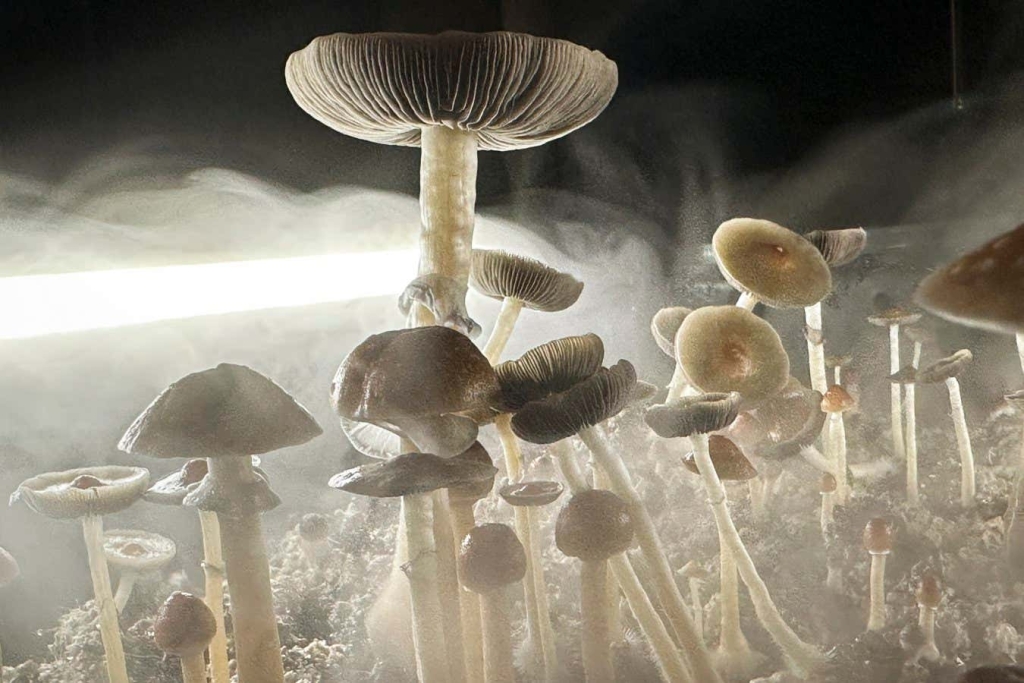
Psilocybin Shows Rapid, Lasting Relief for Obsessive-Compulsive Disorder in Groundbreaking Trial
In a landmark study that could reshape mental health treatment, researchers have discovered that a single dose of psilocybin—the psychoactive compound found in magic mushrooms—can dramatically reduce symptoms of obsessive-compulsive disorder (OCD) within just 48 hours, with benefits persisting for at least three months.
The findings, published in a randomized, placebo-controlled trial, represent the first rigorous scientific evidence that psychedelics can effectively treat OCD, a condition affecting approximately 1-3% of the global population. For the millions of people who haven’t found relief through conventional treatments, this breakthrough offers new hope.
The Science Behind the Breakthrough
Led by Christopher Pittenger at Yale School of Medicine, the research team recruited 28 adults who had battled OCD for an average of two decades and had already failed multiple standard treatments. Participants received either a carefully measured dose of psilocybin (0.25 mg per kilogram of body weight) or niacin (vitamin B3) as a placebo control.
The results were striking. Within 48 hours, those who received psilocybin experienced an average symptom reduction of 9.76 points on a standardized 40-point scale—a clinically significant improvement that persisted through the 12-week follow-up period. Approximately 70% of participants maintained a 35% symptom reduction one week after treatment.
“This isn’t just incremental improvement,” explains Alex Kwan, a neuroscientist at Cornell University who wasn’t involved in the study. “The speed and durability of improvement after a single dose are remarkable. We’re seeing fundamental changes in how the brain processes obsessive thoughts.”
How Psilocybin Might Work
While the exact mechanisms remain under investigation, researchers have several compelling theories about why psilocybin shows such promise for OCD treatment.
One leading hypothesis suggests that psilocybin dramatically increases brain plasticity—the brain’s ability to form new neural connections and reorganize existing ones. For people with OCD, obsessive thoughts and compulsive behaviors create rigid neural pathways that become increasingly difficult to break. Psilocybin appears to temporarily dissolve these rigid patterns, allowing the brain to establish healthier thought processes.
David Nutt, a neuropsychopharmacologist at Imperial College London, explains the concept: “The whole point of OCD therapy is teaching people to behave differently. So rather than checking the lights 15 times, you check them twice. Psilocybin seems to accelerate this learning process by making the brain more flexible and receptive to change.”
Another theory focuses on the brain’s default mode network—a collection of brain regions involved in self-referential thinking, rumination, and the sense of ego. In OCD, this network often becomes hyperactive, trapping individuals in cycles of obsessive thought. Psilocybin appears to temporarily “reset” the relationship between the default mode network and other brain regions, reducing the dominance of obsessive patterns.
Recent neuroimaging studies have shown that psilocybin can literally rewire brain connections, creating new pathways that bypass the rigid circuits associated with OCD. Additionally, some research suggests that psychedelics may reduce inflammation in the brain, which could contribute to their therapeutic effects.
Safety Considerations and Future Research
While the results are promising, the researchers emphasize important safety considerations. During the trial, one participant with pre-existing suicidal thoughts began actively planning suicide after receiving psilocybin. Though the crisis resolved with standard monitoring, it highlights the need for careful screening and clinical safeguards when administering psychedelics medically.
“The potential is enormous, but we must proceed with appropriate caution,” Pittenger notes. “Larger trials are needed to confirm efficacy, determine optimal dosing, identify who will benefit most, and understand potential risks.”
The study also faced a common challenge in psychedelic research: the unmistakable effects of psilocybin make it difficult to maintain true blinding. Most participants could accurately guess whether they received the active compound or placebo, despite efforts to use niacin as a control that produces some similar physical sensations.
A New Frontier in Mental Health Treatment
This research arrives at a pivotal moment for psychedelic medicine. Multiple studies have demonstrated psilocybin’s potential for treating depression, anxiety, addiction, and now OCD. The FDA has granted “breakthrough therapy” designation to psilocybin-assisted therapy for depression, accelerating the path toward potential approval.
For people with treatment-resistant OCD, the implications are profound. Traditional treatments—including cognitive behavioral therapy and selective serotonin reuptake inhibitors (SSRIs)—fail to help 40-60% of patients. Psilocybin offers a fundamentally different approach that could reach those who have exhausted other options.
The psychedelic experience itself appears to play a crucial role in the therapeutic process. Participants report profound shifts in perspective, increased emotional awareness, and a sense of connection that extends beyond the acute effects of the drug. This suggests that the therapeutic benefits come not just from the chemical action of psilocybin, but from the meaningful psychological experiences it facilitates.
As research continues and larger trials are planned, the medical community watches with cautious optimism. If subsequent studies confirm these findings, psilocybin could become a powerful new tool in the psychiatrist’s arsenal—offering rapid, lasting relief for a condition that has long resisted effective treatment.
The journey from counterculture curiosity to mainstream medicine has been decades in the making, but studies like this suggest that psychedelic-assisted therapy may finally be ready for its moment. For the millions living with the daily burden of OCD, that moment can’t come soon enough.
Tags & Viral Phrases:
- Magic mushrooms could be the breakthrough OCD treatment we’ve been waiting for
- One dose, lasting relief: Psilocybin’s stunning effects on obsessive thoughts
- From counterculture to clinic: Psychedelics enter mainstream mental health
- Yale study reveals psilocybin’s power to rewire OCD brain patterns
- The end of obsessive cycles? Psilocybin offers hope where traditional treatments fail
- Scientists unlock why magic mushrooms might cure obsessive-compulsive disorder
- Single dose, 12-week relief: Psilocybin’s remarkable OCD breakthrough
- Psychedelics’ secret weapon: How psilocybin makes the brain more flexible
- OCD’s new frontier: Why psilocybin works when nothing else does
- The brain reset button: How magic mushrooms could transform mental health
- Treatment-resistant no more? Psilocybin offers hope for millions with OCD
- Beyond the trip: How psychedelic experiences create lasting mental health change
- The $100 million question: Can magic mushrooms revolutionize psychiatry?
- From lab to living room: The future of at-home psychedelic therapy
- The safety paradox: Why controlled psychedelic use might be safer than we thought
,


Leave a Reply
Want to join the discussion?Feel free to contribute!