
Just two days of oatmeal cut bad cholesterol by 10%
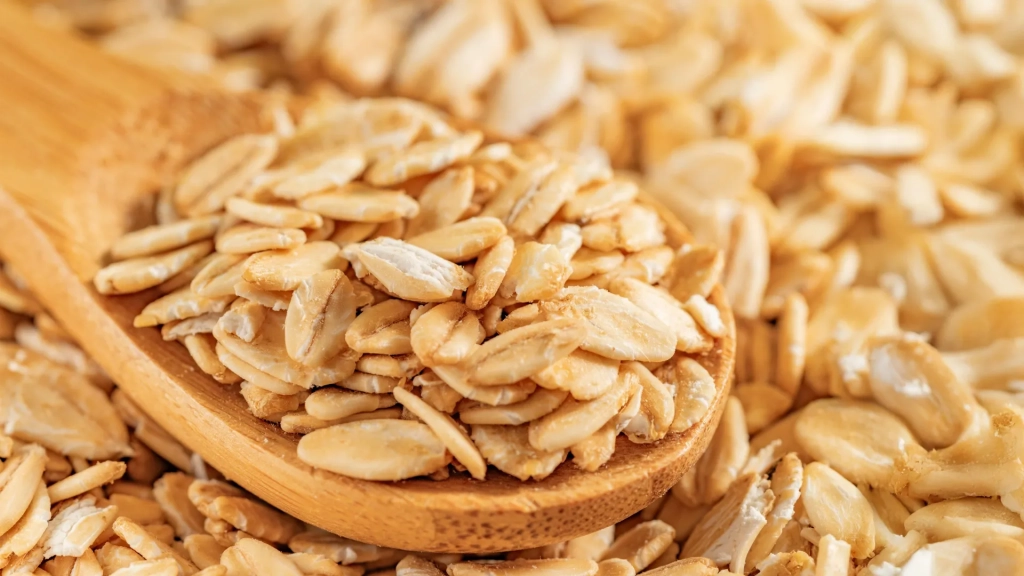
In a surprising twist on dietary interventions, a small but potent clinical trial from the University of Bonn has shown that two days of eating almost nothing but oatmeal can deliver a meaningful reduction in cholesterol levels. The findings, published in Nature Communications, suggest that a short, intense burst of oatmeal consumption might offer a simple, natural way to support heart health—especially for those with metabolic syndrome, a cluster of conditions that heightens the risk of diabetes and cardiovascular disease.
The study’s design was both elegant and rigorous. Thirty-two women and men with metabolic syndrome were randomly assigned to either a calorie-restricted oatmeal diet or a calorie-restricted control diet without oats. For two days, the oatmeal group consumed 300 grams of boiled oats daily, with only minimal additions of fruit or vegetables. The control group also cut calories but did not include oats. Both groups underwent the same baseline and follow-up assessments, including blood tests, stool sample collection, and measurements of blood pressure, weight, and body composition.
The results were striking. Those on the oatmeal plan saw their LDL cholesterol—the so-called “bad” cholesterol that contributes to arterial plaque—drop by 10 percent, a reduction comparable to what some medications achieve. They also lost an average of two kilograms and experienced a slight drop in blood pressure. Even more intriguing, these benefits persisted six weeks after the intervention, hinting at a lasting metabolic shift.
But why would such a short, intense oat regimen have such an effect? The answer may lie in the gut. Researchers found that oatmeal consumption altered the composition of the gut microbiome, increasing the abundance of certain beneficial bacteria. These microbes produce phenolic compounds—such as ferulic acid—by breaking down oat fibers. Animal studies have already linked ferulic acid to improved cholesterol metabolism, and the Bonn team’s findings suggest a similar effect in humans. Additionally, some of these bacteria help eliminate histidine, an amino acid that, if left unchecked, can be converted into compounds that promote insulin resistance.
This is not the first time oats have been linked to metabolic health. In the early 20th century, German physician Carl von Noorden used oats to treat diabetes patients with notable success. However, with the advent of modern pharmaceuticals, this approach fell out of favor. “Today, effective medications are available to treat patients with diabetes,” explains Marie-Christine Simon, junior professor at the University of Bonn. “As a result, this method has been almost completely overlooked in recent decades.”
The Bonn study suggests it may be time to revisit this old therapy. While the two-day oatmeal intervention was more effective than a longer, less intensive oat regimen (80 grams per day over six weeks), the researchers caution that more work is needed to determine whether repeating the short, intensive plan every six weeks could offer lasting protection against high cholesterol and diabetes.
The study’s methodology was robust. It was a randomized controlled trial (RCT), the gold standard in clinical research. Although participants knew whether they were eating oats, the laboratory teams analyzing blood and stool samples were blinded to group assignments, reducing the risk of bias. Blood samples were tested for LDL cholesterol and dihydroferulic acid, while stool samples were analyzed for bacterial DNA and metabolic byproducts.
Funding came from a range of sources, including the German Federal Ministry of Education and Research, the German Diabetes Association, and industry partners, underscoring broad interest in the potential of oats as a functional food.
In summary, this study offers a compelling case for the power of a simple, short-term dietary intervention. Two days of oatmeal, combined with calorie restriction, can meaningfully improve cholesterol levels and support metabolic health—possibly by reshaping the gut microbiome. While not a replacement for medication, this approach could serve as a complementary strategy for those at risk of heart disease or diabetes. As research continues, oats may once again take their place as a frontline tool in the fight against metabolic disease.
Tags: oatmeal, cholesterol, metabolic syndrome, gut microbiome, heart health, LDL, clinical trial, University of Bonn, diabetes prevention, phenolic compounds, ferulic acid, randomized controlled trial, calorie restriction, dietary intervention, functional food
Viral Sentences:
- Two days of oatmeal can cut bad cholesterol by 10%—better than some drugs!
- Oats reshape your gut bacteria to fight cholesterol and diabetes.
- Old-school oat therapy makes a comeback in modern science.
- 300 grams of oatmeal a day for 48 hours: the surprising heart hack.
- Short, intense oatmeal diets may offer lasting metabolic benefits.
- Gut microbes turn oats into cholesterol-busting compounds.
- Oats: the simple, natural way to support heart and metabolic health.
- Oatmeal intervention outperforms longer, milder oat regimens.
- Could two days of oatmeal keep the doctor away?
- Oats may be the next big thing in diabetes prevention.
,


Leave a Reply
Want to join the discussion?Feel free to contribute!