
KDE Plasma Saw A Lot Of Bug/Crash Fixing & UI Polishing This Week
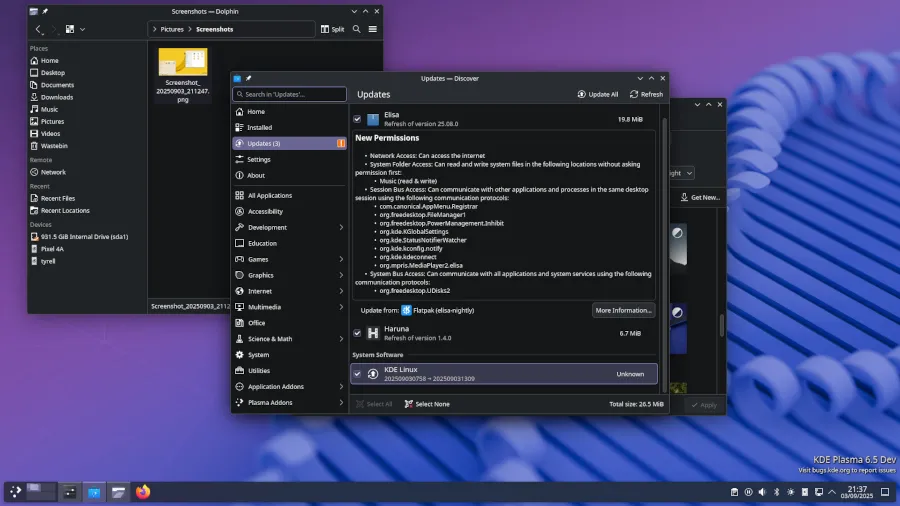
KDE Plasma Development: A Week of Stability, Polish, and Performance Improvements
The KDE community is once again proving why it remains one of the most dynamic and user-focused open-source desktop environments in the Linux ecosystem. This week’s development cycle for KDE Plasma 6.6.x and the upcoming 6.7 branch brings a compelling mix of stability fixes, user experience refinements, and technical improvements that showcase the project’s commitment to both power users and newcomers alike.
The Big Picture: Stability First
When examining the development trajectory of KDE Plasma, one thing becomes immediately clear: the developers are prioritizing rock-solid stability while simultaneously polishing the user experience. This dual approach demonstrates a mature understanding of what desktop users truly need—an environment that works flawlessly while remaining intuitive and visually appealing.
The focus on bug fixes, particularly crash resolutions, speaks volumes about KDE’s development philosophy. Rather than chasing flashy new features at the expense of reliability, the team is methodically addressing pain points that affect real users every day. This commitment to quality over quantity is what separates truly professional open-source projects from the rest.
Detailed Breakdown of Key Improvements
Panel Spacer Widget Refinement
One of the more interesting changes coming in Plasma 6.7 involves the Panel Spacer Widget. The development team has decided to remove this widget from the widgets sidebar in the upcoming release. Why? Because the Panel Spacer Widget only makes sense in the context of panels, not in the general widget sidebar where users might expect it to work in various contexts.
This decision exemplifies KDE’s attention to detail and user experience consistency. Rather than leaving users confused about why a widget doesn’t work in certain contexts, they’re proactively removing potential sources of confusion. It’s a small change that demonstrates a larger principle: every element in the user interface should have a clear purpose and function.
Enhanced Color Scheme Management
For users who love customizing their Plasma experience with different color schemes, Plasma 6.7 brings welcome improvements to the color scheme saving process. Previously, attempting to save a color scheme with the same name as an existing system color scheme would result in unclear behavior or error messages.
Now, users will receive a much clearer error message when they attempt this action. This improvement might seem minor, but it significantly enhances the user experience by providing immediate, understandable feedback. No more wondering why your color scheme didn’t save—you’ll know exactly what went wrong and how to fix it.
KWin Crash Fixes: A Critical Priority
KWin, KDE’s window manager, has received multiple crash fixes across the 6.6.x series. One notable fix addresses a potential crash scenario involving custom modelines when using kscreen-doctor, a tool for configuring display settings beyond what’s typically available through standard interfaces.
The development team hasn’t stopped there. A second KWin crash fix related to kscreen-doctor usage is already prepared for Plasma 6.6.3. This rapid response to crash reports demonstrates KDE’s commitment to stability and their efficient development pipeline.
Multi-Monitor Login Stability
Multi-monitor setups have always been a pain point for many desktop environments, and KDE is tackling this head-on. Plasma 6.6.3 will fix a potential crash that could occur during the login process with certain multi-monitor configurations.
This fix is particularly important because login crashes can be incredibly frustrating—they prevent users from even accessing their desktop environment. By addressing this issue, KDE is ensuring that users with complex display setups can rely on a smooth, uninterrupted experience from the moment they enter their credentials.
Remote Desktop Protocol Enhancements
In an increasingly connected world, remote desktop functionality has become essential for many users. Plasma 6.6.2 brings several improvements to KDE’s Remote Desktop Protocol (KRDP) implementation, particularly when accessed from Microsoft Windows clients.
These fixes address various issues that users might have encountered when trying to connect to their Plasma desktop from Windows machines. The improvements likely include better protocol compatibility, enhanced performance, and more reliable connections—all crucial factors for anyone using remote desktop for work or personal use.
Network Widget Accuracy
A subtle but important fix in Plasma 6.6.2 addresses an issue with bridged Ethernet network connections. Previously, successfully connected bridged Ethernet connections would incorrectly display a disconnected icon in the Networks widget.
This kind of visual inconsistency can cause unnecessary confusion and troubleshooting efforts. By ensuring that the network widget accurately reflects connection status, KDE is maintaining the trust users place in their system’s feedback mechanisms. When an icon says “connected,” it should actually mean connected.
Screencasting Robustness with PipeWire
The screencasting feature in KWin, KDE’s window manager, is receiving a significant robustness improvement for PipeWire 1.6 and later versions. Screencasting has become increasingly important for content creators, educators, and anyone who needs to share their screen, so making this feature more reliable is a substantial quality-of-life improvement.
The focus on PipeWire 1.6+ suggests that KDE is staying current with the latest developments in Linux multimedia frameworks while ensuring backward compatibility. This balance between adopting new technologies and maintaining stability is crucial for a desktop environment’s long-term success.
The Development Philosophy Behind These Changes
What’s particularly impressive about this week’s development updates is how they reflect KDE’s mature approach to software development. Rather than rushing to add new features, the team is taking the time to perfect what they already have. This philosophy aligns with the broader trend in mature software projects where stability and polish become more important than feature proliferation.
The emphasis on crash fixes, particularly for core components like KWin and login processes, shows that KDE understands the fundamental importance of reliability. A desktop environment can have all the features in the world, but if it crashes frequently or fails to start properly, users will quickly abandon it.
Looking Ahead to Plasma 6.7
While the current focus is on refining Plasma 6.6.x, the groundwork being laid for Plasma 6.7 is equally important. The clearer error messages for color scheme saving and the removal of the Panel Spacer Widget from inappropriate contexts are examples of how KDE is thinking ahead about user experience consistency.
These changes suggest that Plasma 6.7 will continue the trend of refinement and polish that users have come to expect from KDE. Rather than introducing radical changes, the development team appears to be focusing on making the desktop environment more intuitive, reliable, and enjoyable to use.
Community and Development Process
The rapid turnaround on fixes—such as having a second KWin crash fix ready for 6.6.3 before 6.6.2 has even been released—demonstrates KDE’s efficient development process. This agility allows them to respond quickly to user reports and maintain a high standard of quality across releases.
It’s also worth noting the collaborative nature of these improvements. Fixes for KRDP, network widget accuracy, and screencasting robustness all require coordination between different components and potentially input from users experiencing these issues. This community-driven approach is one of open-source software’s greatest strengths.
The Bigger Impact on the Linux Desktop Ecosystem
KDE Plasma’s continued refinement has significant implications for the broader Linux desktop ecosystem. As one of the most popular desktop environments, KDE’s focus on stability and polish raises the bar for what users expect from their desktop experience.
When KDE delivers a more reliable, intuitive desktop environment, it benefits the entire Linux ecosystem by making the platform more attractive to new users and more productive for existing ones. This virtuous cycle of improvement helps counter the perception that Linux desktops are somehow less polished or reliable than their proprietary counterparts.
Technical Excellence Meets User-Centric Design
What makes these developments particularly noteworthy is how they blend technical excellence with user-centric design. The crash fixes aren’t just about making the code more robust—they’re about ensuring users can rely on their desktop environment for their daily work and leisure activities.
Similarly, the UI polishing touches, like the clearer error messages and the removal of confusing widgets, demonstrate an understanding that good software isn’t just about what it can do, but how it communicates with users. Every interaction, no matter how small, contributes to the overall user experience.
The Future of KDE Plasma
Based on this week’s developments, the future of KDE Plasma looks incredibly bright. The project continues to mature, finding the sweet spot between powerful functionality and intuitive usability. The focus on stability, polish, and user experience suggests that KDE understands what makes a desktop environment truly successful: it’s not about having the most features, but about providing a reliable, enjoyable computing experience.
As Plasma 6.7 development continues and the 6.6.x series receives its final refinements, users can look forward to an increasingly polished and stable desktop environment. Whether you’re a long-time KDE user or someone considering trying a new desktop environment, these developments make a compelling case for giving KDE Plasma another look.
The attention to detail, the rapid response to issues, and the commitment to user experience consistency all point to a project that’s hitting its stride. In a world where software reliability often takes a backseat to feature checklists, KDE Plasma stands out as a project that truly puts users first.
Tags and Viral Phrases
KDE Plasma 6.7 development, Linux desktop environment, open-source desktop, KWin crash fixes, Plasma stability improvements, KDE user experience, multi-monitor support, remote desktop protocol, PipeWire screencasting, desktop environment polish, Linux UI/UX, KDE development philosophy, open-source software quality, Plasma 6.6.x series, KDE community development, desktop environment reliability, Linux desktop innovation, KDE Plasma features, open-source desktop polish, KDE crash resolution, Plasma user interface improvements, Linux desktop stability, KDE development process, Plasma 6.7 features, KDE desktop environment, Linux desktop ecosystem, KDE user feedback, Plasma bug fixes, KDE software maturity, open-source desktop innovation, KDE Plasma reliability, Linux desktop user experience, KDE development agility, Plasma feature refinement, KDE community collaboration, Linux desktop performance, KDE Plasma evolution, open-source desktop excellence, KDE desktop polish, Plasma development updates, KDE software quality, Linux desktop improvement, KDE user satisfaction, Plasma development progress, open-source desktop leadership, KDE technical excellence, Linux desktop maturity, KDE Plasma advancement, open-source desktop refinement, KDE user-centric design, Plasma desktop stability
,

Leave a Reply
Want to join the discussion?Feel free to contribute!