
LA County lawsuit accuses Roblox of exposing children to ‘grooming and exploitation’
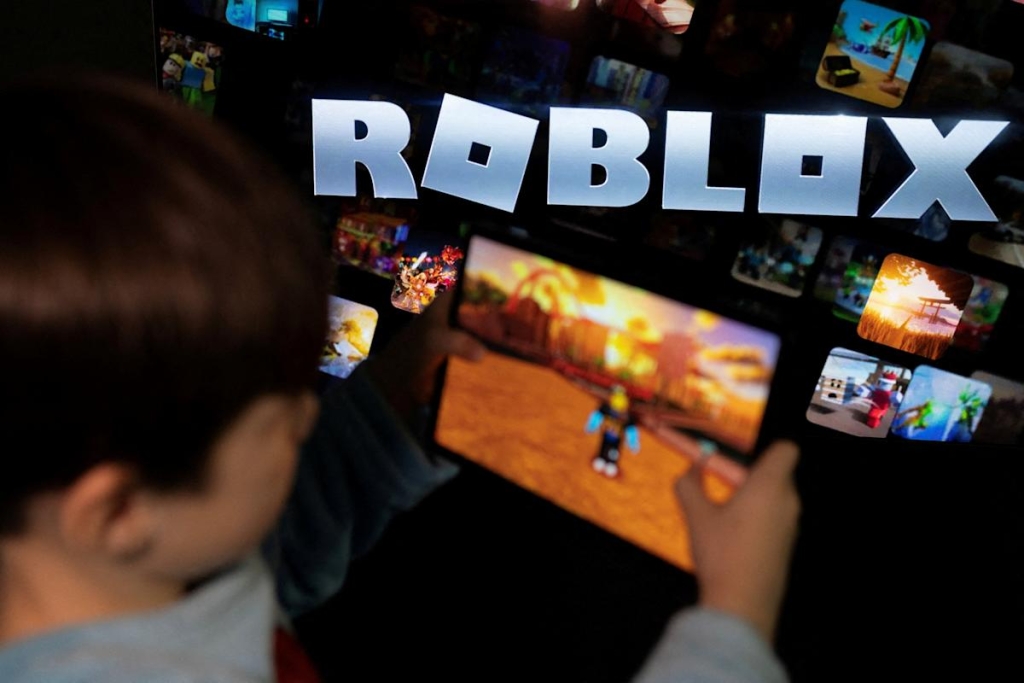
Los Angeles County Sues Roblox Over Alleged Child Safety Failures: A Legal Storm Brewing in the Metaverse
In a dramatic escalation of legal pressure against one of the world’s most popular gaming platforms, Los Angeles County has filed a lawsuit against Roblox Corporation, accusing the company of “unfair and deceptive business practices” that allegedly endanger and exploit children. The lawsuit, filed this week, represents the latest in a growing wave of legal challenges facing the gaming giant across multiple U.S. jurisdictions.
The Allegations: A Platform Built on Deception?
The complaint, filed by Los Angeles County, paints a troubling picture of a platform that markets itself as a safe haven for children while allegedly harboring significant safety vulnerabilities. “Roblox portrays its platform as a safe and appropriate place for children to play,” the lawsuit states emphatically. “In reality, and as Roblox well knows, the design of its platform makes children easy prey for pedophiles.”
This stark characterization forms the backbone of the county’s legal argument. The lawsuit alleges that Roblox has failed to implement adequate safety measures that would protect young users from inappropriate content and potentially dangerous interactions with adult users. According to the complaint, the platform’s moderation systems are insufficient, and age-verification protocols are either non-existent or easily circumvented.
The county’s legal team specifically points to Roblox’s alleged failure to effectively moderate user-generated content and enforce age-appropriate restrictions. “Roblox has not effectively moderated game content or enforced age-appropriate restrictions and warnings established by the creators, allowing predatory and inappropriate language and interactions between users to persist,” the complaint asserts. This failure to police its platform, the lawsuit argues, has created an environment where children are exposed to sexual content and vulnerable to contact with predators.
Roblox’s Defense: Safety Built Into Our DNA
Roblox Corporation has forcefully rejected these allegations, maintaining that child safety is not just a priority but a foundational principle of their platform’s design. In a statement to the Associated Press, the company emphasized its commitment to creating a secure environment for its young users.
“We have advanced safeguards that monitor our platform for harmful content and communications, and users cannot send or receive images via chat, avoiding one of the most prevalent opportunities for misuse seen elsewhere online,” Roblox stated. The company’s defense centers on the technical measures it has implemented to prevent the very harms alleged in the lawsuit.
Roblox points to its proprietary moderation systems, which the company claims use sophisticated algorithms and human oversight to identify and remove inappropriate content. The platform’s chat restrictions, which prevent image sharing, are highlighted as a key safety feature that distinguishes Roblox from other social platforms where predators might more easily share explicit material.
A Growing Legal Assault: Multiple States Join the Fight
The Los Angeles County lawsuit is not an isolated incident but rather part of a coordinated legal campaign against Roblox that has emerged across multiple states. Florida, Texas, and Kentucky have already filed similar lawsuits, and the pattern suggests that more jurisdictions may be preparing to join this legal battle.
Louisiana’s Attorney General has been particularly vocal, accusing Roblox of prioritizing “growth, revenue and profits” over child safety. The Louisiana lawsuit provides particularly disturbing details, including the case of an individual arrested last year who allegedly used voice-altering technology to mimic a younger feminine voice. This predator reportedly used this deception to lure and sexually exploit young players on the platform.
These coordinated legal actions suggest a growing consensus among state prosecutors that Roblox’s safety measures are insufficient, regardless of the company’s public statements about prioritizing child protection. The involvement of multiple state attorneys general also indicates that this is not merely a local concern but a national issue requiring coordinated legal response.
The Scale of the Problem: 144 Million Daily Users
The scope of Roblox’s user base adds urgency to these legal proceedings. The company reports approximately 144 million daily active users worldwide, with over 40 percent of these users under the age of 13. This means that roughly 57.6 million children interact with the platform every single day, creating an enormous responsibility for the company to ensure their safety.
This massive user base presents unique challenges for content moderation and safety enforcement. Unlike traditional video games with controlled, developer-created content, Roblox’s platform allows users to create and share their own games and experiences. While this user-generated content model has been key to Roblox’s explosive growth and popularity, it also creates countless opportunities for inappropriate content to slip through moderation systems.
Past Safety Measures: Too Little, Too Late?
Roblox has implemented several safety measures in recent years, though critics argue these changes came only after sustained pressure and negative publicity. In 2024, the company banned users under 13 from accessing certain types of in-game content and restricted their ability to message with other players outside of specific games. These changes represented a significant tightening of the platform’s safety protocols.
More recently, Roblox began requiring tens of millions of children to verify their age using selfie technology. This measure, implemented last year, represents an attempt to create more robust age verification systems that would prevent older users from posing as children or younger users from accessing age-inappropriate content.
However, the effectiveness of these measures remains questionable. Age verification through selfies can be circumvented, and content moderation systems, no matter how sophisticated, cannot catch every instance of inappropriate content or predatory behavior. Critics argue that these measures represent reactive rather than proactive safety planning.
The Broader Context: Gaming Industry Under Scrutiny
The legal challenges facing Roblox reflect a broader trend of increased scrutiny of technology platforms that serve children. Social media companies, gaming platforms, and other digital services are facing unprecedented regulatory pressure to demonstrate that they are adequately protecting young users from harm.
This shift represents a fundamental change in how society views the responsibilities of technology companies. Where once these platforms operated with minimal oversight, there is now growing recognition that companies profiting from young users have a duty of care that extends beyond mere compliance with existing regulations.
The Roblox case may serve as a precedent for how courts and regulators approach similar platforms in the future. If successful, these lawsuits could force not just Roblox but the entire gaming industry to implement more stringent safety measures and face greater liability for failures to protect young users.
The Stakes: Beyond Legal Liability
The implications of these lawsuits extend far beyond potential financial penalties or legal judgments. Roblox’s business model depends heavily on maintaining the trust of parents who allow their children to use the platform. A perception that Roblox is unsafe could lead to mass user exodus, devastating the company’s growth prospects and market position.
Moreover, the outcome of these legal challenges could reshape how online platforms approach child safety. If courts rule against Roblox, it could establish legal precedents requiring more aggressive content moderation, stricter age verification, and greater transparency about safety measures and incidents.
The case also raises fundamental questions about the balance between creating engaging online experiences for children and protecting them from harm. How much risk is acceptable in digital playgrounds? What level of safety is reasonable to expect from companies operating platforms used by millions of children? These questions have no easy answers but will likely be central to the legal proceedings.
Looking Forward: An Industry at a Crossroads
As the legal challenges against Roblox continue to mount, the gaming industry faces a critical juncture. The outcome of these lawsuits could force a fundamental rethinking of how platforms that serve children operate, potentially leading to more restrictive environments that some argue could diminish the creative and social benefits these platforms provide.
For Roblox, the stakes could not be higher. The company must navigate not only the immediate legal challenges but also the longer-term implications for its business model and industry standing. How it responds to these allegations and what changes it implements could determine whether it remains a leader in children’s digital entertainment or becomes a cautionary tale about the perils of inadequate safety measures.
The coming months will likely bring further developments in this legal saga, with potential ramifications that extend far beyond Roblox to touch every company operating digital platforms for young users. As courts grapple with these complex issues, they will be setting precedents that could shape the future of children’s online experiences for years to come.
Tags & Viral Phrases:
- Roblox child safety lawsuit
- Los Angeles County sues Roblox
- Gaming platform predators exposed
- Digital playground dangers
- Metaverse child exploitation
- Roblox moderation failures
- Tech companies endangering kids
- Gaming industry under fire
- Social media child safety crisis
- Roblox 144 million users at risk
- Online predators targeting children
- Gaming platform legal nightmare
- Roblox faces multiple state lawsuits
- Child safety in the digital age
- Gaming companies must be held accountable
- The dark side of user-generated content
- Parents beware: Roblox dangers
- Technology companies prioritizing profits over protection
- Legal precedent for children’s online safety
- Gaming industry reckoning with child protection
- Roblox safety measures too little too late
- Digital platforms face unprecedented scrutiny
- The billion-dollar question: Are our kids safe online?
- Gaming giant accused of putting children in danger
- State attorneys general unite against Roblox
- The hidden costs of free online gaming
- When fun turns dangerous: The Roblox controversy
- Breaking: Major gaming platform sued for child endangerment
- Exclusive: Inside Roblox’s safety failures
- The lawsuit that could change gaming forever
- Parents outraged as gaming platform faces child safety allegations
- Experts weigh in: Is Roblox doing enough to protect kids?
- The growing movement to hold tech accountable for child safety
- Gaming industry at a crossroads: Profit vs. protection
- Roblox’s reputation on the line as lawsuits mount
- The shocking truth about what’s really happening on Roblox
- State prosecutors say enough is enough: Gaming platforms must do better
- The legal battle that could redefine children’s online experiences
- Inside the investigation: How Roblox allegedly failed to protect millions of children
- The mounting evidence against one of gaming’s biggest names
- What every parent needs to know about Roblox right now
- The billion-dollar platform facing billion-dollar liability
- Gaming’s biggest scandal: The child safety crisis no one saw coming
- Roblox’s response to allegations: “Safety is our top priority”
- But is it enough? Critics say Roblox’s safety measures fall short
- The disturbing details emerging from state investigations
- How one arrested predator used Roblox to target children
- The technology that’s supposed to keep kids safe: Does it work?
- Parents demand answers as gaming platform faces mounting legal pressure
- The ripple effects: How the Roblox lawsuit could impact the entire gaming industry
- Experts predict major changes coming to children’s online platforms
- The fine line between creative freedom and child protection
- Roblox’s massive user base: A blessing and a curse
- The challenges of moderating content for 144 million daily users
- Age verification technology: The solution or just another hurdle?
- Selfie-based age verification: Innovative or easily circumvented?
- The evolution of Roblox’s safety measures: Too little, too late?
- Gaming platforms face new reality: Higher standards, greater liability
- The changing landscape of children’s digital entertainment
- What victory for prosecutors could mean for the future of gaming
- The potential billion-dollar price tag of inadequate safety measures
- Roblox’s reputation recovery: Can it regain parents’ trust?
- The broader implications: How this case could affect all social platforms
- The growing consensus: Tech companies must do more to protect children
- State-level action: A new strategy in the fight for children’s online safety
- The coordinated legal campaign against Roblox: Coincidence or strategy?
- Inside the evidence: What prosecutors say proves Roblox’s failures
- The human cost: Real stories of children affected by platform vulnerabilities
- Parents speak out: “I had no idea this was happening on Roblox”
- The expert analysis: Are Roblox’s safety claims credible?
- The technical challenges: Why moderating user-generated content is so difficult
- The business model dilemma: Can safety and growth coexist?
- Roblox’s path forward: What changes must come next?
- The industry watching closely: How other gaming platforms are responding
- The regulatory implications: Could this lead to new laws governing children’s platforms?
- The international dimension: Are other countries facing similar issues with Roblox?
- The cultural shift: How attitudes toward children’s online safety are evolving
- The financial fallout: What these lawsuits could cost Roblox
- The competitive advantage: Could rivals benefit from Roblox’s troubles?
- The technological solutions: What innovations might better protect children online?
- The educational component: Should platforms do more to teach children about online safety?
- The role of parents: How much responsibility lies with families vs. platforms
- The future of user-generated content: Can it be made safe for children?
- The psychological impact: What exposure to inappropriate content does to young minds
- The law enforcement perspective: How difficult is it to police these platforms?
- The corporate responsibility debate: Where should the line be drawn?
- The generational divide: How different age groups view online safety
- The marketing vs. reality gap: Are platforms being honest about their safety measures?
- The data privacy concerns: How age verification intersects with data protection
- The accessibility issues: Do stricter safety measures limit beneficial online experiences?
- The innovation challenge: Can safety and creativity coexist in children’s platforms?
- The stakeholder perspectives: How different groups view the Roblox controversy
- The timeline of events: How did we get here?
- The unanswered questions: What we still don’t know about Roblox’s safety practices
- The potential outcomes: What different legal rulings could mean
- The industry standards: How Roblox compares to other children’s platforms
- The public relations strategy: How Roblox is managing the crisis
- The shareholder concerns: How the lawsuits are affecting investor confidence
- The employee perspective: What it’s like to work at Roblox during this controversy
- The community response: How Roblox users are reacting to the allegations
- The content creator impact: How developers on the platform are affected
- The future scenarios: What different outcomes could mean for children’s gaming
- The technological arms race: How predators and platforms continually adapt
- The ethical considerations: Balancing business success with child protection
- The historical context: How children’s online safety has evolved over time
- The cross-platform comparisons: Are other gaming platforms facing similar issues?
- The demographic factors: How different age groups use and are affected by Roblox
- The cultural differences: How Roblox safety concerns vary by region
- The academic research: What studies tell us about children’s online safety
- The psychological experts: What professionals say about digital exposure risks
- The legal scholars: How this case could reshape liability for tech companies
- The policy advocates: What changes they’re pushing for in children’s online spaces
- The parental control debate: How much oversight is appropriate
- The educational opportunities: Can these platforms be made both safe and beneficial?
- The technological limitations: What current systems can and cannot do
- The human element: Why technology alone cannot solve the safety problem
- The corporate culture question: Did Roblox’s internal practices contribute to these issues?
- The transparency demands: What information should platforms be required to share
- The accountability measures: How to ensure companies follow through on safety promises
- The international standards: How different countries approach children’s online safety
- The future of digital play: What comes next after this controversy
- The rebuilding process: What Roblox must do to restore trust
- The lessons learned: What other companies can take away from this situation
- The ongoing challenges: Why this problem won’t be solved overnight
- The societal implications: How this reflects broader concerns about children and technology
- The balancing act: How to create engaging yet safe online environments for children
- The innovation imperative: Why solving this problem is crucial for the industry’s future
- The Roblox case study: What future business students will learn from this controversy
- The ultimate question: Can any platform truly be safe for millions of children?
,


Leave a Reply
Want to join the discussion?Feel free to contribute!