
LG is done with 8K TVs, and it’s about time we admitted the tech failed
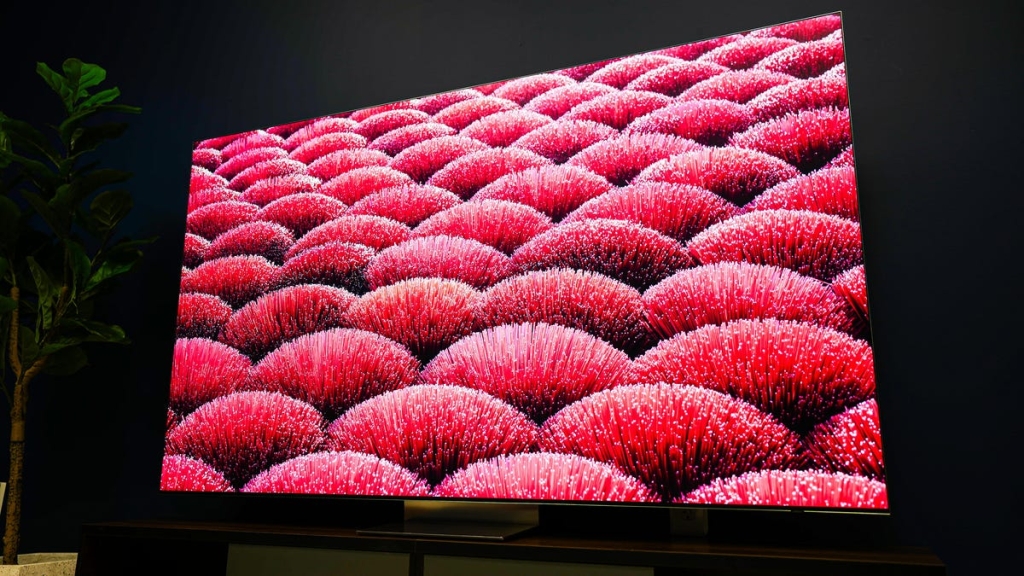
LG Officially Halts 8K TV Production: The End of an Overhyped Era?
In a move that signals the definitive sunset of an ambitious but ultimately failed technology, LG has officially ceased production of 8K televisions, leaving Samsung as the last major manufacturer still clinging to the format. This decision marks a pivotal moment in home entertainment history, effectively confirming what industry insiders have suspected for years: 8K television was a technological dead end that consumers never embraced.
The 8K Dream That Never Materialized
When 8K televisions first debuted a decade ago, they promised a quantum leap in visual fidelity that would revolutionize home viewing. With four times the resolution of 4K and sixteen times that of standard HD, 8K represented the pinnacle of display technology. Manufacturers positioned these premium sets as the future of home entertainment, with price tags to match—often ranging from $3,000 to $4,000 for mid-range models.
However, the promise of 8K quickly collided with harsh market realities. Despite the technological achievement, consumer adoption remained tepid at best. The fundamental problem was simple: there was virtually nothing to watch in 8K. While YouTube offered a handful of demo videos, most were simply upscaled 4K content rather than true 8K recordings. Major streaming platforms, Hollywood studios, and broadcast networks showed little interest in developing 8K content pipelines.
The Perfect Storm of Failure
Several factors converged to doom 8K television:
Content Desert: The chicken-and-egg problem proved insurmountable. Without widespread consumer adoption, content creators had no incentive to produce 8K material. Without content, consumers had no reason to buy expensive 8K sets.
Price Premium: 8K televisions commanded significant price premiums over comparable 4K models. While good 4K TVs could be found for under $1,000, 8K sets rarely dipped below $2,500, placing them firmly in luxury territory.
Perceptual Limitations: Perhaps most damning was the question of whether consumers could even perceive the difference. A landmark study from the University of Cambridge revealed that for typical living room viewing distances (approximately 8 feet), the human eye cannot distinguish between 4K, 8K, or even lower resolutions on screens of conventional sizes.
Market Confusion: The 8K push created consumer confusion at a time when 4K was still gaining traction. Many buyers questioned whether they should wait for 8K or invest in currently available 4K technology.
Samsung’s Lone Stand
With LG’s exit, Samsung remains the sole major manufacturer still producing 8K televisions. However, the company’s position appears increasingly precarious. Samsung’s 2026 TV lineup announcement at CES made no mention of 8K models, suggesting the company may be preparing to follow LG’s lead.
Industry analysts speculate that Samsung is maintaining 8K production primarily for professional applications—digital signage, medical imaging, and specialized industrial displays where the extreme resolution provides genuine utility. For consumer markets, however, the writing appears to be on the wall.
What Killed 8K? The Perfect Technology Storm
The failure of 8K television represents a fascinating case study in how even technologically superior products can fail in the marketplace. Several key factors contributed to its demise:
The Content Gap: Unlike previous resolution upgrades (SD to HD, HD to 4K), there was no natural content migration path to 8K. Streaming services, which dominate modern viewing habits, would need massive bandwidth increases to deliver 8K streams, making the economics prohibitive.
Consumer Apathy: Market research consistently showed that consumers prioritized other features—picture quality enhancements, smart capabilities, design aesthetics—over raw resolution increases.
Technological Misalignment: The industry bet heavily on resolution when consumers were actually more interested in other improvements like better contrast, wider color gamuts, and smoother motion handling.
The Future of Television Technology
With 8K effectively dead in the consumer market, the industry is pivoting toward enhancements that deliver visible, tangible benefits:
OLED and QD-OLED Dominance: These technologies offer superior contrast ratios, perfect blacks, and wider color gamuts that are immediately noticeable to viewers, regardless of viewing distance.
Mini-LED Advancements: Improved local dimming capabilities in Mini-LED displays provide better HDR performance and contrast without the burn-in risks associated with OLED.
AI Processing: Artificial intelligence is revolutionizing picture processing, with machine learning algorithms that can upscale lower-resolution content convincingly while optimizing color, contrast, and motion in real-time.
Form Factor Innovation: Manufacturers are exploring new display geometries, including larger screens with minimal bezels, innovative mounting solutions, and even transparent displays for commercial applications.
The 4K Sweet Spot
Industry experts now agree that 4K represents the optimal balance of resolution, content availability, and affordability. Unlike 8K, 4K has achieved critical mass—streaming services offer extensive 4K libraries, gaming consoles support 4K output, and broadcast standards are gradually transitioning to 4K.
The focus has shifted from simply adding pixels to enhancing the quality of existing pixels. This approach delivers immediate, perceptible improvements that justify premium pricing without requiring consumers to make quantum leaps in their expectations or budgets.
Professional and Emerging Applications
While consumer 8K television appears dead, the technology isn’t disappearing entirely. Professional applications continue to find value in extreme resolution:
Medical Imaging: High-resolution displays enable more detailed analysis of medical scans and diagnostic imagery.
Digital Signage: Large-format commercial displays benefit from 8K resolution when viewed up close.
Virtual Production: Film and television production increasingly use 8K displays for virtual sets and backgrounds.
Emerging Display Technologies: Augmented and virtual reality applications may yet find uses for 8K resolution, where the display sits mere inches from the viewer’s eyes.
Market Implications and Consumer Benefits
The death of 8K television ultimately benefits consumers by redirecting industry resources toward meaningful improvements. Rather than chasing diminishing returns in resolution, manufacturers can focus on technologies that genuinely enhance viewing experiences.
This shift also stabilizes the market, giving consumers confidence that their 4K investments remain relevant and that future upgrades will deliver noticeable improvements rather than marginal resolution gains that may not even be perceptible.
Looking Ahead: The Next Big Thing
Industry analysts predict that the next major television innovation won’t be about resolution at all. Instead, expect to see continued refinement of existing technologies combined with new approaches to picture quality, user interface, and integration with smart home ecosystems.
AI will play an increasingly central role, not just in picture processing but in content recommendation, voice control, and even predictive maintenance. The television of the future will be less about raw specifications and more about intelligent, personalized viewing experiences.
The failure of 8K television serves as a valuable lesson in technology adoption: superior specifications don’t guarantee market success. Consumer needs, content ecosystems, and practical usability ultimately determine which technologies thrive and which fade into obscurity.
As LG exits the 8K market and Samsung’s commitment wavers, the television industry appears to have learned this lesson well. The future belongs not to higher resolution, but to better resolution—and that’s good news for everyone who loves great picture quality.
Tags & Viral Phrases:
8K TV dead, LG stops 8K production, Samsung last 8K holdout, 8K failure explained, why 8K failed, 4K vs 8K difference, TV technology evolution, OLED vs 8K, Mini-LED future, AI TV processing, CES 2026 TVs, best TV 2026, television industry news, display technology trends, consumer electronics failure, resolution wars over, next-gen TV features, smart TV AI, home entertainment revolution, tech industry pivots, display market analysis, consumer tech disappointment, premium TV pricing, content availability issues, human eye resolution limits, professional display applications, virtual production tech, medical imaging displays, digital signage innovation, AR/VR display tech, television buying guide 2026, tech industry case study, market adoption failure, consumer electronics trends, home theater technology, streaming resolution standards, gaming TV requirements, broadcast technology future, television manufacturing shifts, industry consolidation, tech hype cycles, failed technology products, consumer preference analysis, display specification wars, television innovation roadmap, smart home integration, voice control TV, predictive TV maintenance, personalized viewing experiences, intelligent entertainment systems.
,


Leave a Reply
Want to join the discussion?Feel free to contribute!