
Linus Torvalds Rejects MMC Changes For Linux 7.0 Cycle: “Complete Garbage”
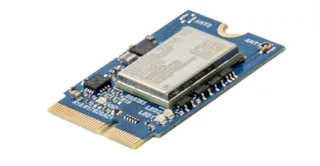
Linux 7.0: Massive MMC Subsystem Changes Rejected Over “Untested Garbage” Claims
In a dramatic turn of events that has sent shockwaves through the Linux kernel development community, Linus Torvalds has outright rejected a substantial set of MultiMediaCard (MMC) subsystem improvements for the upcoming Linux 7.0 release. The rejection came with scathing criticism that has left developers stunned and questioning the future of hardware support in the kernel.
The Promised Improvements That Never Made It
The MMC subsystem changes were poised to bring significant enhancements to Linux’s storage and memory card capabilities. Developers had queued up an impressive array of improvements including:
- NXP IW61x device IDs for WiFi chips operating over SDIO interfaces
- Support for manufacturing dates extending beyond 2025
- Optimized secure erase and TRIM operations for specific Kingston eMMCs
- Comprehensive DW_MMC code clean-ups
- Mediatek MT8189 support within the mtk-sd framework
- Various SHDCI driver updates
These changes represented months of work from contributors across the embedded systems and storage hardware spectrum, promising better compatibility and performance for a wide range of devices.
The Build Failure That Exposed Deeper Issues
The rejection stemmed from a fundamental compilation failure that exposed a critical oversight in the development process. When CONFIG_MULTIPLEXER was set to “m” (module), the build system attempted to compile core.o, but the accompanying header file included conditional compilation that failed to account for module builds.
Specifically, the code in drivers/mux/core.c:312 triggered redefinition errors because the header mux/consumer.h defined dummy wrapper functions when CONFIG_MULTIPLEXER_MODULE was active, but the core code expected different behavior. This created a cascade of compilation failures that made the entire patchset unbuildable.
Linus’s Scathing Response
Torvalds’s response was unusually harsh, even by his famously direct standards. In his rejection email, he labeled the changes “complete garbage” and “pure unadulterated untested garbage,” emphasizing that the code “has apparently never been in linux-next or been build-tested in any way.”
The kernel maintainer made it clear this wasn’t just about the technical issues: “Stop sending me untested crap that hasn’t been in linux-next and doesn’t even pass the most cursory smell test.” He went further, declaring that he would not accept any more submissions from the contributor during the current merge window, with a warning that future submissions would only be considered if they had been properly vetted through linux-next and subjected to comprehensive testing.
The Linux-next Controversy
The linux-next tree serves as the kernel’s integration testing ground, where subsystem changes are combined and tested before being considered for mainline inclusion. The fact that these MMC changes bypassed this crucial step represents a significant breach of kernel development protocol. This oversight suggests either a breakdown in communication within the development team or a concerning rush to get features merged without proper validation.
Impact on Linux 7.0 Development
The rejection of these MMC changes creates a notable gap in Linux 7.0’s hardware support capabilities. The MMC subsystem handles not just traditional SD cards and eMMC storage, but also various embedded wireless modules and specialized hardware interfaces. The delay means users of affected hardware will need to wait until the Linux 7.1 merge window opens in mid-April for these improvements to potentially land.
Broader Implications for Kernel Development
This incident highlights the ongoing tension between rapid hardware support development and the kernel’s stringent quality requirements. The MMC subsystem, while perhaps not as visible as core kernel components, is crucial for embedded systems, mobile devices, and countless IoT applications. The rejection serves as a stark reminder that even well-intentioned improvements can be rejected outright if they don’t meet the kernel’s exacting standards for testing and integration.
What’s Next for MMC Support
Developers now face the challenge of reworking these changes to meet mainline requirements. This involves not just fixing the compilation issues but ensuring comprehensive testing across various configurations and platforms. The MMC subsystem’s complexity, spanning everything from simple SD card readers to sophisticated wireless modules, means thorough testing will be essential.
The incident also raises questions about the development process for hardware-specific subsystems. With the increasing complexity of modern hardware and the pressure to support new devices quickly, finding the right balance between innovation and stability remains an ongoing challenge for the Linux kernel community.
Industry Reaction
The rejection has sparked discussions across developer forums and mailing lists about the state of hardware support development in the Linux kernel. Some developers have expressed sympathy for the contributors, noting the pressure to get new hardware support into mainline quickly. Others have supported Torvalds’s hardline stance, arguing that the kernel’s reputation for stability and reliability depends on maintaining strict quality standards.
Hardware manufacturers and embedded system developers are particularly affected by this delay, as many rely on the MMC subsystem for critical functionality in their products. The rejection may force some to maintain out-of-tree patches longer than anticipated or seek alternative approaches to hardware support.
Looking Forward
As the Linux 7.0 release approaches, the kernel development community will be watching closely to see how this situation is resolved. The MMC subsystem changes represent important functionality for many users, and their eventual inclusion will be crucial for maintaining Linux’s position as a leading operating system for both embedded and general-purpose computing.
The incident serves as a valuable lesson for all kernel contributors about the importance of proper testing, adherence to development processes, and the consequences of bypassing established quality assurance mechanisms. As Linux continues to evolve and support increasingly complex hardware, maintaining these standards while enabling innovation remains one of the kernel’s greatest challenges.
Tags & Viral Phrases:
untested crap, complete garbage, Linus Torvalds meltdown, Linux kernel drama, MMC subsystem rejected, linux-next failure, kernel development controversy, hardware support crisis, compilation errors, build failure, kernel maintainer rage, embedded systems impact, SD card support delayed, eMMC optimizations blocked, kernel quality standards, development process breakdown, linux-next controversy, hardware manufacturers affected, kernel development lessons, stability vs innovation, Linux 7.0 controversy, MMC changes blocked, kernel merge window drama, untested garbage rejected, linux kernel meltdown, hardware support crisis, kernel development standards, MMC subsystem drama, Linus Torvalds angry, kernel quality control, development process failure, hardware compatibility issues, kernel development controversy, Linux kernel drama, MMC subsystem problems, kernel maintainer criticism, development process breakdown, hardware support delays, kernel quality assurance, Linux development standards, MMC hardware support, kernel development lessons, stability requirements, innovation challenges, kernel development process, hardware compatibility, kernel quality standards, development process issues, kernel development drama, hardware support crisis, kernel development controversy, Linux kernel drama, MMC subsystem issues, kernel maintainer criticism, development process breakdown, hardware support delays, kernel quality assurance, Linux development standards, MMC hardware support, kernel development lessons, stability requirements, innovation challenges, kernel development process, hardware compatibility, kernel quality standards, development process issues
,


Leave a Reply
Want to join the discussion?Feel free to contribute!