
Linux 7.0-rc2 Released: “So I’m Not Super-Happy With How Big This Is”
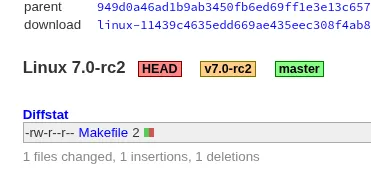
Linux 7.0-rc2 Released: A Massive Step Forward, Packed with Fixes and New Features
The second release candidate for Linux 7.0 is now available for testing, bringing with it a wealth of fixes, improvements, and intriguing new features. This release marks a significant milestone in the Linux kernel’s development, setting the stage for the stable release expected by mid-April. Let’s dive into the details of what makes this release so noteworthy.
A Closer Look at Linux 7.0-rc2
The Linux 7.0-rc2 release follows closely on the heels of Linux 7.0-rc1, which concluded the busy merge window for this version. This release candidate is packed with an initial batch of fixes, addressing various issues that have been identified since the previous release. Among the most notable fixes are numerous AMDXDNA Ryzen AI accelerator driver fixes, which are crucial for enhancing the performance and stability of AMD’s cutting-edge hardware.
In addition to the AMD-specific fixes, the release also includes scattered kernel graphics driver fixes, ensuring that a wide range of graphics hardware continues to function smoothly. Linus Torvalds, the creator of Linux, has also contributed a change himself, focusing on dropping an old Kconfig option to address tiresome log spam messages. This small but significant tweak is part of a broader effort to streamline the kernel’s codebase and improve the user experience.
The Scale of Changes
One of the most striking aspects of Linux 7.0-rc2 is the sheer scale of changes it introduces. Linus Torvalds noted in his announcement that this release is unusually large, with a significant number of non-merge commits. He speculated that this might be due to pent-up work from the extended development cycle of the previous kernel version, Linux 6.19, which dragged out an extra week. Whether this trend continues or not, it’s clear that the development team is working hard to ensure that Linux 7.0 is as robust and feature-rich as possible.
Interestingly, the bulk of the changes in this release aren’t concentrated in the drivers, which is somewhat unusual. While drivers still account for a quarter of the diff, they are only a quarter, whereas normally they make up at least half. The remaining changes are distributed across various areas, with filesystems (including SMB client, XFS, and erofs) accounting for another 25%. The rest of the diff is a more mixed bunch, with tests (especially BPF), core kernel, BPF, architecture updates, and networking code leading the charge.
What’s Next?
As the development team continues to refine Linux 7.0, users and developers alike can look forward to a stable release by mid-April. This release promises to bring a host of new features and improvements, making it a must-have for anyone running a Linux-based system. For those eager to learn more about what’s in store, the Linux 7.0 feature overview provides a comprehensive look at the exciting changes coming with this kernel release.
Tags and Viral Phrases
- Linux 7.0-rc2
- Kernel development
- AMDXDNA Ryzen AI accelerator
- Graphics driver fixes
- Linus Torvalds
- Kconfig option
- Log spam messages
- File systems
- SMB client
- XFS
- Erfs
- BPF tests
- Core kernel
- Architecture updates
- Networking code
- Stable release
- Mid-April release
- Linux kernel features
- Development cycle
- Merge window
- Non-merge commits
- Diff analysis
- Hardware compatibility
- Performance enhancements
- User experience
- Codebase streamlining
- Feature-rich kernel
- Robust system
- Linux-based systems
- Comprehensive overview
- Exciting changes
- Must-have update
This release of Linux 7.0-rc2 is a testament to the ongoing dedication and hard work of the Linux kernel development community. With its focus on fixing bugs, enhancing performance, and introducing new features, it’s clear that Linux 7.0 is shaping up to be a significant release. As we move closer to the stable release, the anticipation continues to build, and users can look forward to a more powerful and efficient Linux experience.
,

Leave a Reply
Want to join the discussion?Feel free to contribute!