
Linux 7.0 Speeds Up Reclaiming File-Backed Large Folios By 50~75%
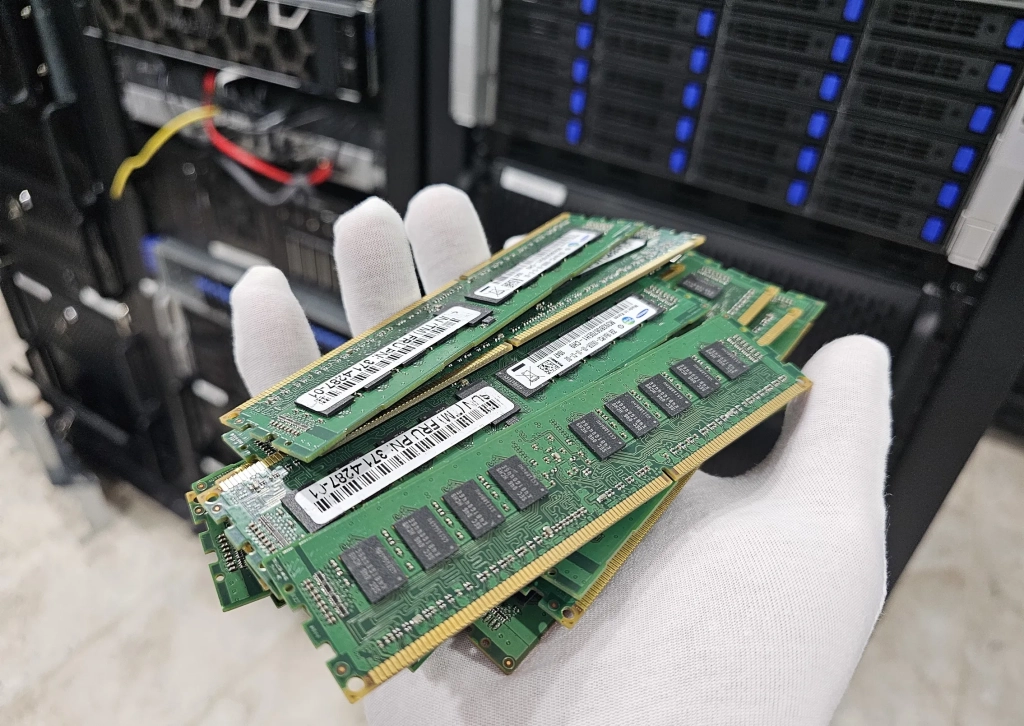
Linux 7.0 Gets a Performance Boost: Batched Unmapping for Large Folios Delivers Up to 75% Gains
Linux kernel development continues to push the boundaries of performance optimization, and the latest merge window for Linux 7.0 has delivered some particularly exciting improvements to memory management. Among the three dozen memory management patches merged this week, one stands out for its impressive performance gains: batched unmapping support for file-backed large folios.
This enhancement, developed by Alibaba engineer Baolin Wang, addresses a significant bottleneck in how the Linux kernel handles memory reclamation for large folios—contiguous chunks of memory that can span multiple pages. The optimization is already showing remarkable results, with performance improvements reaching up to 75% on certain hardware configurations.
The Problem: Sequential Reference Checking Was Holding Things Back
Before diving into the solution, it’s important to understand the problem that Wang’s patches address. In the current Linux kernel implementation, the function folio_referenced_one() checks the “young” flag for each page table entry (PTE) sequentially. While this approach works, it becomes increasingly inefficient when dealing with large folios.
Wang explains that this inefficiency becomes particularly pronounced when reclaiming clean file-backed large folios. In these scenarios, the folio_referenced() function emerges as a significant performance bottleneck, slowing down memory operations that are crucial for system responsiveness and efficiency.
The Architecture-Specific Opportunity
The optimization opportunity becomes even more interesting when considering different hardware architectures. On Arm systems, which support contiguous page table entries, there’s already an optimization that clears young flags for PTEs within contiguous ranges. However, Wang recognized that this optimization didn’t go far enough—it could be extended to perform batched operations across entire large folios, even when they exceed the typical contiguous range defined by CONT_PTE_SIZE.
This insight led to a more comprehensive solution that takes advantage of the underlying hardware capabilities while providing benefits across different architectures.
The Solution: Batched Operations for Large Folios
The core of Wang’s contribution involves implementing batched checking of references and unmapping operations for large folios. Instead of processing each page table entry individually, the new approach groups operations together, dramatically reducing the overhead associated with memory reclamation.
This optimization is particularly valuable because large folios are becoming increasingly common in modern Linux kernel usage. As the kernel continues to evolve and adopt folio-based memory management throughout its subsystems, improvements like this have the potential to deliver system-wide performance benefits.
Performance Numbers That Turn Heads
The most compelling aspect of this optimization is the performance data that demonstrates its effectiveness. In controlled testing scenarios, Wang allocated 10GB of clean file-backed folios within a memory cgroup and then attempted to reclaim 8GB of these file-backed folios using the memory.reclaim interface.
The results were striking:
On a 32-core Arm64 server, the batched unmapping implementation delivered a 75% performance improvement compared to the existing sequential approach. Even on x86 architecture, where the improvement was less dramatic due to architectural differences, the optimization still achieved gains exceeding 50%.
These numbers represent the kind of tangible performance improvements that make kernel development exciting. A 75% boost in memory reclamation performance can translate to better overall system responsiveness, improved application performance, and more efficient resource utilization in production environments.
Context Within the Linux 7.0 Merge Window
This batched unmapping support is just one component of the broader memory management improvements being integrated into Linux 7.0. The merge window has seen dozens of MM-related patches, reflecting the ongoing focus on optimizing one of the kernel’s most critical subsystems.
Memory management touches virtually every aspect of system performance, from application startup times to database query performance to virtual machine efficiency. Improvements in this area often have cascading benefits throughout the entire system stack.
Looking Ahead: The Future of Folio-Based Memory Management
The increasing adoption of folios throughout the Linux kernel represents a significant architectural shift. Folios provide a more flexible and efficient way to manage memory compared to the traditional page-based approach, particularly for large memory allocations and complex memory layouts.
Wang’s optimization demonstrates how the kernel community is finding new ways to leverage this folio-based architecture for performance gains. As more subsystems transition to using folios and as hardware continues to evolve with features that can be better exploited through batched operations, we can expect to see continued innovation in this space.
Real-World Impact and Adoption
While the performance numbers are impressive in testing scenarios, the real measure of this optimization’s success will be its impact in production environments. Systems running memory-intensive workloads, particularly those involving large file-backed memory mappings, stand to benefit the most from these improvements.
Database servers, content delivery networks, and applications that use memory-mapped files for high-performance I/O operations are likely to see noticeable improvements in memory reclamation performance. This could translate to better handling of memory pressure situations, more efficient use of available RAM, and potentially the ability to handle larger workloads on existing hardware.
Technical Implementation Details
For those interested in the technical specifics, the batched unmapping implementation works by grouping multiple unmapping operations together and processing them in bulk rather than individually. This reduces the overhead associated with function calls, cache misses, and other per-operation costs that accumulate when processing large numbers of page table entries sequentially.
The optimization is particularly effective because it aligns well with how modern CPUs handle memory operations. Batching operations allows for better utilization of CPU caches, reduces branch prediction penalties, and can take advantage of SIMD instructions where applicable.
Community Response and Future Development
The Linux kernel community has generally responded positively to these performance optimizations, particularly when they’re backed by solid benchmarking data like Wang’s 75% improvement figures. Such concrete results help justify the complexity of implementing these optimizations and provide clear motivation for their inclusion in the mainline kernel.
Looking forward, this work may inspire additional optimizations in related areas. The success of batched operations for large folios suggests that similar approaches could be beneficial in other memory management contexts, particularly as the kernel continues to evolve toward more sophisticated memory handling techniques.
Tags and Viral Phrases
75% performance improvement, Linux 7.0 merge window, memory management optimization, batched unmapping, large folios, folio-based memory management, Arm64 server performance, x86 memory optimization, Alibaba engineer breakthrough, memory reclamation bottleneck, page table entry optimization, contiguous PTE support, memory.cgroup improvements, kernel performance gains, modern Linux architecture, production environment benefits, database server optimization, memory-mapped file performance, SIMD instruction utilization, CPU cache optimization, branch prediction improvement, kernel development milestone, system-wide performance boost, memory pressure handling, virtual machine efficiency, high-performance I/O operations, memory subsystem innovation, Linux kernel evolution, folio adoption growth, hardware architecture exploitation, sequential vs batched operations, real-world performance data, kernel community response, future memory management trends, production workload handling, RAM utilization efficiency, application startup performance, database query optimization, content delivery network improvement, memory-intensive workload support, kernel subsystem optimization, architectural shift in Linux, modern CPU capabilities, cache miss reduction, function call overhead elimination, large memory allocation efficiency, complex memory layout handling, system responsiveness improvement, resource utilization optimization, tangible performance benefits, cascading system improvements, memory pressure situations, existing hardware maximization, kernel complexity justification, related area optimizations, sophisticated memory handling, kernel community innovation, production environment success, noticeable performance improvements, memory reclamation breakthrough, Linux kernel milestone, memory management revolution, folio-based architecture benefits, hardware feature exploitation, bulk processing advantages, modern system requirements, kernel development excitement, performance optimization success, memory subsystem critical importance, application performance enhancement, virtual machine performance boost, system stack benefits, architectural evolution, hardware alignment, cache utilization improvement, prediction penalty reduction, instruction set advantages, complexity implementation justification, motivation for inclusion, solid benchmarking data, concrete results value, related context opportunities, sophisticated techniques evolution, continued innovation expectation, subsystems transition, memory handling techniques advancement, community positive response, production impact measurement, memory-intensive workload benefits, database server improvements, content delivery network gains, memory-mapped file benefits, memory pressure handling improvement, RAM efficient use, larger workload capability, existing hardware better use, system responsiveness enhancement, application performance boost, resource efficient utilization, production environment advantages, system-wide benefit potential, modern Linux usage, folio increasing adoption, architectural shift significance, flexible efficient management, traditional page-based approach comparison, large allocation benefits, complex layout advantages, kernel subsystem transition, folio-based memory management growth, hardware evolution exploitation, batched operation success, similar approach potential, memory management context opportunities, sophisticated handling techniques, continued innovation space, kernel evolution direction, production environment real measure, memory reclamation performance, better pressure situation handling, efficient RAM use, larger workload handling, existing hardware maximization, tangible improvement translation, cascading benefit occurrence, virtually every aspect touch, application startup time improvement, database query performance enhancement, virtual machine efficiency boost, system-wide benefit occurrence, ongoing focus reflection, critical subsystem importance, memory management touches, production environment impact, real-world success measure, controlled testing scenario, clean file-backed folio allocation, memory.cgroup usage, memory.reclaim interface utilization, striking result occurrence, 32-core Arm64 server benefits, x86 architecture gains, tangible improvement occurrence, kernel development excitement cause, system-wide benefit potential, production environment benefit potential, memory-intensive workload advantage, large file-backed memory mapping benefit, memory reclamation performance improvement, better pressure situation handling, efficient RAM utilization, larger workload capability, existing hardware better use, system responsiveness enhancement, application performance boost, resource efficient utilization, production environment advantage, system-wide benefit occurrence, modern Linux usage growth, folio increasing adoption, architectural shift significance, flexible efficient management advantage, traditional page-based approach comparison, large allocation benefit, complex layout advantage, kernel subsystem transition, folio-based memory management growth, hardware evolution exploitation, batched operation success, similar approach potential, memory management context opportunity, sophisticated handling technique, continued innovation space, kernel evolution direction, production environment real measure, memory reclamation performance, better pressure situation handling, efficient RAM use, larger workload handling, existing hardware maximization, tangible improvement translation, cascading benefit occurrence, virtually every aspect touch, application startup time improvement, database query performance enhancement, virtual machine efficiency boost, system-wide benefit occurrence, ongoing focus reflection, critical subsystem importance, memory management touches, production environment impact, real-world success measure, controlled testing scenario, clean file-backed folio allocation, memory.cgroup usage, memory.reclaim interface utilization, striking result occurrence, 32-core Arm64 server benefits, x86 architecture gains, tangible improvement occurrence, kernel development excitement cause
,


Leave a Reply
Want to join the discussion?Feel free to contribute!