
Linux Kernel LTS Support Extended for Multiple Releases
Linux Kernel LTS Support Extended: What It Means for Enterprise and Developers
In a significant update that’s sending ripples through the open-source and enterprise tech communities, Linux kernel maintainer Greg Kroah-Hartman has officially revised the projected end-of-life (EOL) dates for multiple long-term support (LTS) kernel releases. This move extends the maintenance window for several critical branches, ensuring that businesses, developers, and hardware vendors can rely on these kernels for even longer than previously anticipated.
The announcement, posted on kernel.org, comes after extensive discussions with industry stakeholders and fellow kernel maintainers. The goal? To align kernel support timelines with the real-world needs of enterprises, cloud providers, and embedded device manufacturers who depend on predictable, multi-year stability.
What’s Changing?
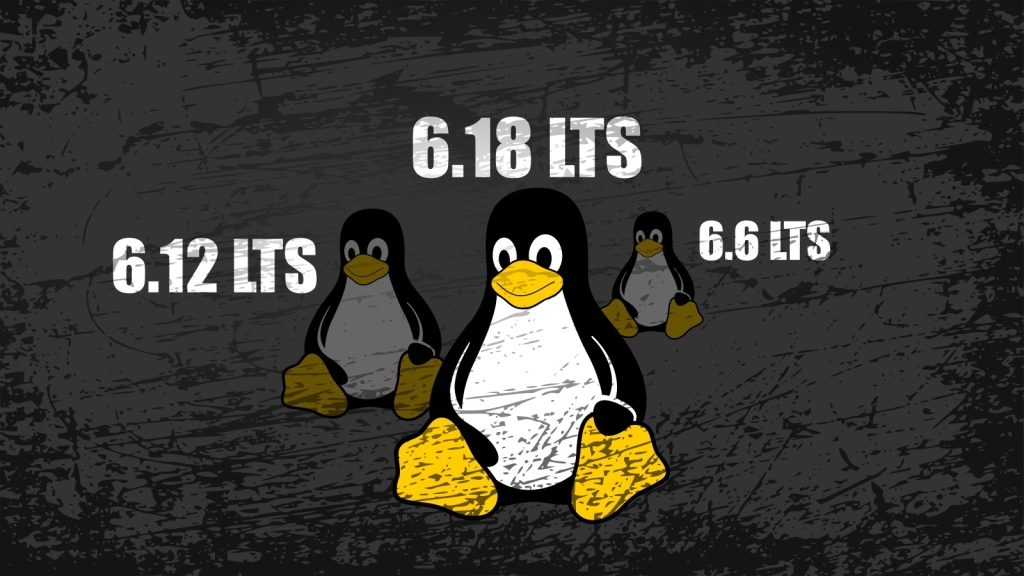
Here’s the breakdown of the updated EOL projections:
- Linux 6.18: Now supported through December 2028 (previously shorter)
- Linux 6.12: Now supported through December 2028 (previously shorter)
- Linux 6.6: Now supported through December 2027 (previously shorter)
- Linux 6.1: Remains supported through December 2027
- Linux 5.15: Remains supported through December 2026
- Linux 5.10: Remains supported through December 2026
These updates are particularly impactful for the newer 6.x LTS series, which have become the backbone of many enterprise Linux distributions, cloud platforms, and IoT devices. By extending support, the Linux kernel team is effectively giving organizations more breathing room to plan upgrades, reduce operational risk, and avoid costly migrations.
Why Does This Matter?
For enterprises, extended kernel support isn’t just a technical detail—it’s a strategic advantage. Many businesses run mission-critical applications on stable kernel branches, and unexpected EOL dates can force rushed migrations or expose systems to security risks. By pushing back these dates, Kroah-Hartman and his team are providing a longer runway for organizations to test, validate, and deploy updates at their own pace.
Cloud providers and hardware vendors also stand to benefit. With extended support, they can continue to offer consistent, reliable environments to their customers without the pressure of frequent kernel upgrades. This is especially crucial for embedded systems and IoT devices, where upgrading the kernel can be a complex, resource-intensive process.
No Technical Changes—Just More Time
It’s important to clarify that this update doesn’t introduce any new features or technical modifications to the kernel itself. Instead, it’s a recalibration of the public EOL timelines to better reflect the ongoing maintenance commitments. In other words, the kernels you’re using today will continue to receive updates, patches, and security fixes for the newly extended periods.
For those who want to dive deeper, Kroah-Hartman’s commit detailing the changes is available on the kernel.org repository.
The Bigger Picture
This move underscores the Linux kernel community’s commitment to stability and long-term support. As Linux continues to power everything from smartphones to supercomputers, ensuring predictable maintenance cycles is essential for both individual developers and large organizations.
By extending these support windows, the community is not only reducing the burden on enterprises but also reinforcing Linux’s reputation as a reliable, enterprise-ready platform. Whether you’re a system administrator, a DevOps engineer, or a hardware manufacturer, this update is a welcome sign that the Linux kernel is evolving to meet the needs of its diverse user base.
Final Thoughts
In a world where technology moves at breakneck speed, the Linux kernel’s extended support timelines offer a rare moment of stability. For businesses and developers alike, this means more time to innovate, less pressure to migrate, and greater confidence in the platforms they rely on every day.
As the Linux ecosystem continues to grow, expect more updates like this—ones that prioritize long-term reliability over short-term gains. After all, in the world of open-source software, stability isn’t just a feature; it’s a promise.
Tags: Linux kernel, LTS support, Greg Kroah-Hartman, enterprise Linux, kernel.org, open-source, extended support, cloud platforms, embedded systems, IoT, DevOps, system administration, kernel updates, EOL dates, enterprise distributions
Viral Sentences:
- “Linux kernel LTS support just got a major extension—here’s what it means for your business.”
- “Greg Kroah-Hartman extends Linux kernel support—enterprises rejoice!”
- “Why extended Linux kernel support is a game-changer for cloud and IoT.”
- “Linux kernel’s new EOL dates: More stability, less stress for developers.”
- “The Linux kernel community just gave enterprises a longer runway—here’s how.”
,


Leave a Reply
Want to join the discussion?Feel free to contribute!