
Lockheed Martin F-35s Can Be Jailbroken Like $80 Million iPhones, European Military Chief Says
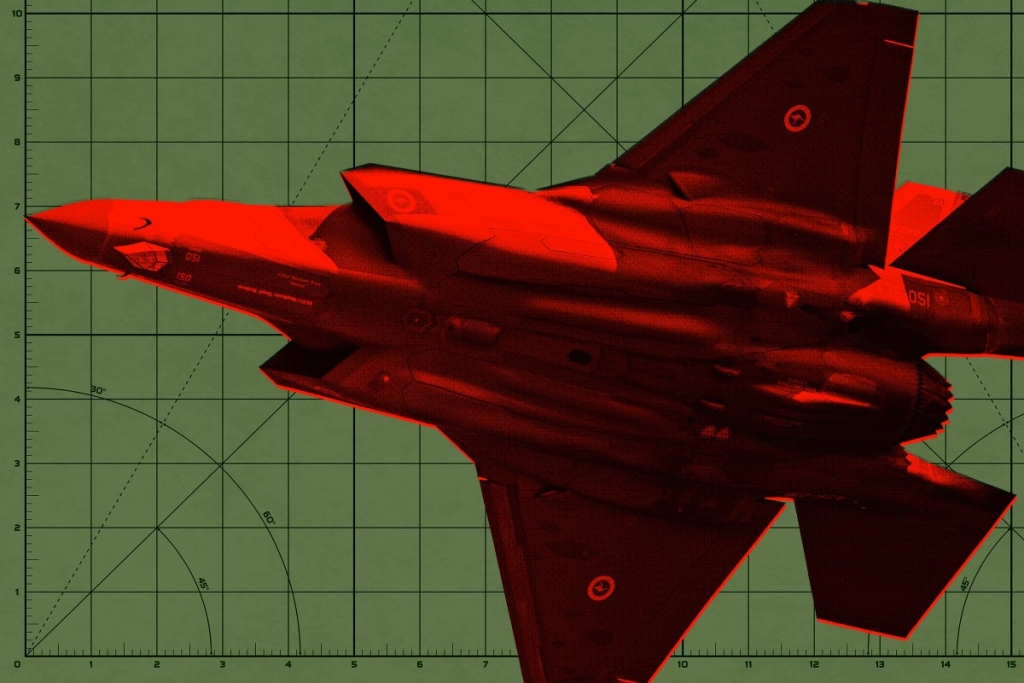
Dutch Defense Secretary Claims F-35 Fighter Jets Can Be “Jailbroken” Like iPhones
In a startling revelation that has sent shockwaves through the defense community, Dutch Defense Secretary Gijs Tuinman has claimed that Lockheed Martin’s F-35 Lightning II fighter jets can be “jailbroken” just like consumer smartphones. The controversial statement, made during an appearance on the Danish podcast “Boekestijn en De Wijk,” suggests that European military forces might maintain operational control over these sophisticated aircraft even without continued American support.
“The F-35 is truly a shared product,” Tuinman explained during the interview, which was later translated and reported by The Register. “The British make the Rolls-Royce engines, and the Americans simply need them too. And even if this mutual dependency doesn’t result in software updates, the F-35, in its current state, is still a better aircraft than other types of fighters.”
But it was Tuinman’s subsequent admission that captured international attention. “If you still want to upgrade despite everything—I’m going to say something I should never say, but I will anyway—you can jailbreak an F-35 just like an iPhone.”
The Dutch defense secretary’s comments highlight growing tensions between European military forces and American defense contractors over software control of sophisticated weapons systems. The F-35, which costs approximately $80 million per unit, relies on Lockheed Martin’s proprietary Automatic Logistics Information System (ALIS) for software updates and maintenance. This system functions similarly to how Apple pushes updates to its iPhone ecosystem, but with far more consequential implications.
Industry experts note that while the physical aircraft may be owned by European nations, the software that controls critical functions remains under American jurisdiction. This arrangement has raised concerns about potential vulnerabilities, particularly given recent geopolitical tensions and threats of trade restrictions from Washington.
The F-35 has long been controversial, with critics pointing to its astronomical cost and technical limitations. Some military analysts have derisively referred to it as an “$80 million disaster” that’s “too fragile for rain and its namesake lightning.” Despite these criticisms, the aircraft remains one of the most advanced stealth fighters in operation, featuring cutting-edge avionics, sensor fusion, and networking capabilities.
Tuinman’s jailbreaking claim, while provocative, raises serious questions about the security architecture of modern military hardware. Unlike consumer devices where jailbreaking might void a warranty, compromising a fighter jet’s software could have catastrophic consequences for both the aircraft and its pilot.
When approached for clarification, Lockheed Martin declined to comment on the specific jailbreaking claim but emphasized that the F-35’s software architecture includes multiple layers of security designed to prevent unauthorized modifications. The company maintains that its ALIS system provides essential cybersecurity protections that would be compromised by any unauthorized access.
European military officials have expressed growing concern about what some are calling the “kill switch” problem. The fear is that in a geopolitical dispute, the United States could theoretically disable or degrade European F-35 fleets by withholding software updates or, in a more extreme scenario, remotely disabling the aircraft.
These concerns have intensified following recent trade tensions and diplomatic disagreements between the US and European allies. Some military strategists argue that dependence on American-controlled software for critical defense systems creates an unacceptable vulnerability in national security infrastructure.
The technical feasibility of jailbreaking an F-35 remains highly questionable. The aircraft’s software systems are protected by military-grade encryption and authentication protocols designed to withstand sophisticated cyber attacks. Unlike consumer devices where jailbreaking tools are widely available, compromising an F-35 would require unprecedented access to classified systems and expertise in both aviation software and advanced cryptography.
However, the very fact that a senior defense official would publicly discuss such possibilities suggests that European military planners are actively considering contingency scenarios. This could include developing indigenous software capabilities or exploring alternative aircraft platforms that offer greater autonomy from American control.
The controversy also highlights broader issues in defense procurement and international military cooperation. As weapons systems become increasingly software-dependent, questions of sovereignty, control, and technological dependence are becoming central to defense planning.
Some defense analysts suggest that Tuinman’s comments might be a strategic negotiating position rather than a literal technical claim. By suggesting that European forces could bypass American software controls, the Dutch defense secretary may be attempting to gain leverage in ongoing discussions about technology transfer and operational autonomy.
Others view the statement as a wake-up call about the vulnerabilities inherent in modern military systems. As warfare becomes increasingly digital, the ability to control or compromise software systems may prove as strategically important as traditional military capabilities.
The F-35 program, involving multiple NATO allies and partner nations, represents one of the largest and most complex defense procurement efforts in history. With thousands of aircraft planned across various configurations, the software control issue affects not just individual nations but the entire allied military structure.
As tensions continue to evolve in transatlantic relations, the question of who ultimately controls sophisticated military hardware is likely to remain a contentious issue. Whether or not F-35s can actually be jailbroken like iPhones, the underlying concerns about technological sovereignty and security are real and pressing.
For now, European military forces continue to operate their F-35 fleets under existing arrangements, while simultaneously exploring options for greater technological independence. The coming years may see significant developments in both military software architecture and international defense cooperation as nations grapple with these complex challenges.
Tags & Viral Phrases:
- F-35 jailbreak revelation
- Dutch defense secretary drops bombshell
- iPhone of fighter jets
- $80 million disaster aircraft
- Kill switch fears intensify
- European military autonomy crisis
- Lockheed Martin software control controversy
- Military hardware jailbreaking possible?
- F-35 software vulnerability exposed
- American defense contractor leverage
- European forces consider F-35 alternatives
- Military tech sovereignty battle
- ALIS system security concerns
- Fighter jet software control debate
- NATO allies software dependency problem
- Defense procurement sovereignty issues
- Military cybersecurity vulnerabilities
- Transatlantic defense tensions escalate
- F-35 operational autonomy questions
- Military hardware software control crisis
- European military technological independence
- Defense secretary jailbreak claim controversy
- Military software architecture vulnerabilities
- F-35 software update dependency
- Defense contractor leverage tactics
- Military tech control geopolitical implications
- F-35 software backdoor concerns
- Defense system kill switch fears
- Military hardware software sovereignty
- F-35 European operational control debate
,


Leave a Reply
Want to join the discussion?Feel free to contribute!