
M5 13-inch MacBook Air vs M5 14-inch MacBook Pro — compared
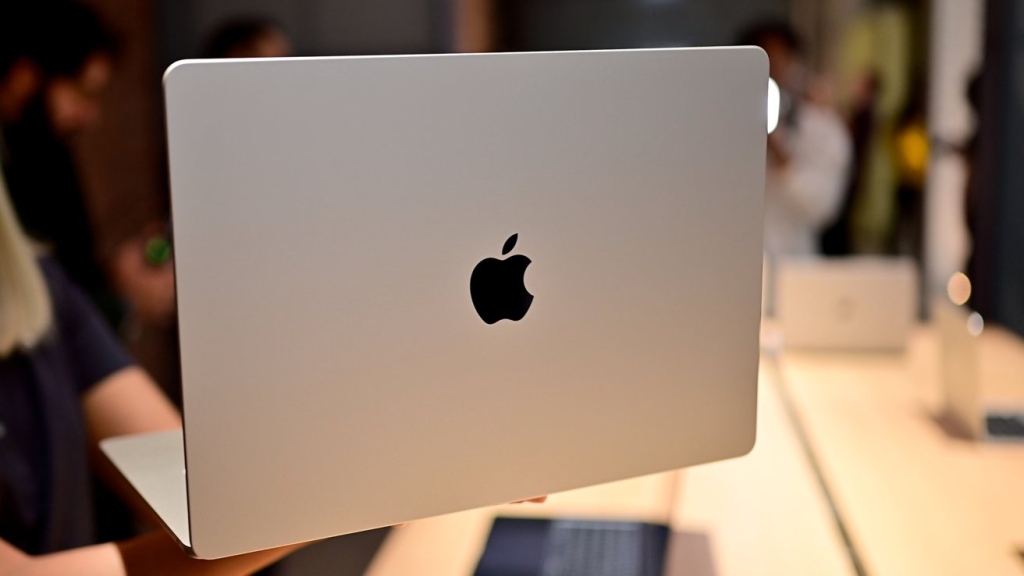
Apple’s M5 MacBook Air and 14-inch MacBook Pro: Same Core, Vastly Different Experience
When Apple unveiled its latest M5-powered notebooks, it became clear that while the brains inside the MacBook Air and 14-inch MacBook Pro are identical, the bodies and capabilities are worlds apart. Both machines are powered by the same M5 chip—a 10-core CPU, Apple’s unified memory architecture, and integrated graphics—but the way they deliver performance, manage heat, and present content to users couldn’t be more different.
At first glance, the shared M5 foundation might suggest these two laptops are interchangeable. That’s true for everyday use: web browsing, document editing, light photo tweaks, and streaming media all feel equally snappy on both. In short bursts, you’d be hard-pressed to notice any difference. But that’s where the similarities end.
The MacBook Air, true to its heritage, is designed for portability and silence. Its fanless chassis relies entirely on passive cooling—no moving parts, no noise, just sleek aluminum and clever engineering. This makes it ideal for students, travelers, and anyone who values a thin, light machine that won’t disturb a quiet room. However, the lack of active cooling means that under sustained load—think long video exports, complex code compilation, or 3D rendering—the Air will throttle performance to stay within safe thermal limits. Tasks that might take minutes on a MacBook Pro could stretch longer on the Air, especially if they’re run back-to-back.
The 14-inch MacBook Pro, on the other hand, is built for those who demand consistent, high-level performance. Its active cooling system—complete with fans and a more robust thermal design—allows the M5 chip to sustain peak speeds for extended periods. This is crucial for professionals in video editing, software development, music production, and other fields where every second counts. The Pro’s cooling isn’t just about speed; it’s about reliability under pressure.
Display is another major differentiator. The MacBook Air sticks with a 13.6-inch Liquid Retina display, which is bright and sharp for its class, but lacks the high-end features found on the Pro. The 14-inch MacBook Pro steps up with a Mini-LED Liquid Retina XDR display, offering higher brightness, deeper blacks, and support for HDR content. For photographers, video editors, and anyone who works with color-critical content, the Pro’s screen is a significant upgrade—bringing studio-quality visuals to a portable form factor.
Beyond performance and display, the MacBook Pro includes additional features that cater to power users: the Touch Bar (though its future is uncertain), a wider range of ports including HDMI and an SD card slot, and a more robust speaker system. The Air, while minimalist and elegant, keeps things simple with just two Thunderbolt ports and a 3.5mm headphone jack.
Battery life is comparable between the two, thanks to the efficiency of Apple’s M-series chips, but real-world usage will vary. The Air’s lower power draw in most scenarios can translate to slightly longer battery life for light tasks, while the Pro’s ability to complete intensive jobs faster can also conserve energy over a workday.
So, which should you choose? If you’re after a sleek, silent machine for everyday computing, the MacBook Air M5 is hard to beat. It’s affordable, portable, and more than capable for most users. But if your workflow involves sustained performance, a stunning display, or pro-level features, the 14-inch MacBook Pro is the clear winner—albeit at a higher price.
In the end, Apple’s strategy with these two M5 notebooks is a masterclass in product segmentation: same core technology, but tailored experiences for different audiences. Whether you’re a casual user or a creative professional, there’s an M5 MacBook that fits your needs—just be sure to pick the one that matches your ambitions.
Tags: Apple, MacBook Air, MacBook Pro, M5 chip, Apple Silicon, laptop comparison, thermal design, passive cooling, active cooling, Mini-LED display, Liquid Retina XDR, performance, battery life, creative professionals, tech news, viral tech, Apple event
Viral Phrases: Same chip, different beast; fanless vs. beastly; silent power vs. sustained speed; display showdown; M5 twins, divergent paths; pro-level performance in your hands; everyday elegance meets pro power; Apple’s M5 masterstroke; choose your MacBook wisely.
,


Leave a Reply
Want to join the discussion?Feel free to contribute!