
MacBook Neo proves Apple can build a $599 laptop without cheapening the Mac
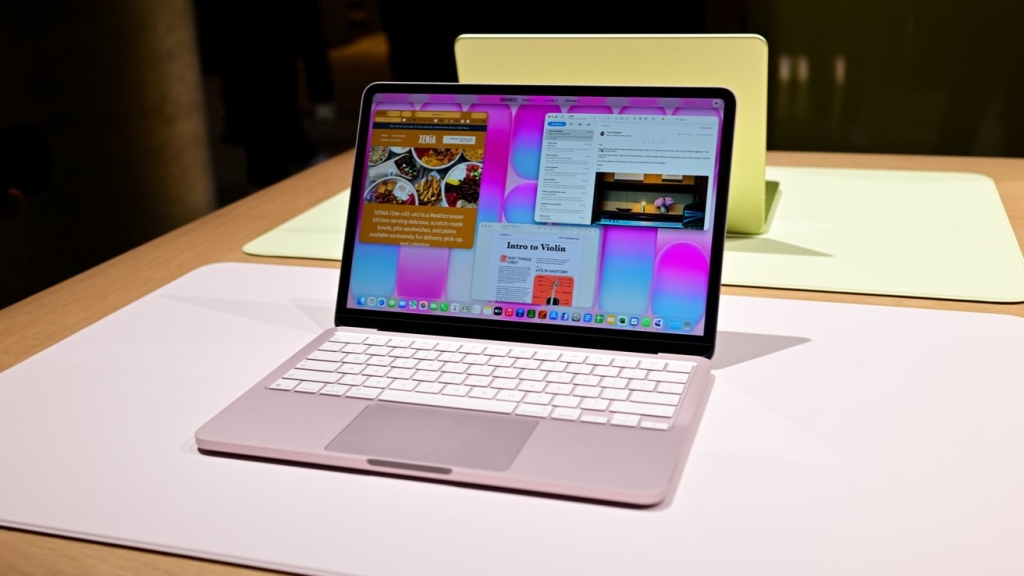
Apple’s Industrial Design Chief Reveals How the $599 MacBook Neo Preserves Mac Identity Without Compromise
In a rare solo appearance, Apple’s vice president of industrial design Molly Anderson has shed light on the philosophy behind the company’s most affordable Mac laptop to date—the MacBook Neo. Speaking in an exclusive interview on March 6, Anderson explained how Apple managed to create a device that dramatically lowers the price barrier to entry while maintaining the premium DNA that defines every Mac notebook.
The MacBook Neo represents a fundamental shift in Apple’s Mac strategy, targeting students and first-time computer buyers who might otherwise gravitate toward inexpensive Windows laptops or Chromebooks. At a starting price of just $599, it’s the most accessible Mac laptop Apple has ever produced, yet Anderson insists it doesn’t feel like a budget device.
“The MacBook Neo retains its MacBook identity despite its $599 starting price,” Anderson told reporters. “Our goal was to bring the Mac into a much lower price tier without sacrificing the materials and design language associated with Apple laptops.”
This balancing act required rethinking several aspects of traditional MacBook design. Most notably, the MacBook Neo uses Apple’s A18 Pro processor instead of the M-series chips found in other Macs. This strategic choice allows Apple to maintain performance standards while controlling costs—a decision that speaks to the company’s confidence in its mobile silicon architecture.
The design team faced the challenge of creating a laptop that feels unmistakably Apple without the premium components typically associated with higher price points. Anderson described the process as “finding the essence of what makes a MacBook feel like a MacBook” and preserving those elements while making thoughtful compromises elsewhere.
Materials selection proved crucial to achieving this goal. While the MacBook Neo doesn’t feature the same aluminum unibody construction as its more expensive siblings, it maintains a premium feel through careful material choices and manufacturing techniques. The keyboard, trackpad, and display all deliver the responsive, high-quality experience users expect from Apple products.
Perhaps most impressively, the MacBook Neo manages to incorporate Apple’s signature design touches—from the precision-engineered hinge mechanism to the thoughtful attention to detail in the keyboard layout. These elements help justify the “MacBook” name and ensure users don’t feel they’re getting a lesser product, just a more affordable one.
The timing of this release is particularly significant. As education institutions and students increasingly rely on technology for learning, Apple is positioning the MacBook Neo as the ideal companion for academic pursuits. The device’s combination of performance, battery life, and integration with Apple’s ecosystem makes it especially appealing to users who want a seamless experience across iPhone, iPad, and Mac.
Anderson emphasized that the MacBook Neo isn’t positioned as a “starter Mac” in the traditional sense, but rather as a legitimate MacBook that happens to be more accessible. This subtle distinction matters—Apple wants users to feel they’re getting a full Mac experience, not a watered-down version.
The industrial design team’s success with the MacBook Neo could signal a broader shift in how Apple approaches product segmentation. Rather than creating entirely different product lines for different price points, Apple appears to be finding ways to distill its design philosophy into more accessible packages.
This approach aligns with Apple’s broader strategy of expanding its user base while maintaining the premium perception that has defined the brand for decades. By offering a truly affordable MacBook that doesn’t feel cheap, Apple is potentially opening the door to millions of new customers who previously viewed Macs as out of reach.
The MacBook Neo’s introduction also reflects changing market dynamics. As Chromebooks and budget Windows laptops dominate certain segments of the education and consumer markets, Apple is responding with a product that can compete on price without abandoning its design principles.
Looking ahead, the MacBook Neo’s success could influence future Apple product development across the entire lineup. If Apple can successfully create a $599 MacBook that maintains its design identity, it suggests the company has found a formula for delivering premium experiences at more accessible price points.
For longtime Mac users, the MacBook Neo represents an intriguing addition to the product lineup—one that doesn’t cannibalize sales of higher-end models but rather expands the Mac ecosystem to include users who might eventually upgrade to more powerful machines as their needs evolve.
The industrial design team’s achievement with the MacBook Neo demonstrates that thoughtful engineering and design can overcome traditional price-performance trade-offs. In doing so, Apple is proving that maintaining brand identity doesn’t require maintaining premium pricing—a lesson that could reshape how technology companies approach product development across all categories.
Tags: #MacBookNeo #AppleDesign #AffordableMac #A18Pro #IndustrialDesign #MollyAnderson #TechInnovation #BudgetLaptop #AppleEvent #MacStrategy
Viral Phrases: “brings Mac to the masses,” “premium design at $599,” “Apple’s design DNA preserved,” “the $599 revolution,” “design without compromise,” “MacBook identity intact,” “affordable doesn’t mean cheap,” “design philosophy distilled,” “premium experience democratized,” “Apple’s bold pricing move”
,

Leave a Reply
Want to join the discussion?Feel free to contribute!