
MacBook Neo proves that Microsoft had the right idea, but the wrong execution
The MacBook Neo: Apple’s Triumph Where Microsoft Failed 15 Years Ago
The MacBook Neo’s disruption of the consumer laptop market represents more than just another product launch—it’s the culmination of a strategy that Microsoft attempted over a decade ago with the Surface RT, but failed to execute properly. At just $599, Apple has created what appears to be the perfect “cheap premium” laptop, but this isn’t the first time we’ve seen this concept attempted.
The Ghost of Surface RT Past
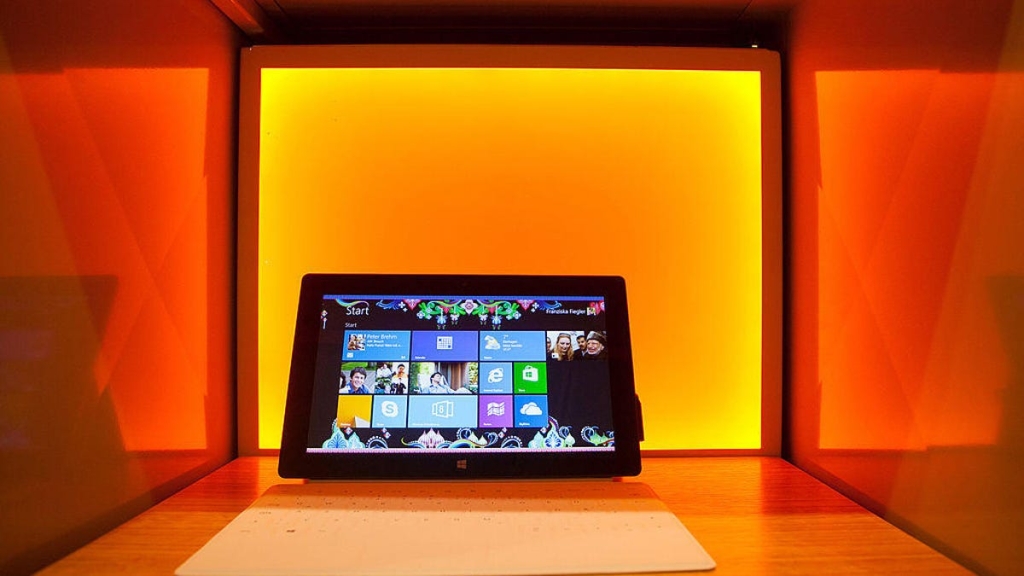
In 2012, Microsoft launched the Surface RT, a $599 ultraportable hybrid tablet/laptop that shared striking similarities with today’s MacBook Neo. Both devices featured premium builds, ARM-based processors designed for everyday tasks, excellent battery life, and a focus on portability over raw performance. However, while Apple’s Neo is flying off shelves, the Surface RT became one of Microsoft’s most expensive failures, costing the company $900 million in unsold inventory.
Former Microsoft Windows head Steven Sinofsky, the architect behind the Surface RT, recently praised the MacBook Neo on social media while acknowledging the “melancholy” of seeing a product succeed where Microsoft had failed years earlier. The parallels are uncanny, but the outcomes couldn’t be more different.
The Ecosystem Advantage
The fundamental difference between these two devices lies in their ecosystems. When the Surface RT launched with Windows RT, it ran on ARM architecture with a severely limited version of Windows 8 that could only run select apps from the Windows Store. Users were locked into Microsoft’s ecosystem with no support for Chrome, Firefox, or even many of Microsoft’s own applications optimized for the platform.
The MacBook Neo, by contrast, launches into a mature, robust ecosystem. Apple’s M-series chips have proven their worth, and the iOS and iPadOS app libraries provide a wealth of software options. More importantly, the Neo benefits from Apple’s established brand identity and clear market positioning within its laptop lineup.
Hardware That Was Ahead of Its Time
The Surface RT’s hardware was genuinely impressive for 2012. It featured an Nvidia Tegra 3 SoC with 2GB of RAM—comparable to the Neo’s 8GB in terms of everyday usability. Storage options were limited to 32GB or 64GB of eMMC, and the device offered exceptional battery life, lasting several days with intermittent use. The kickstand design was innovative, and the device ran completely silent with no fans or heat generation.
Senior Contributing Editor Ed Bott, who reviewed the Surface RT in 2012, praised its hardware and design but noted significant limitations. The device was locked to Internet Explorer with no support for alternative browsers, and even Microsoft’s own app ecosystem was sparse on the platform.
Timing and Market Readiness
The MacBook Neo succeeds where the Surface RT failed primarily due to timing. In 2012, consumers weren’t ready to embrace a device that sacrificed compatibility for portability and battery life. The Windows Store was barren compared to what iOS and Android offered, and users weren’t willing to give up their familiar computing experience for something new and unproven.
Apple has waited until the ecosystem was mature enough to support such a device. The M-series chips have proven their performance capabilities, and the iOS ecosystem has matured to the point where it can serve as a viable laptop alternative for many users. Apple isn’t asking consumers to take a leap of faith—it’s offering a refined, proven experience at an attractive price point.
Target Demographic and Brand Positioning
The MacBook Neo isn’t designed for power users or MacBook Pro customers. It’s targeting students, casual users, and anyone who needs a reliable, portable device for everyday tasks. Apple understands this demographic intimately and has positioned the Neo perfectly within its product lineup.
The “cool factor” that Apple brings to the table cannot be understated. Where the Surface RT felt like a corporate experiment, the MacBook Neo feels like a natural evolution of Apple’s product line. The branding is cohesive, the marketing is effective, and the device fits seamlessly into Apple’s lifestyle-oriented approach to technology.
The Future of Budget Premium Laptops
Whether the MacBook Neo represents a sustainable model or another flash in the pan remains to be seen. The Surface RT’s failure raises questions about the longevity of devices that prioritize portability and cost over upgradeability and long-term support.
Apple’s challenge will be ensuring these devices remain relevant and functional for several years, especially given their target market of students and budget-conscious consumers who may not have the means to replace them frequently. If these devices become disposable commodities that fail after a couple of years, it would represent a significant step backward for sustainable computing.
Conclusion
The MacBook Neo’s success is built on the foundation of Microsoft’s failure with the Surface RT. Apple learned from Microsoft’s mistakes, waited for the ecosystem to mature, and executed with the precision that only Apple can manage. The result is a device that feels inevitable rather than experimental—a $599 laptop that delivers on its promises without asking users to compromise too much.
Whether this marks the beginning of a new category of budget premium laptops or another temporary trend remains to be seen. But one thing is certain: Apple has cracked a code that Microsoft couldn’t solve 15 years ago, and the computing landscape may never be the same.
viral tags and phrases:
MacBook Neo, Surface RT, Apple’s triumph, Microsoft’s failure, budget premium laptop, ARM architecture, Windows RT, M-series chips, ecosystem advantage, timing is everything, brand positioning, cool factor, student laptop, portable computing, sustainable technology, upgradeability, long-term support, $599 MacBook, Apple’s strategy, Microsoft’s $900 million mistake, Windows Store, iOS ecosystem, kickstand design, silent operation, fanless design, eMMC storage, Tegra 3 SoC, Steven Sinofsky, Ed Bott, everyday computing, lifestyle branding, target demographic, product positioning, mature ecosystem, refined experience, natural evolution, computing landscape, sustainable computing, disposable technology, flash in the pan, inevitable product, experimental device, compromise, precision execution, $900 million loss, unsold inventory, ARM-based processors, everyday tasks, battery life, premium build, ultraportable, hybrid device, tablet/laptop, walled garden, software limitations, browser support, Chrome, Firefox, Internet Explorer, app library, software options, M-series performance, proven experience, attractive price point, corporate experiment, lifestyle-oriented technology, seamless integration, natural fit, product lineup, budget-conscious consumers, replacement cycle, relevant and functional, computing revolution, category creation, temporary trend, code cracking, computing landscape transformation, Windows 8, stripped-down OS, soldered storage, no fans, no heat, well-engineered design, innovative perspective, established brand story, consumer acceptance, innovative product, lifestyle branding fell flat, years late, stars aligned, Nepo Baby, hard work done, showing up, piling up, cheap disposable products, longevity concerns, classrooms and public spaces, kids, hardware just needs to last, worth the wait.
,


Leave a Reply
Want to join the discussion?Feel free to contribute!