
Macintosh Color Classic brings color at last: Today in Apple history
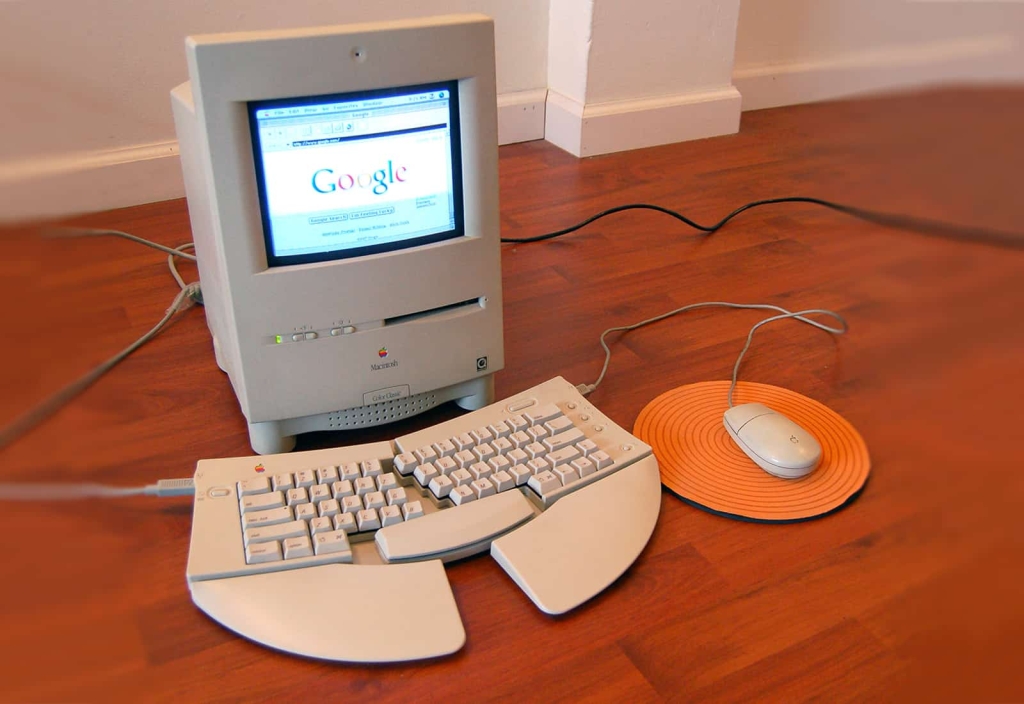
Apple’s Color Classic: A Revolutionary Compact Mac That Changed Everything
February 10, 1993 – A Day That Redefined Personal Computing
On this historic day in Apple’s storied timeline, the tech giant unveiled what would become one of the most beloved Macintosh computers ever created: the Macintosh Color Classic. This wasn’t just another incremental upgrade in Apple’s product lineup—it was a revolutionary leap forward that would fundamentally change how millions of users interacted with their computers.
Breaking the Monochrome Barrier
For nearly a decade, Macintosh users had been living in a world of black and white. The original Macintosh, launched with great fanfare in 1984, had introduced the world to graphical computing, but its monochrome display felt increasingly limiting as technology marched forward. The Macintosh Color Classic shattered this limitation in spectacular fashion, bringing vibrant color to the compact Mac form factor that millions had grown to love.
The impact of this transition cannot be overstated. In an era when color displays were still considered a luxury feature, Apple’s decision to integrate color into their most accessible Mac model was both bold and visionary. The Color Classic’s 10-inch Sony Trinitron display wasn’t just any color screen—it was a technological marvel that offered unprecedented clarity and vibrancy for its size and price point.
Technical Specifications That Wowed the Industry
The Color Classic’s display specifications were nothing short of impressive for 1993 standards. The 512×384 pixel resolution might seem quaint by today’s standards, but it represented a significant upgrade from previous compact Macs. What made this display truly special was its ability to showcase 256 colors simultaneously—a feature that could be expanded to thousands of colors with the optional “Mystic” 68040 upgrade.
This wasn’t just about raw pixel counts or color numbers. The quality of the display was what truly set the Color Classic apart. The Sony Trinitron technology delivered exceptional sharpness and color accuracy that made everything from spreadsheet cells to family photos look remarkably lifelike. Users found themselves rediscovering their favorite applications and documents simply because they could now experience them in full color.
The Modifiable Mac: A User’s Dream
Perhaps one of the most revolutionary aspects of the Color Classic was how it challenged Apple’s traditional approach to hardware design. While earlier Macintosh models had been notoriously difficult to upgrade, the Color Classic embraced user modification in ways that were almost unprecedented for Apple at the time.
The computer’s architecture allowed for relatively straightforward upgrades to both RAM and CPU. The base configuration of 10MB of RAM could be expanded significantly, while the 32-bit 68030 CPU could be replaced with more powerful alternatives. This level of user accessibility was a breath of fresh air for the Mac community, many of whom had grown frustrated with Apple’s increasingly sealed-off hardware designs.
Apple IIe Emulation: Bridging Two Computing Worlds
In a move that delighted both Mac enthusiasts and Apple II loyalists, the Color Classic included support for Apple IIe emulation through a special PDS card. This feature was more than just a technical curiosity—it represented Apple’s recognition of the vast library of software and the dedicated user base that had grown up around the Apple II platform.
For educational institutions and businesses that had invested heavily in Apple II software, this emulation capability meant they could transition to the Macintosh platform without abandoning their existing software investments. It was a brilliant strategic move that helped smooth the transition for many users who might otherwise have been hesitant to adopt the new platform.
The Compact Form Factor: Perfect for Every Space
The Color Classic’s all-in-one design was perfectly suited for the computing needs of 1993. Its compact footprint meant it could fit comfortably on a desk, in a dorm room, or even on a kitchen counter. The integrated design eliminated the clutter of separate monitors and CPUs, making it an ideal choice for users who valued both functionality and aesthetics.
The 10-inch display, while modest by today’s standards, was perfectly proportioned for the compact case. The result was a computer that felt complete and self-contained, yet didn’t dominate the user’s workspace. This balance of size and capability would influence computer design for years to come.
Critical Acclaim and Market Reception
When the Color Classic hit the market, it received overwhelmingly positive reviews from the tech press. MacUser magazine, in its April 1993 issue, captured the sentiment perfectly when it declared that “the Color Classic is the compact Mac everyone’s been waiting for since, well, since 1984.”
This wasn’t hyperbole. The Color Classic represented the fulfillment of a promise that Apple had made with the original Macintosh—to create a computer that was both powerful and accessible, sophisticated yet easy to use. The addition of color display technology to this formula created a machine that appealed to both long-time Mac users and newcomers to the platform.
The Color Classic II: Perfection Through Evolution
Just six months after the original Color Classic’s launch, Apple introduced the Color Classic II, addressing some of the limitations of the original model while maintaining its core appeal. The follow-up model doubled both the CPU speed and RAM capacity, transforming the already capable machine into a true powerhouse.
The Color Classic II featured a 33MHz 68030 processor and support for up to 36MB of RAM—specifications that made it capable of handling demanding applications that would have strained the original model. This upgrade path demonstrated Apple’s commitment to the compact Mac form factor and their willingness to iterate quickly based on user feedback.
A Bittersweet Geographic Limitation
Despite its success and the clear demand for the Color Classic II, Apple made the controversial decision not to release this improved model in the United States. This decision frustrated many early adopters who had purchased the original Color Classic, only to see a significantly enhanced version become available exclusively in other markets.
However, this limitation has created a unique dynamic in the vintage Mac community. Today, the Color Classic II is highly sought after by collectors and enthusiasts, particularly those in North America who were denied the opportunity to purchase it when it was new. This scarcity has only enhanced the model’s legendary status among Mac aficionados.
The 10 Millionth Macintosh: A Milestone Achievement
In a fitting tribute to its significance, a Color Classic unit became the 10 millionth Macintosh that Apple shipped. This milestone wasn’t just a number—it represented the culmination of nearly a decade of Macintosh development and the beginning of a new era for Apple computing.
The fact that this milestone was achieved with a Color Classic speaks volumes about the model’s importance to Apple’s product strategy and its resonance with users. It was a computer that managed to be both cutting-edge and accessible, innovative yet familiar—a perfect representation of everything Apple had learned about personal computing since 1984.
Legacy and Lasting Impact
The Macintosh Color Classic’s influence extends far beyond its years in production. It helped establish color displays as a standard feature rather than a premium option, paving the way for the vibrant, high-resolution screens we take for granted today. Its user-modifiable design influenced a generation of computer enthusiasts and helped foster a culture of hardware experimentation that continues in various forms to this day.
Moreover, the Color Classic demonstrated that Apple could successfully evolve its product line while maintaining the core values that had made the Macintosh successful in the first place. It showed that innovation didn’t require abandoning what users loved—it meant building upon those strengths to create something even better.
Cultural Significance in the Early 90s
In the early 1990s, the Color Classic became more than just a computer—it was a cultural touchstone. Schools adopted it en masse, small businesses embraced it as their primary computing platform, and families welcomed it into their homes as their first color computer experience. The distinctive design, with its built-in handle and compact footprint, made it feel approachable and personal in ways that larger, more intimidating computers did not.
The Color Classic also played a significant role in creative fields. Graphic designers, who had previously been limited to expensive specialized equipment, could now work with color on a relatively affordable platform. This democratization of color computing helped accelerate the digital revolution in creative industries.
Collecting and Preserving History
Today, the Macintosh Color Classic holds a special place in the hearts of vintage computer collectors. Well-preserved units command premium prices, and the community of enthusiasts continues to find new ways to keep these machines running and relevant. From modern SD card adapters to custom RGB upgrades, the spirit of modification that characterized the Color Classic continues to inspire innovation.
The computer’s relatively straightforward architecture makes it an excellent platform for learning about vintage computing, and many current technology professionals credit their first experiences with programming, graphics, or general computing to machines like the Color Classic.
Looking Back, Moving Forward
As we reflect on the Macintosh Color Classic’s launch on February 10, 1993, we’re reminded that true innovation often comes not from completely reinventing the wheel, but from thoughtfully enhancing what already works. Apple took everything that made the original Macintosh special—its approachability, its integrated design, its commitment to user experience—and elevated it with color technology that was ahead of its time.
The Color Classic wasn’t just a computer; it was a statement about where personal computing was headed. It showed that computers could be both powerful tools and personal companions, capable of handling serious work while remaining accessible and enjoyable to use. This philosophy continues to guide Apple’s product development to this day, making the Color Classic not just a milestone in Apple’s history, but a foundational element in the evolution of personal computing itself.
Tags & Viral Phrases:
- Revolutionary color compact Mac
- Game-changing Apple computer
- 90s tech nostalgia
- Vintage Macintosh collecting
- Color Classic modding community
- Apple’s color computing revolution
- 10 millionth Mac milestone
- Sony Trinitron magic
- User-modifiable Apple history
- Apple IIe emulation surprise
- Compact Mac legend
- 1993 tech breakthrough
- Macintosh Color Classic II
- Early Mac color experience
- Apple’s design evolution
- Computing nostalgia gold
- Vintage Mac restoration
- 68030 processor power
- Apple’s compact computing legacy
,

Leave a Reply
Want to join the discussion?Feel free to contribute!