
Macintosh Portrait Display launches: Today in Apple history
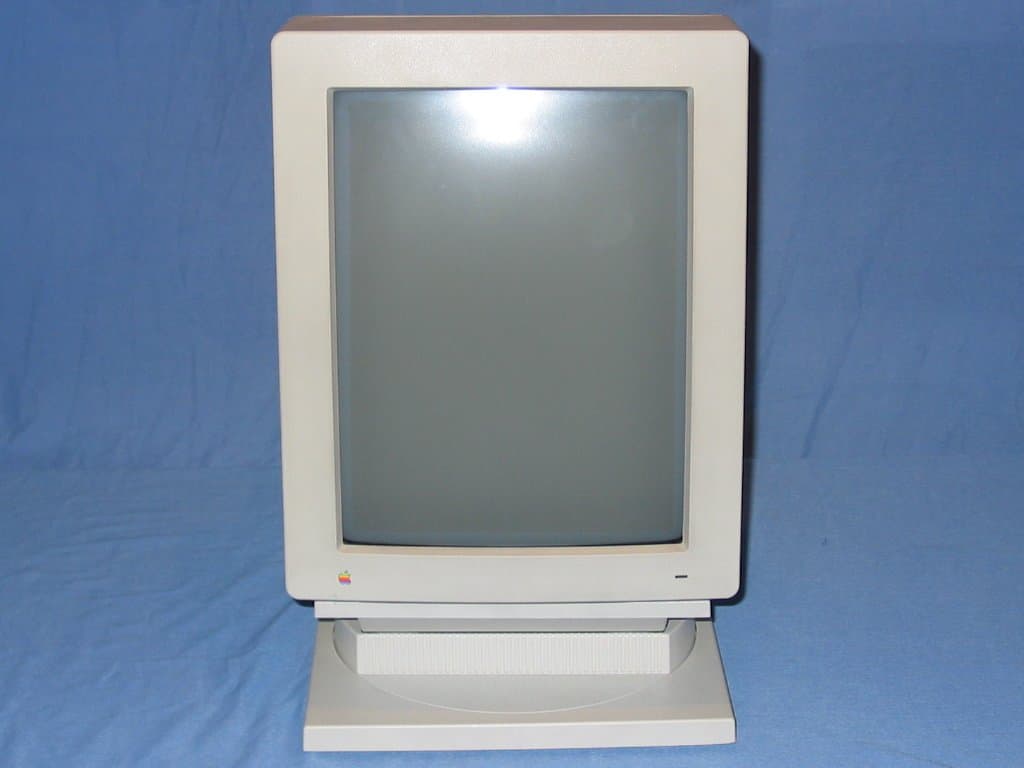
Apple’s Forgotten Innovation: The Macintosh Portrait Display Revolution
On March 7, 1989, Apple introduced a revolutionary product that would quietly transform how creative professionals worked: the Macintosh Portrait Display. This 15-inch vertical grayscale monitor, priced at $1,099, represented Apple’s bold attempt to rethink computer displays for the publishing and word processing industries.
The Creative Industry’s Vertical Vision
The late 1980s saw Apple computers dominating the publishing world, despite Windows PCs holding the broader market share. Macs offered something PCs couldn’t match: the WYSIWYG (“What You See Is What You Get”) interface. This technology allowed users to see exactly how their documents would appear when printed, a game-changing feature for desktop publishing.
Adobe PageMaker and other innovative software made Macs indispensable tools for magazine layouts and book design. The natural evolution? A monitor that could display an entire page vertically, just like the paper you’d print on.
Radius Paved the Way
Interestingly, Apple wasn’t first to market with a vertical display. Startup Radius, founded by former Macintosh engineers, beat Apple to the punch by releasing the Full Page Display in 1988. When Apple launched its version the following year, Radius dropped its price to $895 to remain competitive.
The Radius display set the precedent, but Apple’s version would become the more memorable implementation of vertical computing.
Technical Specifications That Impressed
The Macintosh Portrait Display offered impressive specs for 1989:
- Resolution: 640 x 870 pixels
- Pixel density: 80 dots per inch
- Antiglare technology
- Crisp flatscreen form factor
These specifications made it one of the best displays available at the time, offering clarity and sharpness that rivaled even modern standards for grayscale displays.
The Quirky Challenges of Vertical Computing
However, the Macintosh Portrait Display wasn’t without its issues. Apple’s troubleshooting manual revealed that “environmental influences” could cause the monitor to glitch. These influences included:
- Metal desks, file cabinets, or bookshelves placed too close
- Fluorescent lighting in the vicinity
- Other monitors operating nearby
- Electronic appliances like coffee makers or copy machines
Apple noted these objects could cause “dynamic raster distortion” – essentially making the image move or jitter. In an era before we understood electromagnetic interference as well as we do today, these limitations highlighted both the innovation and the growing pains of early display technology.
A Product Ahead of Its Time
The Macintosh Portrait Display remained in Apple’s product lineup until December 1992. At the time, many viewed it as a niche product with limited applications. However, history has proven this assessment wrong.
Today, we can see the Macintosh Portrait Display as a visionary product that anticipated our current computing habits. The vertical orientation that seemed so unusual in 1989 is now the standard way we interact with content on our smartphones. Every time you scroll through a webpage on your iPhone or read an article in portrait mode, you’re experiencing the legacy of Apple’s vertical display experiment.
The Legacy Continues
While the original Macintosh Portrait Display is now a collector’s item, its influence lives on. Modern ultrawide monitors, curved displays, and even the orientation of our mobile devices all trace their conceptual roots back to innovations like this one.
The Macintosh Portrait Display represents Apple at its most experimental – willing to try unconventional approaches to solve real problems faced by creative professionals. Though it may not have achieved mainstream success, it paved the way for future display innovations that we now take for granted.
What other forgotten Apple innovations might be influencing our technology today? The Macintosh Portrait Display reminds us that sometimes the most impactful inventions aren’t the ones that sell the most units, but rather those that plant seeds of innovation that bloom years later.
Tags: #Apple #Macintosh #PortraitDisplay #VintageComputing #TechHistory #DesktopPublishing #AppleInnovation #1980sTech #VerticalDisplay #RetroTech
Viral Phrases:
- “Apple’s forgotten vertical revolution”
- “The display that saw the future”
- “When portrait mode was revolutionary”
- “Apple’s vertical gamble that paid off”
- “The monitor that anticipated smartphones”
- “Creative computing’s secret weapon”
- “Apple’s most misunderstood innovation”
- “The portrait display that changed everything”
- “How Apple predicted our mobile habits”
- “The vertical display that wouldn’t die”
,

Leave a Reply
Want to join the discussion?Feel free to contribute!