
Major government research lab appears to be squeezing out foreign scientists
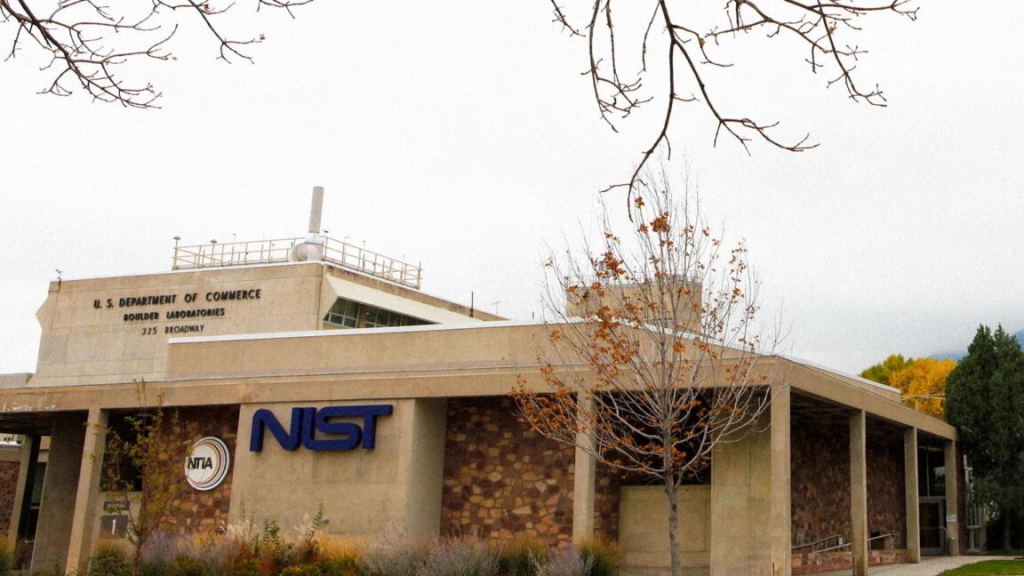
Trump’s War on Foreign Scientists: How NIST’s New Rules Could Cripple US Innovation
In a move that has sent shockwaves through the scientific community, the National Institute of Standards and Technology (NIST) is implementing controversial new policies that could effectively bar foreign researchers from contributing to America’s most critical technological advancements. What was once a beacon of international collaboration now stands at the center of a political firestorm that threatens to dismantle decades of scientific progress.
The Three-Year Trap: A Death Sentence for Research
The most draconian of the proposed changes is a hard cap limiting international graduate students and postdoctoral researchers to just three years at NIST facilities—despite the reality that most complex scientific projects require five to seven years to complete. This arbitrary timeline isn’t just inconvenient; it’s catastrophic.
Imagine dedicating years to groundbreaking research on quantum computing or AI safety, only to have your work terminated midstream because of a bureaucratic stopwatch. Sources within NIST report that several planned hires have already been canceled, their expertise deemed too risky to bring on board under the new security protocols.
After-Hours Lockout: The Slow Squeeze
In Colorado, the pressure campaign has already begun. Noncitizen researchers have been stripped of after-hours lab access—a restriction that effectively cuts their productivity in half. Sources indicate that a complete facility ban for foreign scientists could follow, transforming NIST from a collaborative hub into an insular fortress.
The timing is particularly devastating. Just as America races to maintain its edge in quantum computing, semiconductor manufacturing, and artificial intelligence, the very researchers who could help secure that advantage are being shown the door.
Political Theater or National Security?
NIST officials, speaking through spokesperson Jennifer Huergo, defend the changes as necessary to protect American intellectual property from foreign adversaries. The rhetoric echoes bipartisan concerns about Chinese espionage and technology theft that have intensified in recent years.
But Zoe Lofgren, the top Democrat on the House Committee on Science, Space, and Technology, calls the measures “beyond what is reasonable and appropriate.” Her letter to acting NIST Director Craig Burkhardt demands transparency and a pause on implementation until Congress can review the necessity of these changes.
The Brain Drain Nobody Saw Coming
This isn’t happening in isolation. The Trump administration’s broader immigration crackdown—including H-1B visa fee hikes, mass student visa revocations, and plans to limit post-graduation job training—creates a perfect storm pushing talented researchers toward other nations.
Pat Gallagher, NIST director under President Obama, warns that these changes could destroy the agency’s credibility. “What has made NIST special is it is scientifically credible,” he told WIRED. “Industry, universities, and the global measurement community knew they could work with NIST.”
The Economic Time Bomb
The consequences extend far beyond academic prestige. NIST’s work underpins everything from cybersecurity standards to semiconductor manufacturing guidelines. When foreign experts can’t contribute, American businesses lose access to cutting-edge research. Global partners lose confidence in US technical leadership. And the innovation pipeline that has fueled American economic dominance for decades begins to dry up.
With hundreds of international researchers typically welcomed annually, the loss of this talent pool represents not just a brain drain but an economic catastrophe in the making.
A Choice Between Security and Stupidity
There’s no question that protecting American research from foreign espionage is vital. But the NIST changes appear to sacrifice genuine security for political theater, potentially doing more damage to US competitiveness than any foreign adversary could achieve through espionage.
As rumors spread and uncertainty paralyzes hiring, the damage may already be done. Top researchers are reconsidering offers, looking to Canada, Europe, or Asia for opportunities where their contributions will be valued rather than viewed with suspicion.
The Clock is Ticking
Lofgren’s demand for answers by February 26 looms large, but even if the most extreme measures are walked back, the trust has been broken. Scientists who once saw America as the land of opportunity now wonder if their work will be valued—or if they’ll be caught in the next political crackdown.
The question isn’t whether America can afford to be selective about its research partnerships. The question is whether America can afford to be stupid about them.
foreign scientists banned
NIST security crackdown
Trump immigration tech war
scientific brain drain
quantum computing talent exodus
AI research restrictions
national lab foreign ban
research security overreach
postdoc visa nightmare
America losing innovation edge
Chinese researcher discrimination
DOGE science cuts
international collaboration collapse
three-year research cap
after-hours lab lockout
scientific credibility crisis
economic competitiveness suicide
immigration tech crackdown
foreign expertise purge
research talent exodus
political theater security
trust broken forever
opportunity or suspicion
stupid security policies
broken research pipeline
scientific progress destroyed
bureaucratic stopwatch
midstream research termination
insular scientific fortress
global partnership collapse
economic catastrophe brewing
brain drain accelerating
visa fee hikes
student visa revocations
post-graduation job limits
quantum computing setback
semiconductor manufacturing crisis
AI safety research blocked
cybersecurity standards compromised
technical leadership lost
innovation pipeline drying
scientific credibility destroyed
trust permanently broken
opportunity now suspicion
research partnerships ruined
America first stupidity
security theater disaster
scientific community revolt
international talent fleeing
research excellence sacrificed
political witch hunt
scientific McCarthyism
foreign researcher purge
national lab apartheid
scientific segregation begins
research apartheid
international apartheid
scientific discrimination
research discrimination
foreign scientist discrimination
NIST discrimination
scientific racism
research racism
foreign researcher racism
NIST racism
scientific exclusion
research exclusion
foreign scientist exclusion
NIST exclusion
scientific segregation
research segregation
foreign researcher segregation
NIST segregation
scientific apartheid
research apartheid
foreign scientist apartheid
NIST apartheid
,

Leave a Reply
Want to join the discussion?Feel free to contribute!