
Male and Female Brains Start Developing Differently in the Womb, Scientists Find
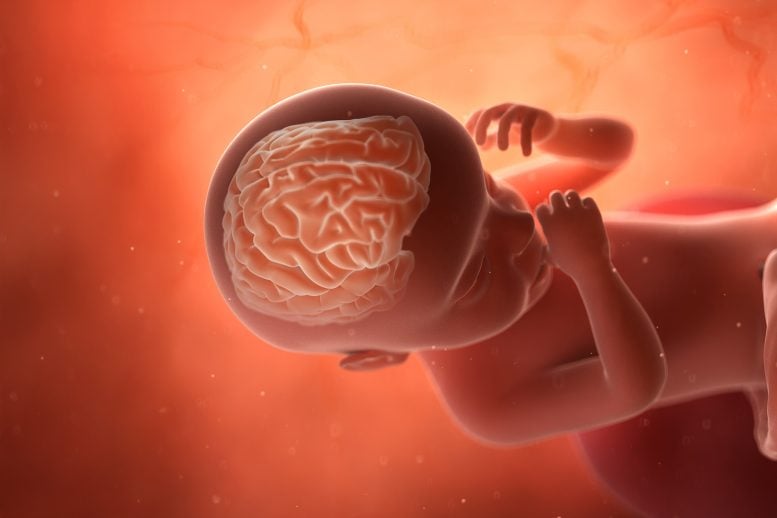
Cambridge Scientists Uncover Early Sex Differences in Brain Development, Challenging Long-Held Assumptions
In a groundbreaking study that could reshape our understanding of human brain development, researchers at the University of Cambridge have discovered that male and female brains begin to diverge as early as mid-pregnancy—far earlier than previously believed. This landmark research, published in Nature Neuroscience, offers the first comprehensive mapping of brain growth from the second trimester of pregnancy through the first month of life, a critical period that has long been studied in fragments.
The study, led by Dr. Richard Bethlehem and his team at the Autism Research Centre, employed advanced neuroimaging techniques to track brain development in over 500 fetuses and newborns. Using high-resolution MRI scans, the researchers were able to observe subtle but significant differences in brain structure and connectivity between male and female subjects. These findings challenge the traditional view that sex differences in the brain emerge only after birth or during puberty.
A New Window into Early Brain Development
The research focused on a period of brain development that has been notoriously difficult to study: the transition from late pregnancy to early infancy. This phase is critical because it encompasses rapid brain growth, the formation of neural connections, and the establishment of foundational cognitive and behavioral patterns.
“Until now, we’ve had to piece together snapshots of brain development from different studies, but this research gives us a continuous, detailed picture,” Dr. Bethlehem explained. “What we found was surprising—sex-linked differences in brain structure and function are already present during this early stage.”
Key Findings: How Male and Female Brains Differ
The study revealed several key differences between male and female brain development:
-
Structural Variations: Male brains showed faster growth in regions associated with motor skills and spatial processing, while female brains exhibited more rapid development in areas linked to language and social cognition.
-
Connectivity Patterns: Female brains demonstrated stronger connectivity between hemispheres, which may contribute to enhanced communication and multitasking abilities later in life. Male brains, on the other hand, showed more localized connectivity, potentially supporting focused, task-specific processing.
-
Hormonal Influences: The researchers also identified early signs of hormonal effects on brain development. For instance, exposure to higher levels of testosterone in male fetuses appeared to accelerate the growth of certain brain regions, while estrogen in female fetuses seemed to promote the development of others.
Implications for Science and Society
These findings have far-reaching implications for fields ranging from neuroscience to medicine and psychology. For one, they could help explain why certain neurological and psychiatric conditions—such as autism, ADHD, and depression—show different prevalence rates between males and females.
“Understanding these early differences could lead to more targeted interventions and treatments,” said Dr. Bethlehem. “It also underscores the importance of considering sex as a biological variable in brain research.”
The study also raises intriguing questions about the role of biology versus environment in shaping brain development. While the researchers emphasize that these early differences do not determine destiny, they suggest that the interplay between genetics, hormones, and environmental factors begins much earlier than previously thought.
A Viral Moment for Science
The research has already sparked widespread interest, with social media buzzing about its implications. Hashtags like #BrainDevelopment, #SexDifferences, and #Neuroscience are trending, as people debate what these findings mean for our understanding of gender and cognition.
“This is the kind of science that makes you rethink everything you thought you knew,” tweeted one user. Another added, “Who knew our brains were already unique before we even took our first breath?”
Looking Ahead
The Cambridge team plans to continue their research, exploring how these early differences evolve over time and how they might influence behavior, cognition, and mental health. They also hope to investigate the role of environmental factors, such as maternal health and nutrition, in shaping brain development.
“This is just the beginning,” Dr. Bethlehem said. “There’s so much more to learn about how our brains grow and develop, and how that shapes who we are.”
As the scientific community digests these findings, one thing is clear: the story of human brain development is more complex—and more fascinating—than we ever imagined.
Tags & Viral Phrases:
BrainDevelopment #Neuroscience #SexDifferences #CambridgeResearch #HumanBrain #FetalDevelopment #GenderDifferences #ScienceBreakthrough #NatureNeuroscience #MRI #Hormones #CognitiveDevelopment #AutismResearch #MentalHealth #ViralScience #TrendingNow #MindBlown #ScienceTwitter #EarlyDevelopment #BrainGrowth #Neuroimaging #GenderAndCognition #BiologicalDifferences #ScienceNews #ResearchHighlights #MedicalResearch #BrainScans #CognitiveScience #ViralResearch #ScienceCommunity
,


Leave a Reply
Want to join the discussion?Feel free to contribute!