
Marc Andreessen is a philosophical zombie
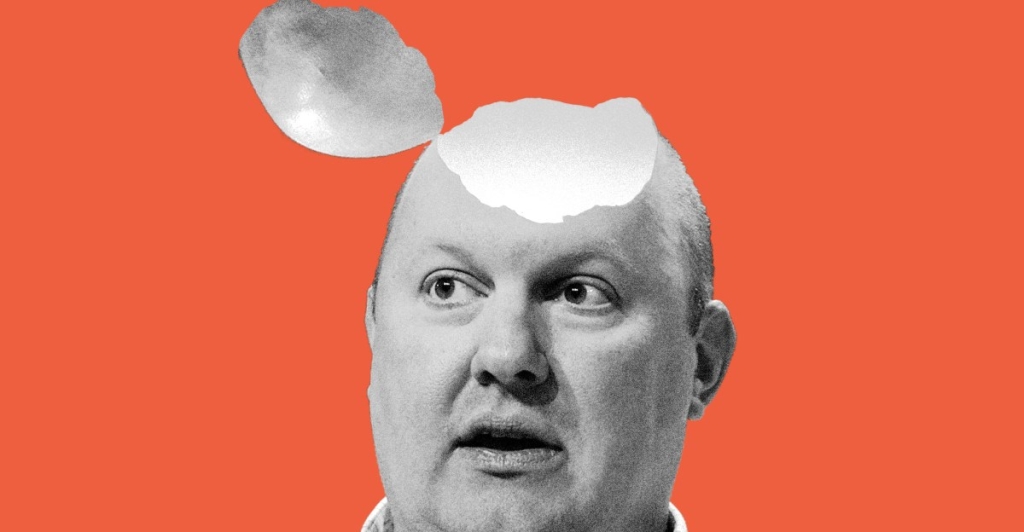
Marc Andreessen’s Controversial Take on Introspection Sparks Debate on Consciousness and AI
Silicon Valley investor Marc Andreessen has ignited a firestorm of discussion with his recent comments on introspection, consciousness, and what he calls the “flatness” of the mind. In a viral video from David Senra’s podcast, Andreessen declared he has “zero” levels of introspection, calling it a liability for entrepreneurs and suggesting that the concept of an inner self is largely illusory.
The “Philosophical Zombie” Controversy
The debate centers around Andreessen’s apparent embrace of ideas from Nick Chater’s book “The Mind Is Flat,” which argues that our perception of an inner self is an illusion similar to optical illusions that trick our visual system. Andreessen has taken this concept further, describing humans as “15-second sliding context windows” with unreliable memories, suggesting that consciousness itself might be overrated.
Critics have been quick to point out historical and philosophical problems with Andreessen’s position. The concept of introspection dates back to ancient traditions in Hinduism, Buddhism, and Western philosophy, with figures like René Descartes famously declaring “I think, therefore I am.” Catholic theologian St. Augustine wrote extensively about introspection, and the practice remains central to many spiritual and philosophical traditions worldwide.
The AI Connection
What makes Andreessen’s comments particularly interesting is their timing in relation to artificial intelligence development. His description of human consciousness as a “15-second sliding context window” bears striking similarities to how AI language models operate – processing information in short-term contexts without persistent memory or genuine self-awareness.
This has led some observers to suggest that Andreessen’s views might be influenced by his investments in AI companies, potentially serving as a philosophical justification for replacing human workers with AI systems. If human consciousness is as shallow as Andreessen suggests, the argument goes, then AI might be capable of performing many human jobs just as effectively.
Scientific Counterarguments
Psychologists and neuroscientists have pushed back against Andreessen’s characterization of human cognition. Research shows that while memory can be fallible and perception can be tricked, humans demonstrate consistent personality traits, beliefs, and behaviors over time. Studies on musical memory in Alzheimer’s patients and the ability of actors to memorize long scripts suggest that long-term memory is indeed real and functional.
The comparison to goldfish – often cited as having three-second memories but actually capable of remembering things for months – has become a meme in itself, with critics using it to highlight what they see as Andreessen’s superficial understanding of cognitive science.
The Wealth Factor
Some analysts have suggested that Andreessen’s position might be influenced by his extreme wealth and lifestyle. The ultra-wealthy often outsource mundane cognitive tasks to assistants and subordinates, potentially leading to a kind of cognitive atrophy in areas like introspection and self-reflection. This “yes-man” phenomenon – where wealthy individuals are surrounded by people who agree with them – might contribute to a diminished capacity for self-examination.
Broader Implications
The controversy raises fundamental questions about the nature of consciousness and what it means to be human. If Andreessen is correct that introspection is largely illusory, what are the implications for ethics, creativity, and human relationships? Conversely, if critics are right that he’s fundamentally misunderstanding both ancient wisdom and modern neuroscience, what does this say about the tech industry’s relationship with humanistic knowledge?
The debate also touches on the hard problem of consciousness – the question of why we have subjective experiences at all. Even if our minds operate in ways that can be described mechanistically, the fact that we experience qualia (the subjective qualities of experience, like the redness of red or the painfulness of pain) remains philosophically puzzling.
Public Reaction
The internet has responded with a mixture of mockery and serious philosophical engagement. Memes comparing Andreessen to a philosophical zombie – a being physically identical to a conscious human but lacking inner experience – have proliferated. Some have suggested that Andreessen himself might benefit from more introspection, given his tendency toward public meltdowns when criticized online.
Others have taken a more charitable view, suggesting that Andreessen might be engaging in deliberate provocation or that his comments have been misinterpreted. The fact that he’s continued to post about these topics for days suggests they’re genuinely important to him, regardless of whether his understanding is complete or accurate.
The Future of Consciousness
As AI systems become more sophisticated, questions about the nature of consciousness and intelligence become increasingly pressing. If human consciousness is as limited as some tech leaders suggest, what are the ethical implications of creating AI that might be equally conscious – or equally unconscious?
The debate surrounding Andreessen’s comments reflects broader tensions in Silicon Valley between technological optimism and humanistic skepticism. As we move forward into an increasingly AI-driven future, understanding the true nature of human consciousness – and its relationship to artificial intelligence – may prove crucial for making ethical decisions about technology development and deployment.
Whether Andreessen’s views will prove influential or fade into obscurity remains to be seen. What’s clear is that his comments have sparked a necessary conversation about consciousness, technology, and what it means to be human in an age of artificial intelligence.
Tags: #MarcAndreessen #Consciousness #AI #Philosophy #SiliconValley #Introspection #CognitiveScience #TechDebate #PhilosophicalZombie #NickChater #MindIsFlat #HardProblemOfConsciousness #Qualia #HumanCognition #WealthAndCognition #AIOverreliance #TechPhilosophy #ConsciousnessDebate #SiliconValleyCulture #CognitiveAtrophy
Viral Sentences:
- “Marc Andreessen: The philosophical zombie Silicon Valley built”
- “Introspection is just neuroticism x narcissism x thumbsucking”
- “You’re a 15-second sliding context window with the working memory of a goldfish”
- “The ultra-wealthy don’t have to do any of this. They pay people to do it for them”
- “Whatever is happening to normal people as a result of AI overreliance has already happened to the very rich”
- “We’ve got ourselves a philosophical zombie right here, and possibly a methodology for creating them at will”
- “Marc Andreessen can be easily replaced with AI”
- “The bias should be toward external reality and action”
- “If you don’t use it, you lose it – so maybe a lot of them lose introspection”
- “The yes-man phenomenon of wealth”
,


Leave a Reply
Want to join the discussion?Feel free to contribute!