
Mark Zuckerberg Tries to Play It Safe in Social Media Addiction Trial Testimony
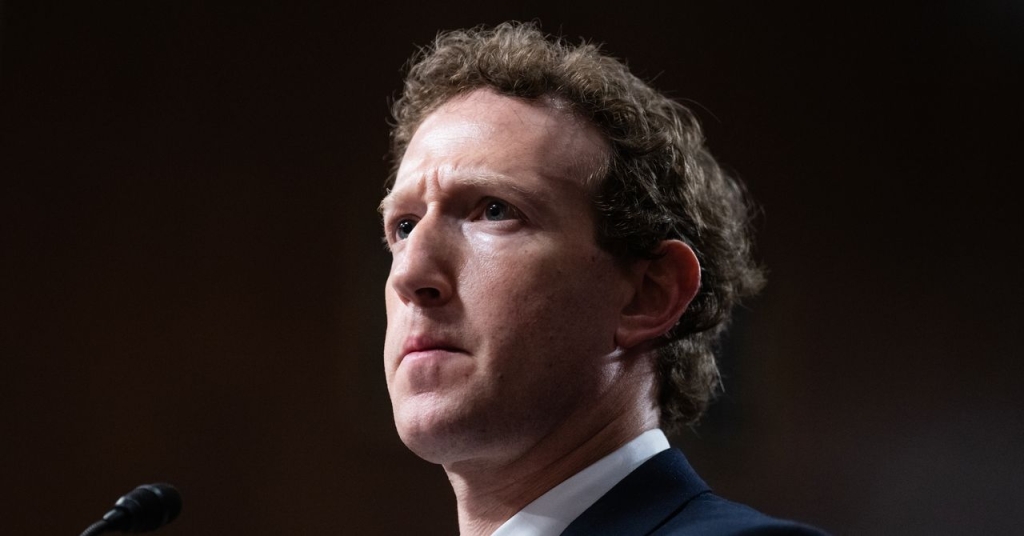
Mark Zuckerberg’s Courtroom Chess: How the Meta CEO Deflected, Distracted, and Dominated During Landmark Social Media Liability Trial
In a high-stakes federal courtroom drama that could reshape the future of social media regulation, Meta CEO Mark Zuckerberg demonstrated a masterclass in legal deflection during testimony in a groundbreaking lawsuit that threatens to pierce the protective shield of Section 230.
The case, brought by K.G.M., a former Instagram user who joined the platform at age 9, represents the first major legal challenge to Meta that sidesteps the decades-old law protecting tech companies from liability for user-generated content. Instead, the lawsuit targets Meta’s algorithms, design choices, and internal practices that allegedly harmed young users.
The Art of the Deflection: Zuckerberg’s Playbook Revealed
Throughout hours of intense questioning by plaintiffs’ attorney Andy Lanier, Zuckerberg repeatedly fell back on a handful of carefully rehearsed responses that seemed designed to create distance between himself and Meta’s controversial practices.
When confronted with internal emails and documents, Zuckerberg’s most common rebuttal was that Lanier was “mischaracterizing” his previous statements. He frequently objected to the relevance of older communications or claimed unfamiliarity with the Meta employees involved. “I don’t think so, no,” he replied when asked about his knowledge of Karina Newton, Instagram’s head of public policy in 2021.
Perhaps most tellingly, Zuckerberg never failed to point out when he wasn’t actually on an email thread entered as evidence, creating plausible deniability about internal discussions that could prove damaging to Meta’s defense.
The Media Training Angle: Was Zuckerberg Playing a Role?
Early in the proceedings, Lanier suggested that Zuckerberg had been extensively coached on how to address these sensitive topics. “You have extensive media training,” Lanier observed, prompting Zuckerberg to protest: “I think I’m sort of well-known to be pretty bad at this,” drawing rare laughter from the courtroom.
Lanier then presented Meta documents outlining communication strategies for Zuckerberg, describing his team as “telling you what kind of answers to give,” including when testifying under oath. “I’m not sure what you’re trying to imply,” Zuckerberg responded, maintaining his composure despite the implication that his testimony was carefully scripted.
Meta counsel Paul Schmidt later returned to this line of questioning, asking if Zuckerberg had to speak to the media because of his role as head of a major business. “More than I would like,” Zuckerberg admitted, generating more courtroom laughter and humanizing the typically robotic tech executive.
Meta’s AI Glasses Create Unexpected Drama
In a moment that perfectly captured the surreal intersection of technology and law, Judge Yvonne Gonzalez Rogers issued a stern warning after lunch recess about recording devices in the courtroom. Anyone wearing “glasses that record”—specifically referencing Meta’s AI-equipped Oakley and Ray-Ban smart glasses that sell for up to $499—had to remove them during proceedings where both video and audio recordings are prohibited.
The moment served as a stark reminder of how Meta’s products are increasingly blurring the lines between everyday accessories and surveillance technology, while also highlighting the company’s aggressive push into wearable AI devices.
The Section 230 Workaround: A Legal Earthquake
K.G.M.’s lawsuit and similar cases represent a novel legal strategy that could fundamentally alter the tech industry’s liability landscape. By sidestepping Section 230—the law that has protected tech companies from responsibility for user-generated content since 1996—these lawsuits target Meta’s design choices, algorithms, and internal practices instead.
Zuckerberg framed the lawsuit as a fundamental misunderstanding of how Meta works. When Lanier presented evidence that Meta teams were working on increasing the minutes users spent on their platforms each day, Zuckerberg countered that the company had long ago moved on from those objectives, or that those numbers were not even “goals” per se, just metrics of competitiveness within the industry.
When Lanier questioned if Meta was merely hiding behind an age limit policy that was “unenforced” and maybe “unenforceable,” per an email from Nick Clegg, Meta’s former president of global affairs, Zuckerberg calmly deflected with a narrative about people circumventing their safeguards despite continual improvements on that front.
The 9-Year-Old User: The Heart of the Case
Perhaps the most damning evidence against Meta involved K.G.M., who Lanier said had signed up for Instagram at the age of 9, some five years before the app started asking users for their birthday in 2019. This timeline directly contradicts Meta’s claims about age verification and child protection measures.
While Zuckerberg could more or less brush off internal data on, say, the need to convert tweens into loyal teen users, or Meta’s apparent rejection of the alarming expert analysis they had commissioned on the risks of Instagram’s “beauty filters,” he didn’t have a prepackaged response to Lanier’s grand finale.
The Billboard Moment: A Visual Assault on Meta’s Defense
In what courtroom observers described as a theatrical masterstroke, Lanier concluded his questioning with a billboard-sized tarp that took up half the width of the courtroom and required seven people to hold. The massive display featured hundreds of posts from K.G.M.’s Instagram account, visually representing the sheer volume of content and time invested by a child user.
As Zuckerberg blinked hard at the vast display, visible only to himself, Judge Kuhl, and the jury, Lanier explained it was a measure of the sheer amount of time K.G.M. had poured into the app. “In a sense, y’all own these pictures,” Lanier added pointedly.
“I’m not sure that’s accurate,” Zuckerberg replied, but the visual impact of seeing an entire childhood documented on Instagram screens was undeniable and potentially devastating to Meta’s case.
The Comeback: Meta’s Alternative Vision
When Lanier had finished and Meta counsel Paul Schmidt was given the chance to rehabilitate Zuckerberg’s image and set him up for an alternate vision of Meta as a utopia of connection and free expression, the founder quickly regained his stride.
“I wanted people to have a good experience with it,” he said of the company’s platforms, returning to his familiar talking points. Then, a moment later: “People shift their time naturally according to what they find valuable.”
These statements encapsulated Meta’s core defense: that users choose to spend time on their platforms because they derive value from them, not because of manipulative design choices or addictive algorithms.
The Broader Implications: A Turning Point for Tech Regulation
The trial represents a potential watershed moment in how social media companies are held accountable for their impact on young users. If successful, these lawsuits could force Meta and other tech giants to fundamentally redesign their platforms, implement stronger age verification, and face financial consequences for harm caused to minors.
Legal experts watching the proceedings noted that Zuckerberg’s performance, while polished, revealed the inherent tension in Meta’s position: claiming to protect young users while simultaneously designing products that maximize engagement and time spent on platform.
The case also highlights the growing sophistication of legal strategies targeting Big Tech, moving beyond traditional content moderation debates to focus on product design, algorithmic amplification, and corporate decision-making processes that prioritize growth over user wellbeing.
As the trial continues, the tech industry watches closely, knowing that the outcome could reshape not just Meta’s business model, but the entire landscape of social media regulation and corporate accountability in the digital age.
Tags: Meta lawsuit, Mark Zuckerberg testimony, Instagram child safety, Section 230 challenge, social media liability, tech regulation, courtroom drama, Big Tech accountability, algorithmic harm, youth online safety, Meta legal strategy, Zuckerberg deflection, Instagram age verification, tech CEO testimony, digital wellbeing
Viral Phrases: “mischaracterizing” statements, media training exposed, AI glasses drama, Section 230 workaround, 9-year-old Instagram user, billboard-sized evidence, “y’all own these pictures,” engagement metrics vs. user safety, algorithmic accountability, tech regulation turning point, corporate deflection masterclass, childhood documented on Instagram, wearable AI surveillance, legal earthquake for Big Tech, the art of the deflection
Viral Sentences: “Zuckerberg repeatedly fell back on accusing Lanier of ‘mischaracterizing’ his previous statements.” “I think I’m sort of well-known to be pretty bad at this,” Zuckerberg protested, getting a rare laugh from the courtroom. “In a sense, y’all own these pictures,” Lanier added pointedly. “People shift their time naturally according to what they find valuable.” “More than I would like,” Zuckerberg admitted about speaking to the media.
,

Leave a Reply
Want to join the discussion?Feel free to contribute!