
Mastodon, a decentralized alternative to X, plans to target creators with new features
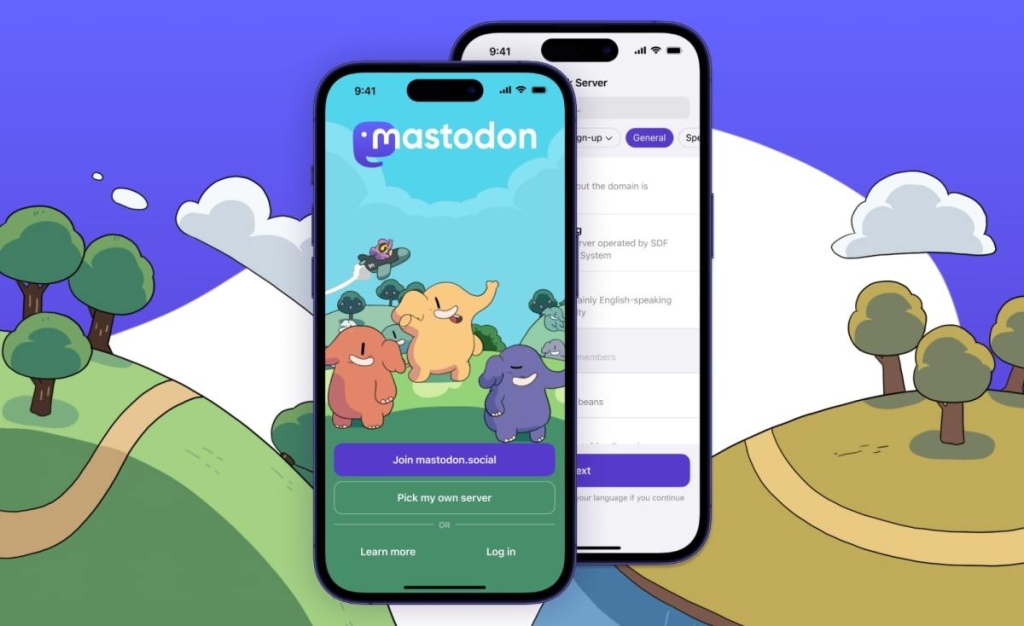
Mastodon’s Bold New Chapter: Simplifying Decentralization and Empowering Creators
In a strategic pivot aimed at broadening its appeal, Mastodon—the decentralized, open-source social network that surged into the spotlight during Twitter’s tumultuous transition under Elon Musk—has unveiled an ambitious roadmap to make the platform more accessible to newcomers while doubling down on its commitment to empowering creators. The announcement, detailed in a comprehensive blog post by technical director Renaud Chaput and product designer Imani Joy, signals a new era for the platform that has long been hailed as the ethical alternative to mainstream social media giants.
The Decentralization Dilemma: Making Mastodon Approachable
Mastodon’s core challenge has always been its complexity. Unlike conventional social networks where users simply sign up with an email and password, Mastodon requires new members to choose a server—a concept that often leaves newcomers bewildered. This additional step, while fundamental to the platform’s decentralized ethos, has been a significant barrier to entry.
The platform, part of the broader fediverse operating on the ActivityPub protocol, currently boasts between 750,000 and 1 million monthly active users, depending on the source. Mastodon’s own site estimates around 785,000 users, while third-party trackers vary in their assessments. Despite this dedicated user base, the platform has struggled to convert curious newcomers into long-term participants.
The new strategy directly addresses this pain point. Mastodon plans to overhaul its onboarding experience, making the server selection process more intuitive and less intimidating. The platform recognizes that the current approach—where new users often default to the largest servers—undermines the very essence of decentralization. As the blog post aptly notes, “Mastodon is best when communities are spread across many independent servers, each with its own character and focus.”
Empowering the Indie Server Operators
Recognizing that server administrators form the backbone of the Mastodon ecosystem, the platform is introducing a suite of tools designed to make server management more efficient and less burdensome. These enhancements include:
- External blocklist integration for streamlined moderation
- Content scanning capabilities to detect illegal content and spam automatically
- Media storage optimization through trusted third-party serving
- Enhanced administrative dashboards for better oversight
These improvements acknowledge the reality that many server operators are volunteers or small teams managing their communities out of passion rather than profit. By reducing the technical overhead, Mastodon hopes to encourage the growth of diverse, specialized communities across the fediverse.
Creator-Centric Features: The Next Frontier
Perhaps the most exciting aspect of Mastodon’s new direction is its focus on attracting and retaining content creators. The platform is introducing a redesigned user profile system that allows individuals to showcase their work more effectively. This isn’t just about vanity metrics—it’s about giving creators the tools they need to build meaningful connections with their audience.
The enhanced compose experience promises to make content creation more intuitive, while a new email notification feature represents a particularly clever innovation. This allows followers to stay updated on a creator’s posts even without having a Mastodon account, effectively bridging the gap between the decentralized platform and the broader internet.
This strategy makes particular sense given the current digital landscape. As creators increasingly seek alternatives to platforms controlled by tech billionaires, Mastodon’s commitment to user ownership and community governance becomes a compelling selling point. Journalists, public figures, and institutions looking for a more stable, less algorithmically manipulated environment may find Mastodon’s new features particularly attractive.
Building on Recent Innovations
Mastodon’s latest announcements build upon a series of recent feature rollouts that demonstrate the platform’s commitment to evolution while maintaining its core principles. The introduction of Quote Posts—similar to X’s feature but with enhanced user controls to prevent harassment—showed Mastodon’s willingness to adopt popular functionality while prioritizing user safety.
The upcoming Collections feature, Mastodon’s answer to Bluesky’s Starter Packs, represents another step toward making the platform more discoverable and user-friendly. By curating collections of accounts around specific themes or interests, Mastodon aims to help new users find their community quickly without getting lost in the decentralized wilderness.
Leadership Evolution and Organizational Restructuring
These strategic shifts come in the wake of significant leadership changes. Founder Eugen Rochko stepped down as CEO in November 2025 following Mastodon’s transition to nonprofit status earlier that year. Austria-based Felix Hlatky took over as executive director, with Dr. Marius Rothermund, a certified German lawyer, joining to provide legal expertise during the restructuring process.
This transition reflects Mastodon’s maturation from a passion project to a more structured organization. The platform is now navigating complex legal and operational challenges across three markets: the United States, Germany, and Belgium. The addition of legal expertise suggests Mastodon is preparing for potential regulatory challenges and scaling its operations responsibly.
The Broader Context: Decentralization’s Moment
Mastodon’s evolution must be understood within the broader context of growing disillusionment with centralized social media platforms. The fediverse represents a fundamental reimagining of how online communities can function—one where users have genuine ownership and control rather than being treated as products for advertisers.
However, decentralization alone isn’t enough to guarantee success. Platforms like Mastodon must balance their ideological commitments with practical usability. The challenge lies in maintaining the benefits of decentralization—resilience, user control, community autonomy—while removing the friction that has historically prevented mainstream adoption.
Looking Ahead: Challenges and Opportunities
Mastodon’s ambitious plans face several challenges. First, there’s the fundamental tension between decentralization and user experience. Can the platform maintain its commitment to a federated structure while making the experience seamless enough for mainstream users? Second, there’s the competition from other decentralized platforms like Bluesky and Nostr, each with their own approaches to solving similar problems.
Yet the opportunities are equally significant. As concerns about data privacy, content moderation, and platform control continue to grow, Mastodon’s timing may be perfect. The platform’s nonprofit structure and commitment to open-source principles provide a compelling alternative narrative to the venture-capital-driven models dominating the social media landscape.
The focus on creators could be particularly strategic. By providing tools that help individuals build and monetize their audiences without surrendering control to a corporate platform, Mastodon positions itself as the home for the next generation of digital content creators who value independence and community over algorithmic reach.
Conclusion: A Platform Coming of Age
Mastodon’s latest announcements represent more than just a feature update—they signal a platform coming into its own. By acknowledging its weaknesses while doubling down on its strengths, Mastodon is positioning itself for the next phase of growth in the decentralized social web.
The success of this strategy will depend on execution. Can Mastodon deliver on its promises of a simpler onboarding experience without sacrificing its decentralized principles? Can it attract enough creators to make the platform vibrant and engaging? And perhaps most importantly, can it maintain its ethical commitments while scaling to reach a broader audience?
These questions will be answered in the coming months as Mastodon rolls out its new features and continues to evolve. What’s clear is that the platform is no longer content to be merely an alternative—it’s positioning itself as a viable, perhaps even preferable, choice for users and creators alike who are ready for a different kind of social media experience.
As the digital landscape continues to shift beneath our feet, Mastodon’s journey offers a fascinating case study in how decentralization can work in practice, not just in theory. Whether it succeeds or fails, the lessons learned will shape the future of online community building for years to come.
Tags
Mastodon, decentralized social media, fediverse, ActivityPub, Elon Musk, Twitter alternative, open source social network, creator economy, server federation, content moderation, nonprofit social media, digital privacy, social media innovation, online community building, Mastodon onboarding, decentralized technology, social media competition, Mastodon features, fediverse growth, digital independence
Viral Phrases
“The ethical alternative to social media giants”
“Decentralization doesn’t have to mean complication”
“Creators taking back control from the algorithms”
“The fediverse is having its moment”
“Mastodon’s nonprofit revolution”
“Server selection made simple”
“Email notifications for the decentralized web”
“Quote posts with built-in protection”
“Collections that connect communities”
“From passion project to platform powerhouse”
“The end of being the product”
“Community governance in action”
“Open source means open possibilities”
“Digital sovereignty for everyone”
“The future of social media is decentralized”
,


Leave a Reply
Want to join the discussion?Feel free to contribute!