
Measles vaccinations rose 291% among New Mexico adults during outbreak
Measles Outbreak Sparks Vaccination Surge: Texas vs. New Mexico Reveals Critical Public Health Divide
In January 2025, a measles outbreak erupted on the western edge of Texas, rapidly evolving into the largest such outbreak in the United States since the disease was declared eliminated in 2000. The outbreak soon spread to New Mexico and other states, with Texas recording 762 cases before declaring the crisis over on August 18. New Mexico, meanwhile, saw a comparatively modest 99 cases before ending its outbreak on September 26. But the real story lies not in the raw numbers—it’s in what happened next.
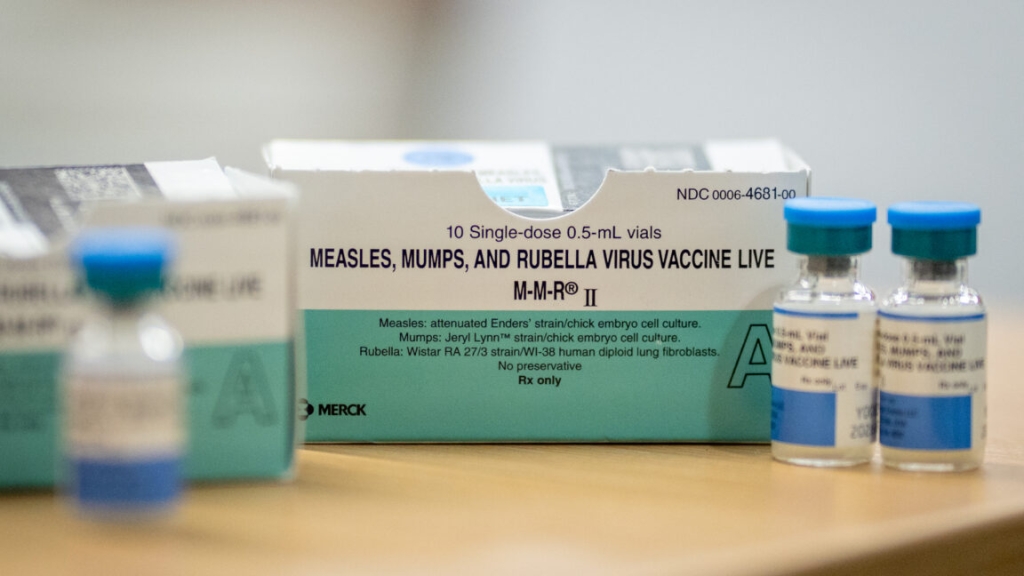
A groundbreaking new study published in the CDC’s Morbidity and Mortality Weekly Report reveals a striking divergence in public health responses between the two states. While Texas struggled to contain the virus, New Mexico experienced a dramatic surge in measles, mumps, and rubella (MMR) vaccinations—a response that experts say likely played a crucial role in limiting the outbreak’s severity.
From January to September 2025, MMR vaccinations in New Mexico increased by an astonishing 55% compared to the same period in 2024. When broken down by age group, the numbers become even more compelling: vaccinations among children under 18 increased by 18%, while adult vaccinations skyrocketed by an unprecedented 291%. In raw figures, that translates to 32,890 doses administered to children in 2025 compared to 27,988 in 2024, and a massive jump from 5,748 to 22,500 adult doses.
What makes this response particularly noteworthy is its timing and geographic distribution. Within just two weeks of the outbreak being declared, vaccination rates across all regions of New Mexico began exceeding those of the previous year. In some areas, the identification of a single measles case triggered week-over-week vaccination increases as high as 78% and 83%.
Public health officials point to several factors that may have contributed to this remarkable public health mobilization. New Mexico’s smaller population and more centralized healthcare system may have allowed for more coordinated messaging and distribution of vaccines. Additionally, the state’s experience—or lack thereof—with measles may have heightened public awareness and urgency. As one health official noted, “When people see the real-world consequences of a preventable disease, they’re more likely to take action.”
The contrast with Texas is stark. Despite having a larger population and more extensive healthcare infrastructure, Texas saw a more modest increase in vaccinations during the same period. This disparity raises important questions about public health communication, vaccine hesitancy, and the factors that motivate communities to protect themselves against infectious diseases.
Experts emphasize that the highly contagious nature of measles—which can remain airborne for up to two hours after an infected person leaves a room—makes rapid vaccination crucial in containing outbreaks. The virus’s ability to spread quickly through unvaccinated populations means that even small gaps in immunity can lead to large-scale outbreaks.
The New Mexico experience offers valuable lessons for future public health crises. It demonstrates that when communities understand the immediate threat of a disease and have access to preventive measures, they will often take decisive action to protect themselves and their families. This “crisis-driven vaccination” phenomenon, while not ideal from a public health planning perspective, can be an effective tool in outbreak response.
As the United States continues to grapple with pockets of vaccine hesitancy and declining vaccination rates in some communities, the New Mexico case study provides a compelling example of how public perception and behavior can shift dramatically in the face of real danger. It also underscores the importance of maintaining robust public health infrastructure and clear communication channels that can be activated quickly when outbreaks occur.
Looking ahead, public health officials are studying the New Mexico response to identify best practices that could be applied to future outbreaks of measles and other preventable diseases. The goal is to find ways to motivate vaccination and other preventive measures before crises reach the point of widespread transmission, potentially saving lives and preventing the significant economic and social disruption that outbreaks inevitably cause.
MeaslesOutbreak #PublicHealth #Vaccination #MMR #CDC #NewMexico #Texas #InfectiousDisease #VaccineHesitancy #Healthcare #Epidemiology #DiseasePrevention #MedicalResearch #HealthCrisis #CommunityHealth #OutbreakResponse #VaccineAwareness #HealthCommunication #PreventiveMedicine #PublicSafety
viral tags and phrases:
Measles outbreak 2025
Vaccination surge success story
New Mexico health miracle
Texas vs New Mexico public health
Crisis-driven vaccination phenomenon
MMR vaccine effectiveness
Contagious disease containment
Public health communication breakthrough
Vaccine hesitancy challenges
Healthcare system response times
Disease prevention strategies
Community immunity importance
Outbreak containment tactics
Medical emergency preparedness
Population health management
Infectious disease control
Vaccination rate increases
Healthcare access disparities
Public safety measures
Epidemiological success factors
,


Leave a Reply
Want to join the discussion?Feel free to contribute!